






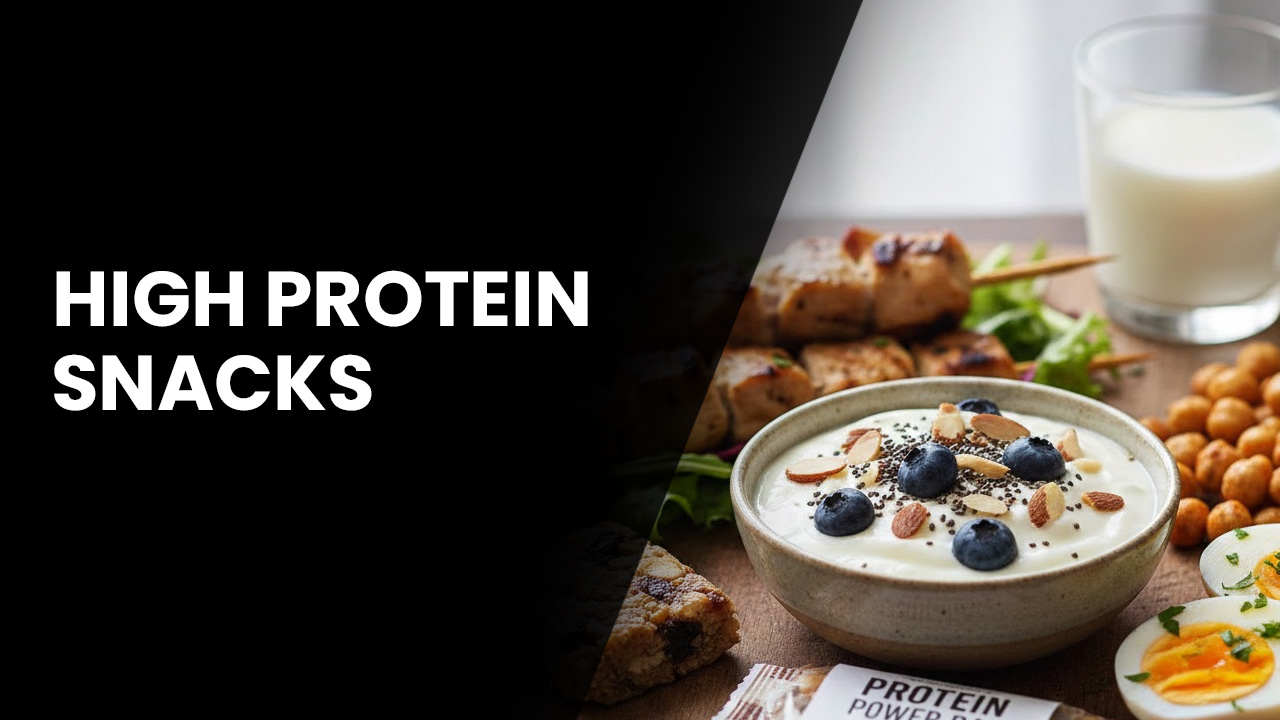
high protein snack ideas
They influence how evenly protein is distributed, how stable energy feels between meals, and how controlled appetite remains as the day moves forward.
When you choose smart snacks, they quietly reinforce everything else you eat.
Between meals, the body continues to rely on amino acids and stable fuel. A protein-centered snack fills that gap without adding unnecessary volume or heaviness. This keeps energy consistent and allows main meals to be eaten with intention rather than urgency.
High protein snacks act as nutritional anchors that support muscle maintenance, regulate appetite, and sustain performance while staying small enough to leave room for full meals later in the day.
Today, you’ll learn how to structure protein snacks, how much protein they should contain, and which options are ideal for different parts of the day. You’ll also see practical, repeatable ideas that fit real schedules without turning snacking into another task to manage.

RETHINK THE ROLE OF SNACKS
Snacks operate under a different set of rules than meals. Breakfast, lunch, and dinner carry the bulk of calories and structure for the day. Snacks exist to manage what happens in-between.
A high-protein snack is not a smaller version of a meal, and it’s not meant to make you feel totally full or stuffed.
By supplying protein-rich foods like Greek yogurt, cottage cheese, lean meats, or a simple protein shake, snacks provide a fixed protein boost that helps with appetite control and metabolic health while keeping food intake measured.
This allows perceived hunger to settle without flattening it to the point where the next meal loses its purpose.
When protein is missing, cravings set in and snacks tend to drift toward refined carbs or sweets pulled from the junk food aisle. Those choices often feel satisfying at first but do little to take care of blood sugar regulation, cognitive function, and overall protein goals.
Over time, that pattern compresses hunger and pushes food intake later in the day when portions become harder to regulate.
TIMING CHANGES THE FUNCTION
The time of day determines what a snack should do. A mid-morning option might emphasize digestive ease and focus, while a high-protein afternoon yogurt snack can stabilize energy and mood state heading into the second half of the day.
Pre-training snacks, on the other hand, benefit from fast-digesting protein like whey protein paired with modest carbohydrates to improve performance.
Also, protein quantity should scale with proximity to meals and training.
For example, a snack closer to lunch or dinner may land well with 20 grams of protein from protein yogurt, cheese sticks, canned tuna, or turkey and cheese roll-ups.
Longer gaps, higher activity levels, or training sessions benefit from slightly higher amounts of protein, using options like protein bars, beef jerky paired with cottage cheese, or a scoop of protein powder mixed with yogurt.
Intentional snacking also means keeping additions in check.
Nut butters, peanut butter, pumpkin seeds, chia seeds, or trail mix can complement a snack in small amounts, but protein should remain the focus. When fat-heavy add-ins dominate, gastrointestinal response slows and perceived fullness can overshoot the goal of simply bridging the gap.
The best high-protein snacks boost appetite-suppressing hormones, steady blood sugar, and consistent energy without pulling attention away from meals.
When timing and protein amount are aligned, snacks stop competing with your nutrition plan and start reinforcing it.
HOW MUCH PROTEIN SHOULD SNACKS CONTAIN?
Before deciding how much protein a snack should provide, it’s important to zoom out and look at the day as a whole.
In particular, you want to determine how much protein you’ll need by the end of the day.
Instead of asking how much protein each snack should contain, the better question is how much protein is needed between meals. That answer shifts based on timing, activity level, and proximity to the next full meal.
Daily protein needs are driven by bodyweight, training volume, and recovery demands, and snacks are meant to support that total rather than compete with meals.
For most active individuals, daily protein intake generally falls somewhere between 0.7 and 1.0 grams of protein per pound of bodyweight per day.
Breakfast, lunch, and dinner usually handle most of that intake. Snacks reinforce the structure by filling gaps when meals are spaced farther apart or when training places extra demands on recovery.
For example, a 170-pound individual targeting roughly 130 to 150 grams of protein per day may get most of their intake from three meals, then use one or two protein snacks to close the remaining gap. In that case, a snack providing 20 to 30 grams of protein will be enough to keep intake on track without affecting appetite for the next meal.
TYPICAL PROTEIN RANGES FOR SNACKS
In most cases, high-protein snacks land in a moderate range of about 20 to 35 grams of protein.
Snacks closer to a meal or used primarily to stabilize appetite tend to work well at the lower end of that range. Longer gaps between meals, higher training volume, or days when meals are less predictable often benefit from the higher end.
As another example, if lunch and dinner are separated by five or six hours, a 30-to-35-gram protein snack in the afternoon can stabilize hunger and prevent overeating later. If meals are closer together, a snack with 20 grams of protein will be enough to bridge the gap without dulling appetite.
HOW TRAINING AFFECTS PROTEIN NEEDS
Training changes the role of a snack. Snacks placed before or after workouts serve a different purpose than passive, between-meal options.
Around training, protein intake becomes more focused on maintaining amino acid availability and supporting recovery, which can justify slightly higher protein amounts compared to a standard mid-day snack.
But what matters most is distribution.
Snacks help spread protein intake more evenly across the day so that meals don’t have to overcompensate later.
When protein is spaced well, appetite stays steadier, recovery is better supported, and food decisions become easier overall.
But are snacks a requirement each and every day?
No, there’s no hard rule for eating snacks at the same time every day. Maybe it’s a rest and recovery day. Maybe you’re fasting. In cases like this, there will be days when protein snacks just aren’t necessary.
Short gaps between meals or protein-dense main meals can make snacks optional. That flexibility is part of the system and allows the structure to adapt to real-life schedules without forcing extra food.
HOW TO BUILD A HIGH-PROTEIN SNACK
It’s easy to hear “snack,” and immediately give yourself the green light to reach for chips, cookies, and sugar-loaded junk.
But snacks need to be designed with restraint.
Unlike full meals, a snack has a small window to do its job, which means clarity matters more than creativity.
The most effective protein snacks are built deliberately and kept small enough to optimize the next meal instead of interfering with it.
For example, you wouldn’t want to eat such a huge snack that it forces you to delay or skip the next meal. That defeats the point.
A simple structure makes this easy to repeat. When a snack is built around protein first and everything else is scaled to promote that choice, it becomes reliable rather than reactive.
Instead of treating snacks like miniature meals, use a scaled-down framework:
- Protein sets the ceiling for the snack
- Portion size stays controlled
- Carbohydrates are added only when activity or recovery call for them
- Fat remains naturally present without taking the lead
Most high-protein snacks land between 20 and 35 grams of protein. That range is large enough to stabilize appetite and energy while remaining light enough to digest quickly.
Here’s a breakdown of how to choose (and make) your high protein snacks throughout the day:
PROTEIN (~60–70%)
Between meals, the body continues to draw on amino acids to back up muscle tissue, regulate appetite, and maintain energy. A protein-centered snack keeps that process moving without asking the next meal to compensate.
The advantage here is efficiency.
Protein snacks don’t need to be cooked, plated, or reinvented. They perform better when they’re simple grocery-store items you can grab, portion, and eat without slowing the day down.
Unlike meals, snacks stay small by design.
For most people, about 60–70% of a snack’s calories should come from protein. That ratio keeps the snack compact, digestible, and effective at stabilizing appetite without dulling hunger for the next meal.
When protein is obvious, everything else becomes optional.
You’re no longer wandering the snack aisle or relying on whatever is most convenient. You’re choosing from a short list of items that reliably deliver protein and move you forward.
Here are dependable, easy-to-find protein options that work especially well for snacks:
ANIMAL-BASED & DAIRY OPTIONS
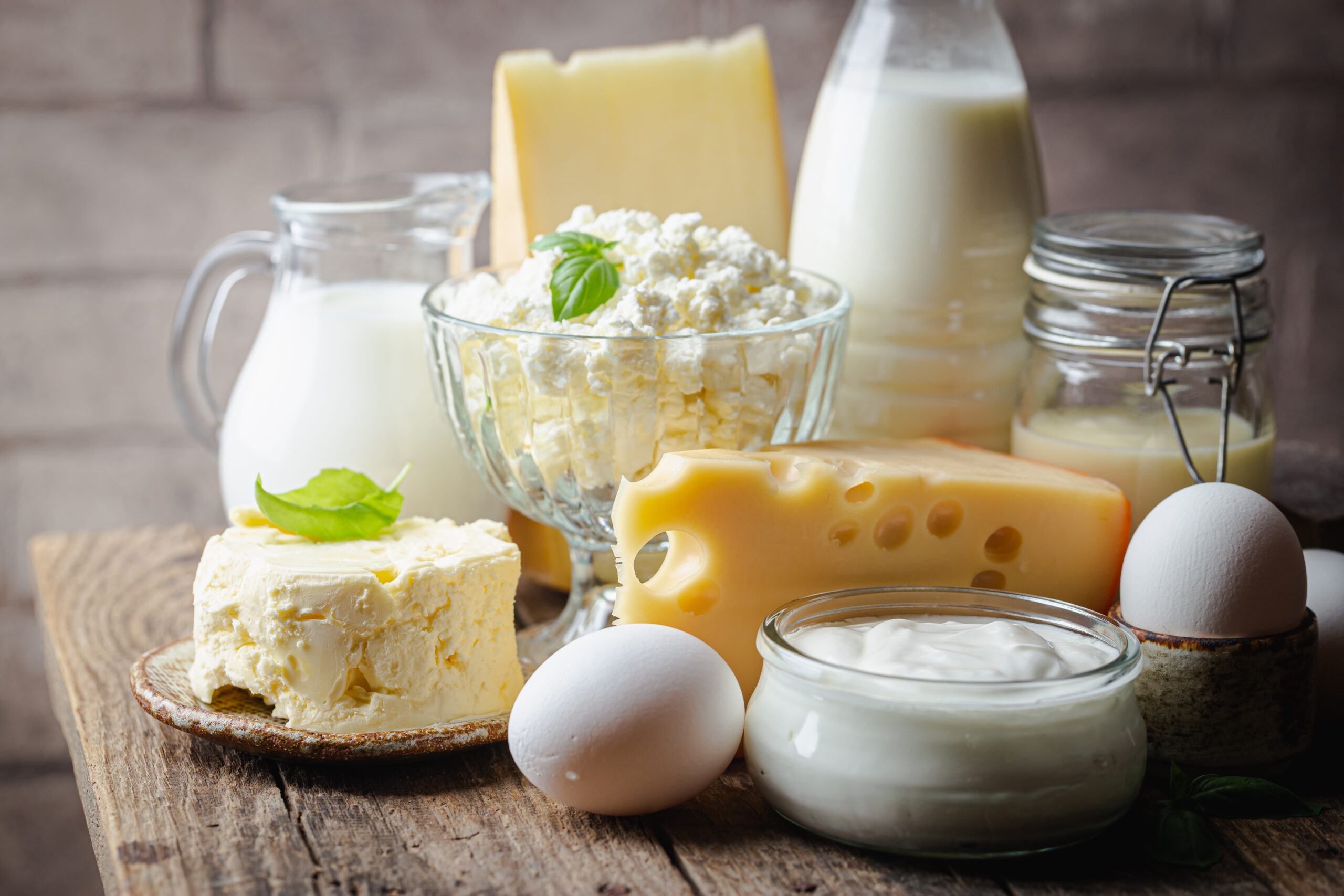
- Greek yogurt (plain or lightly sweetened)
- Protein yogurt or high-protein yogurt cups
- Cottage cheese (single-serve or portioned containers)
- Ricotta cheese (for savory or lightly sweet snacks)
- Cheese sticks or cheese bites
- Canned tuna or salmon packets
- Lean deli meats or turkey roll-ups
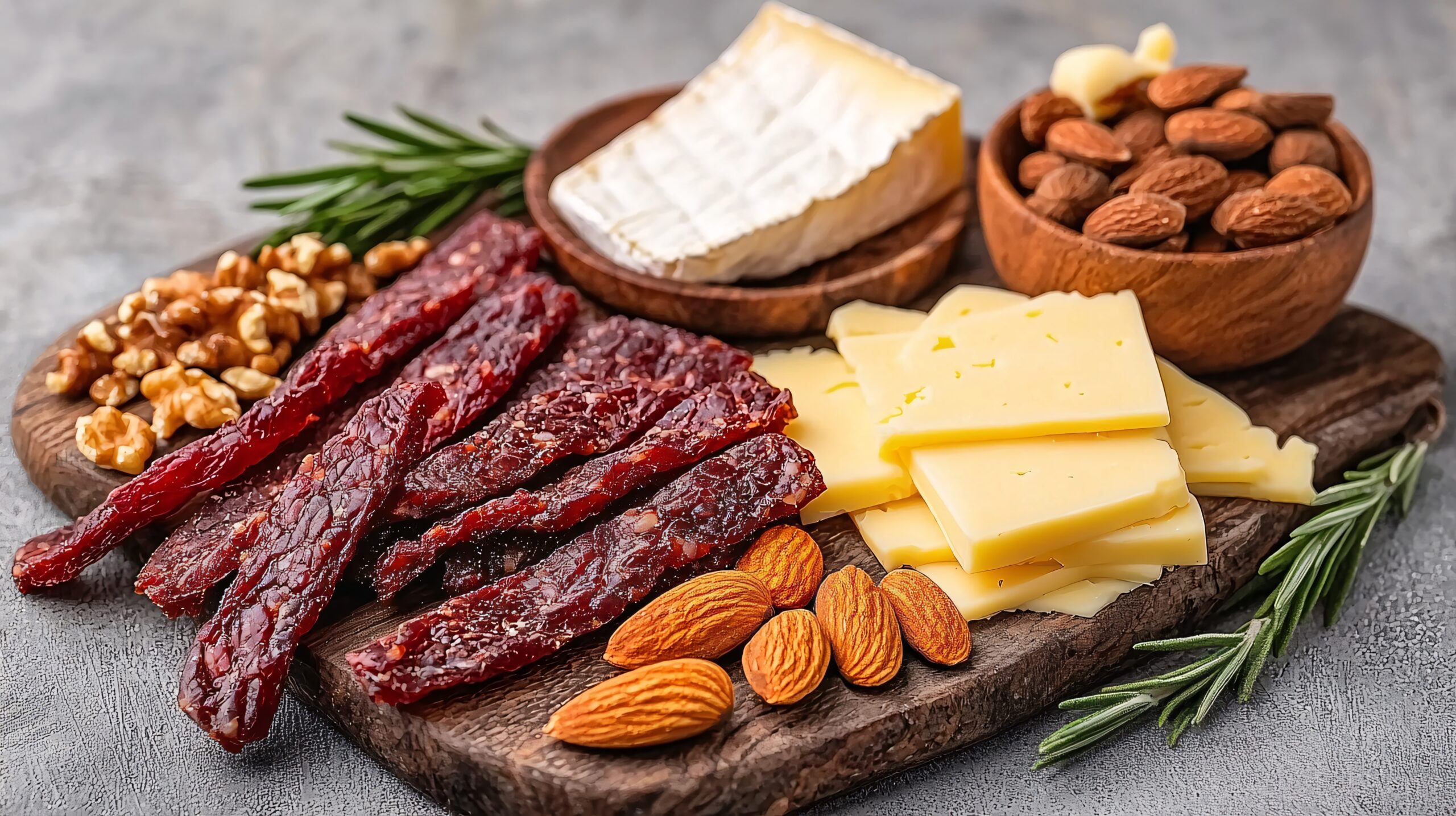
- Beef jerky or meat sticks with controlled sodium levels
- Ready-to-drink protein shakes
- Whey protein or blended protein powder
PLANT-BASED PROTEIN OPTIONS
- Roasted chickpeas
- Black beans or black bean dip
- Quinoa bites or puffed quinoa snacks
- Nutritional yeast (used with legumes or vegetables)
- High-protein snack bars made with minimal added fats
- Trail mix energy balls built around legumes or seeds
- Mediterranean-inspired snacks featuring beans and herbs
- Cottage cheese–alternative plant-based protein cups
CARBOHYDRATES (~20–30%)
Unlike protein, carbohydrates aren’t required with every snack. When they’re used well, they take care of output and recovery. When they’re added without a reason, they tend to turn snacks into calorie-heavy fillers that crowd the next meal.
The advantage here is selectivity.
A carbohydrate-inclusive snack works best when it solves a specific problem: fueling training, bridging a long gap between meals, or balance a high-output day. In those situations, a modest amount of carbohydrate paired with protein keeps energy high and digestion predictable.
When energy demands are lower or a full meal is close, protein alone often does the job. Keeping carbohydrates optional preserves appetite and prevents snacks from becoming more than they need to be.
Carbohydrates tend to move you forward before training sessions where output matters, during long stretches between meals, and on days with high overall movement or physical demand.
In these cases, carbohydrates pair with protein to provide usable fuel without overwhelming digestion.
Reliable, easy-to-portion carbohydrate options include:
- Fruit (bananas, berries, apples, grapes)
- Oats or oatmeal bars with controlled portions
- Rice cakes or crispbreads
- Puffed quinoa snacks
- Quinoa bites or simple grain-based snacks
- Low-sugar energy bar recipes with visible ingredients
FATS (~5–20%)
Fat has a place in snacking, but that place is narrow. Small amounts add flavor, improve satisfaction, and make protein-focused snacks easier to stick with.
The advantage here is restraint.
Because fat slows digestion and increases satiety, a little goes a long way. In snacks, that effect works best when fat enhances texture or taste rather than driving the calorie load.
However, when fat becomes the primary foundation, snacks start behaving like meals and interfere with appetite for what comes next.
For most high-protein snacks, about 5 to 20% of calories coming from fat is enough to add satisfaction while keeping digestion efficient.
Examples of fat sources include:
- Nut butters used in measured amounts
- A few nuts or seeds added to yogurt or cottage cheese
- Natural fat from dairy-based snacks
- Olive oil used lightly in savory snack jars
- Small portions of seeds mixed into protein-forward snacks
HIGH PROTEIN SNACKS: COMMON MISTAKES
High-protein snacking usually breaks down for logistical reasons, not nutritional ones.
Most people understand that protein matters. What gets in the way is how snacks interact with real-world constraints like time, access, attention, and appetite.
Each of the mistakes below quietly undermines snack quality in a different way.
DEPENDING ON AVAILABILITY YOU DON’T CONTROL
Snacks are often chosen in response to rising hunger rather than planned in advance. When that happens, the environment dictates the outcome.
If protein-rich foods aren’t immediately accessible, the choice shifts toward whatever is fastest and most visible.
This is why snack quality collapses in places like offices, cars, airports, and gyms.
Hunger compresses decision time, and protein-poor options win by default. High-protein snacks need to be placed where decisions occur, not stored somewhere that requires extra steps to access.
Controlling availability removes negotiation from the moment hunger appears. Protein becomes the default instead of the alternative.
OVERCOMPLICATING THE SNACK
Snacks lose effectiveness when they demand planning at the moment they’re needed. Multiple ingredients, preparation steps, or cleanup requirements create resistance that pushes people toward simpler (but lower protein) options.
A snack should require less effort than a meal.
When it starts resembling a mini recipe, it competes with both time and attention. That competition almost always favors convenience over structure.
The best protein snacks are either pre-portioned or ready to eat. When effort stays low, execution stays consistent.
LETTING CALORIE DENSITY OUTRUN PROTEIN
Many snacks look reasonable on the surface but deliver calories far faster than protein. Fats and mixed macronutrient snacks can add significant energy while contributing little toward protein goals.
This creates a subtle problem: appetite dulls temporarily, but protein intake doesn’t move meaningfully.
The result is reduced hunger without adequate nutritional reinforcement, which often disrupts the next meal.
Effective protein snacks maintain a clear ratio: protein makes up the majority of calories. When that balance shifts, snacks can mess up the day’s structure.
CHOOSING CONVENIENCE OVER COMPOSITION
The snack aisle is engineered for shelf life and palatability, not protein distribution. Many packaged options rely heavily on fats and refined carbohydrates, with protein added in smaller amounts for marketing appeal.
This leads to snacks that appear functional but behave more like treats from a nutritional standpoint. The gap between label perception and actual composition widens quickly when protein isn’t dominant.
Protein snacks keep you on track when composition is obvious at a glance. If protein isn’t clearly identifiable as the core ingredient, the snack likely misses the mark.
USING SNACKS TO FIX UNDER-EATING AT MEALS
Snacks are not designed to repair poorly structured meals. When breakfast, lunch, or dinner falls short on protein, snacks often increase in size and frequency in an attempt to catch up.
That pattern shifts too much intake into inefficient windows and makes hunger harder to predict. Instead of reinforcing meals, snacks begin competing with them.
When meals handle most protein needs, snacks stay smaller and more precise. Their role becomes helpful rather than corrective.
SNACKING FOR DISTRACTION INSTEAD OF NEED
Not all snacking is driven by physiological demand. Some snacks serve as stimulation during work, scrolling, or downtime. In these moments, flavor and texture drive selection, not protein content.
This type of snacking increases intake without improving energy, focus, or recovery. Over time, it blurs the boundary between eating for function and eating for engagement.
Protein-forward snacks keep things predictable when tied to actual need like bridging gaps between meals or supporting training demands.
HIGH-PROTEIN SNACKS: NO-COOK OPTIONS
No-cook protein snacks exist for one specific purpose: they need to work when time is tight and hunger shows up without warning.
These are the moments between meetings, during travel, or in the middle of a busy afternoon when stopping to prepare food isn’t realistic.
In those situations, snacks succeed or fail based on accessibility. If protein requires preparation, it gets skipped. If it’s visible, portioned, and easy to grab, it gets eaten. That’s the standard these options meet.
Everything in this category can be eaten straight from the container or package with no setup, no cooking, and no cleanup.
REFRIGERATED, GRAB-AND-GO OPTIONS
These snacks come straight from the dairy section or refrigerator and are ready to eat as-is.
Single-Serve Cottage Cheese Cups: Plain or lightly salted options. Protein density is high and digestion remains steady between meals.
Greek Yogurt Cups or Protein Yogurt: Choose low-sugar varieties where protein clearly outweighs carbohydrates. These provide a reliable protein boost without turning into a sweet snack.
Cheese Sticks or Cheese Bites: Individually wrapped portions make these easy to transport and portion. Don’t pair them with crackers or bread.
High-Protein Refrigerated Dairy Snacks: Yogurt- or pudding-style options labeled for protein content fit well here when sugar stays low and portion sizes remain reasonable.
Frozen Yogurt Bites: Pre-portioned, easy to grab, and useful when appetite is lower, but you still need that extra protein.
Lean Meat & Cheese Roll-Up Packs: Pre-portioned lean meats paired with cheese make protein obvious at a glance, require no assembly, and provide a more satisfying, savory option that fits cleanly between meals when appetite is higher.
Egg White Snack Cups: Liquid egg white snack cups or pre-cooked egg white bites found in refrigerated sections provide high protein with minimal fat and digest smoothly between meals.
Smoked Salmon Snack Packs: Single serve smoked salmon portions offer high protein density with minimal volume.
SHELF-STABLE PROTEIN SNACKS
Shelf-stable snacks remove refrigeration from the equation and work well for bags, desks, or travel days.
High Protein Bars: Best used when protein content leads the label and sweetness stays secondary. These function as snacks, not desserts.
Beef Jerky or Other Lean Meat Snacks: Protein-dense, portable, and effective for controlling hunger without large volume.
Canned Tuna or Salmon Packets: Simple, high-protein options that require no preparation and pair easily with veggies, crackers, or nothing at all.
Ready-to-Drink Protein Shakes: These work best when protein is the dominant ingredient and added sugars are minimal.
Protein Crisps or Protein Chips (Limited Use): Some protein-based crisp products can function as snacks when protein clearly outweighs fat and starch and serving sizes stay reasonable.
HIGH-PROTEIN SNACKS: PREP-AHEAD OPTIONS
A small amount of preparation upfront turns multiple future decisions into a single one.
Once these snacks are made and stored, execution becomes automatic. You’re no longer choosing what to eat when hunger shows up. You’re simply using what’s already available.
This approach works especially well for workdays, training weeks, or periods when consistency matters more than variety.
SAVORY COTTAGE CHEESE SNACK JARS
- ¾–1 cup cottage cheese
- ¼ cup chopped cucumber or bell pepper
- Fresh herbs or cracked pepper
Directions:
- Combine ingredients in individual jars.
- Seal and refrigerate for up to 4–5 days.
GREEK YOGURT PARFAITS
- ¾ cup plain Greek yogurt
- ¼ cup berries
- 1–2 tbsp oats or seeds
Directions:
- Layer ingredients into containers.
- Store refrigerated and grab as needed.
PEANUT BUTTER–OAT ENERGY CUPS
- ½ cup natural peanut butter
- ½ cup rolled oats
- 2 scoops protein powder
- 1–2 tbsp honey (optional)
Directions:
- Mix until thick.
- Press into silicone molds or mini muffin tray.
- Refrigerate until firm.
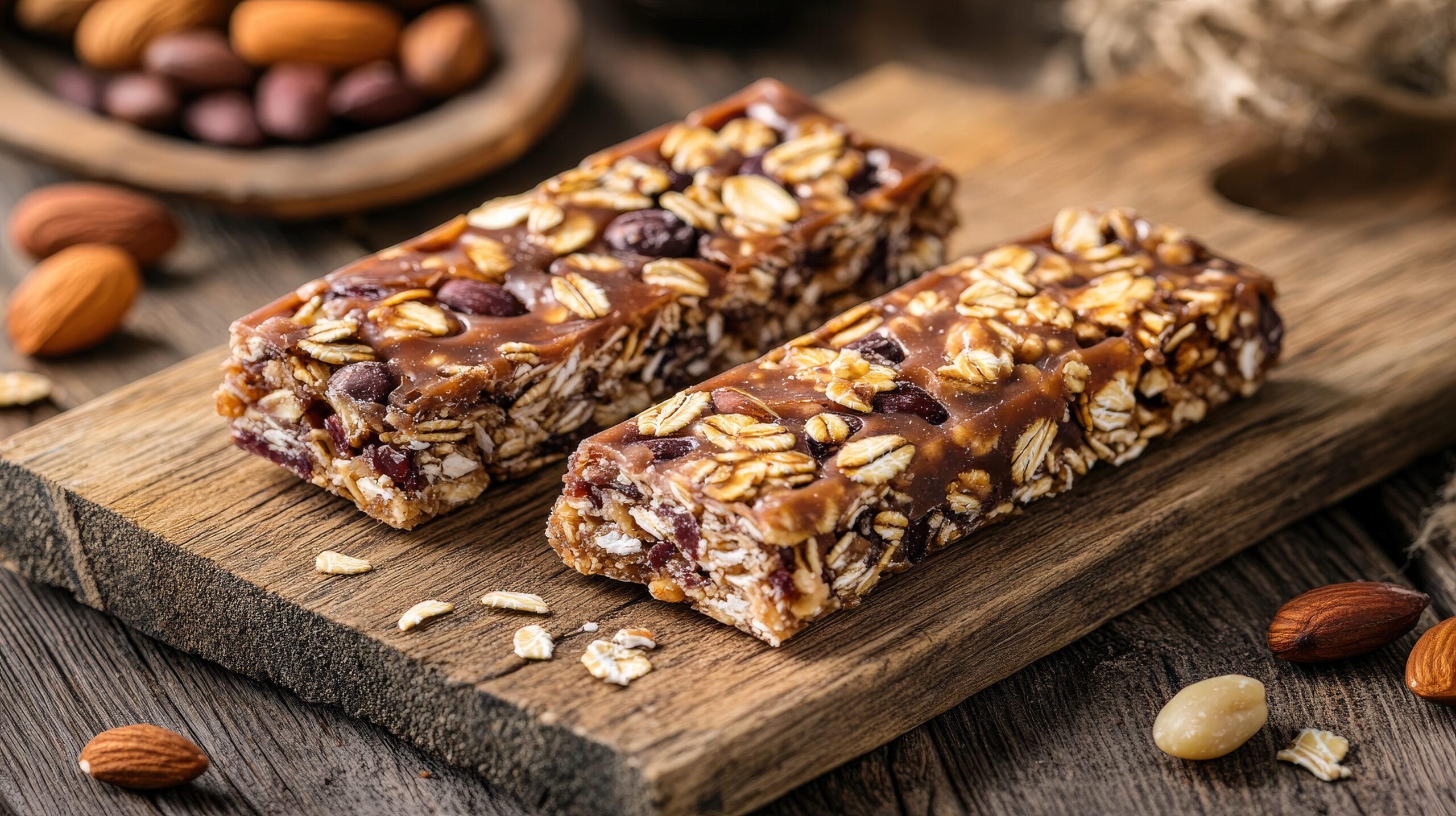
HOMEMADE HIGH-PROTEIN SNACK BARS
- 1½ cups oats
- 2 scoops protein powder
- ½ cup nut or seed butter
- ¼ cup milk or yogurt
Directions:
- Mix ingredients into a dense dough.
- Press into a lined pan.
- Refrigerate and slice into portions.
CRISPY PROTEIN PEANUT BARS
- ½ cup peanut butter
- 2 scoops protein powder
- ¼ cup melted dark chocolate
Directions:
- Mix peanut butter and protein powder.
- Press into a pan, and top lightly with chocolate.
- Chill and slice.
SWEET & SALTY CARAMEL PEANUT CRISP
- 1 cup roasted peanuts
- 1 scoop protein powder
- 1–2 tbsp caramel-style sweetener
Directions:
- Combine ingredients.
- Press into small clusters.
- Refrigerate until set.
PROTEIN-FOCUSED OATMEAL BARS
- 1½ cups oats
- 2 scoops protein powder
- ¾ cup milk or yogurt
Directions:
- Mix ingredients into batter.
- Bake at 350°F (175°C) for ~20 minutes.
- Cool fully before cutting.
HIGH-PROTEIN FROZEN YOGURT BITES
- 1½ cups Greek yogurt
- 1 scoop protein powder
Directions:
- Mix thoroughly.
- Spoon into molds.
- Freeze until solid.
HIGH-PROTEIN SNACKS: TRAINING-SUPPORTING OPTIONS
Training-supporting snacks aren’t chosen based on convenience alone.
They’re placed deliberately around workouts to drive performance, recovery, and appetite control without turning into replacement meals.
The common thread is timing.
Protein intake here is aligned with training demands, digestion speed is considered, and portion size stays tight, so the next full meal still does its job.
Let’s start this list with pre-training protein snacks.
Pre-training snacks are meant to strengthen output without weighing you down. Protein defines the snack, carbohydrates stay modest, and fat remains minimal, so digestion doesn’t slow performance.
WHEY CONCENTRATE BLEND SHAKE
- 1 scoop whey concentrate / whey concentrate blend protein (20–25g protein)
- 8–10 oz cold water or low-fat milk
- Optional: ½ small banana or ¼ cup berries
Directions:
- Add liquid to a shaker or blender.
- Add whey concentrate and optional fruit.
- Shake or blend until smooth.
GREEK YOGURT WITH LIGHT ADDITIONS
- ¾ cup plain Greek yogurt
- Optional: ¼ cup berries or a drizzle of honey
Directions:
- Eat directly from the container or portion ahead.
- Keep carbohydrates minimal.
SAVORY RICOTTA CUP
- ¾ cup ricotta cheese
- Pinch of everything bagel seasoning or herbs
Directions:
- Mix seasoning into ricotta.
- Eat chilled before training for a protein-forward option without sweetness.
PEANUT BUTTER YOGURT CUP
- ¾ cup high-protein yogurt
- 1 tablespoon peanut butter
Directions:
- Stir peanut butter into yogurt.
- Keep the serving modest to prevent sluggish digestion.
Now, we move to post-training protein snacks.
After training, the priority shifts to replenishing amino acids quickly without overwhelming appetite or digestion.
WHEY ISOLATE / WHEY HYDROLYSATE SHAKE
- 1 scoop whey isolate / whey hydrolysate protein (25–30g protein)
- 10–12 oz cold water
- Optional: pinch of salt or electrolyte powder
Directions:
- Add water to a shaker bottle.
- Add whey isolate and shake vigorously.
- Drink immediately post-workout.
POST-WORKOUT EAA CITRUS MIX
- 1 serving essential amino acid powder
- 12–16 oz cold water
- Squeeze of fresh lemon or lime
- Optional: ice
Directions:
- Add water to a shaker or bottle.
- Mix in EAA powder and citrus juice.
- Shake well and drink immediately after training.
LIQUID EGG WHITE PROTEIN SHOT
- 1 cup pasteurized liquid egg whites
- 4–6 oz orange juice
- Pinch of salt
Directions:
- Pour the egg whites and orange juice into a shaker or glass.
- Add a pinch of salt and mix well.
- Drink chilled immediately post-workout.
LEAN TURKEY POST-TRAINING PROTEIN PLATE
- 4–5 oz lean deli turkey or chicken breast
- Optional: mustard or vinegar (very small amount)
Directions:
- Eat meat slices plain or lightly dipped in mustard.
- Consume immediately after training without pairing with starch or fat.
TUNA RECOVERY CUP
- 1 pouch or can tuna in water, fully drained
- Pinch of salt or lemon juice
Directions:
- Drain tuna completely.
- Season lightly and eat directly from the container.
HIGH-PROTEIN SNACK IDEAS: PLANT-BASED
Plant-based snacks give you the most payoff when protein is chosen first, portions are intentional, and flavors are enjoyable.
These protein snacks preserve digestive health, steady intake, and cognitive flexibility without leaning on dairy or meat.
ROASTED CHICKPEAS WITH NUTRITIONAL YEAST
- 1½ cups cooked or canned chickpeas, drained and dried
- 1 tbsp olive oil
- 2 tbsp nutritional yeast
- Salt and smoked paprika
Directions:
- Toss chickpeas with oil, seasoning, and nutritional yeast.
- Roast at 400°F (205°C) for 25–30 minutes, stirring once.
- Cool completely and store in an airtight container.
BLACK BEAN PROTEIN DIP
- 1½ cups black beans, rinsed and drained
- 2 tbsp olive oil
- 1 tbsp lemon juice
- Garlic powder, cumin, salt
Directions:
- Blend all ingredients until smooth.
- Store refrigerated for up to 4 days.
- Use with protein-supporting pairings rather than high-fat crackers.
QUINOA PROTEIN BITES
- 1 cup cooked quinoa
- ½ cup plant-based protein powder
- ¼ cup nut or seed butter
- Water as needed
Directions:
- Mix all ingredients into a dense dough.
- Roll into small bite-sized portions.
- Refrigerate until firm.
PUFFED QUINOA PROTEIN CLUSTERS
- 1 cup puffed quinoa
- ½ cup plant protein powder
- 2 tbsp nut butter
- 1–2 tbsp maple syrup (optional)
Directions:
- Mix ingredients until lightly coated.
- Press into small clusters.
- Chill until set and store refrigerated.
PLANT-BASED HIGH-PROTEIN YOGURT CUPS
- 1 cup high-protein plant-based yogurt
- 1–2 tbsp seeds (chia or pumpkin)
Directions:
- Stir seeds into yogurt.
- Portion into containers and refrigerate.
- Keep additions minimal to maintain a low calorie, protein-forward snack.
SAVORY CAULIFLOWER RICE SNACK CUPS
- 1½ cups cauliflower rice
- ½ cup cooked lentils or black beans
- Salt, garlic powder, herbs
Directions:
- Sauté cauliflower rice until tender.
- Mix in lentils and seasonings.
- Portion into small containers and refrigerate for grab-and-go use.
MY TOP 10 PROTEIN SNACK RULES
Protein snacks make the most sense when they follow principles instead of impulses.
These rules aren’t about restriction. They’re about making snacks predictable, functional, and supportive of a high-protein diet without letting them quietly derail intake or energy.
When snacks follow structure, they stop competing with meals and start reinforcing them.
1. SNACKS SUPPORT, THEY DON’T REPLACE
A snack exists to bridge time, not to stand in as a substitute for a full meal.
When snacks become too large or frequent, they disrupt meal timing and push daily intake out of alignment.
Proper protein snacks make the next meal easier to manage, not unnecessary.
2. PROTEIN IS VISIBLE AND OBVIOUS
You should be able to identify the protein source immediately. If protein is hidden behind coatings, sweetness, or packaging, the snack is usually built around fillers.
Clear protein sources make intake reliable and remove guesswork.
3. PORTION SIZE IS INTENTIONAL
Snacks succeed when portions are decided before hunger sets in.
Without boundaries, energy dense snacks tend to grow in size, especially those paired with refined carbs like high-fat crackers or sweet coatings.
Pre-portioned snacks are useful because they are predictable.
4. SNACKS REDUCE URGENCY, NOT APPETITE
A good snack lowers the intensity of hunger without wiping it out. The goal is steadiness, not fullness.
Protein snacks should ensure that your appetite feels steady, timing stays controlled, and meals remain satisfying rather than reactive.
5. BE MINDFUL WITH LIQUID SNACKS
Liquids digest quickly, which makes them useful but also easy to overdo.
Protein shakes deliver the strongest return when protein content is clearly defined and extras are limited.
Structure turns liquid calories into a tool instead of background intake that quietly accumulates.
6. PREPARATION IMPROVES CONSISTENCY
Snacks that require decisions rarely happen consistently. When protein snacks are already prepared, portioned, and accessible, they bypass friction entirely.
This shift moves snacks from “something to think about” to something that simply happens.
7. TRAINING TIMING CHANGES SNACK NEEDS
A snack timed near training serves a different role than one eaten during a sedentary window.
Around workouts, protein supports recovery and amino acid availability. Away from training, protein supports appetite control.
Timing determines function, not just quantity.
8. SNACKS SHOULD BE FORGETTABLE
Highly marketed snack foods are designed to stimulate attention, not support intake.
Options promoted heavily by food and fitness influencers on social media such as novelty snacks like crispy chocolate peanut butter bars or high-fat chocolate often introduce more excitement than structure.
The most effective snacks do their job quietly.
9. FLEXIBILITY BEATS PERFECTION
Daily schedules shift, appetite fluctuates, and access changes. A rigid snack rule set breaks easily.
Flexible protein snacks adapt to real life while still keeping intake aligned with goals and the recommended daily allowance.
10. CONSISTENCY DRIVES RESULTS
Progress comes from repetition, not optimization. When protein snacks consistently support meals, training, and recovery, they compound over time.
Simple snacks repeatedly outperform complex strategies used inconsistently.
Protein snacks shape the space between meals where consistency is either reinforced or lost.
When those gaps are handled with clear portions, fast-digesting protein, and deliberate timing, daily intake stays organized and training demands are supported without friction.
Over time, these small decisions accumulate into steadier energy, cleaner recovery, and a system that holds together even on busy days.
Check out our complete line of ATHLEAN-RX Supplements and find the best training program for you based on your fitness level and goals.

- Snacks are structural tools, not filler calories. Their job is to steady energy, protect protein distribution, and keep meals on track.
- Protein should lead every snack. If it isn’t obvious at a glance, the snack usually contributes more calories than value.
- Most effective protein snacks land in the range of 20 to 35 grams, scaling up or down based on timing, bodyweight, and training demands.
- No-cook snacks succeed because access matters more than variety. If protein is easy to grab, it gets used.
- Prep-ahead snacks turn one short planning session into multiple days of consistent execution.
- Training changes the rules. Pre- and post-workout snacks prioritize digestion speed and recovery, not fullness.
- Fast-digesting proteins outperform slow, fat-heavy options immediately after training.
- Make sure your plant-based snacks have enough protein to support your daily intake.
- Portion control keeps snacks supportive instead of competitive with meals.
- The best snacks fade into the background, quietly reinforcing consistency without demanding attention.
HIGH PROTEIN SNACKS FAQ
The snacks with the highest protein density are built around foods that deliver a large protein dose with very little fat or carbohydrate attached.
In practice, these snacks are simple, unambiguous, and usually centered on one primary ingredient.
Actionable, high-protein examples include:
Whey Isolate Mixed with Water: One scoop typically delivers 25 to 30 grams of protein with minimal calories and fast digestion. This is one of the most efficient options available.
Liquid Egg Whites (pasteurized): One cup provides roughly 25 to 26g of protein with almost no fat, making it a high-protein whole-food option.
Canned Tuna in Water (drained): A single standard can or pouch supplies 25 to 30 grams of protein in a compact format.
Lean Deli Turkey or Chicken Breast: About 5 to 6 ounces delivers over 30 grams of protein, especially when eaten plain or lightly seasoned.
Whey Hydrolysate or EAA Drinks: These don’t just rank high in protein delivery, they also minimize digestion time, which is useful when speed matters.
Avoid pairing these options with crackers, sauces, or fats that reduce protein density and slow digestion.
A snack delivering around 30 grams of protein is most useful when the gap between meals is long, training volume is higher, or the next meal timing is uncertain.
This intake works well mid-afternoon, between meetings, or on days when lunch or dinner may be delayed.
At this level, protein meaningfully supports muscle maintenance and appetite regulation without creating the fullness or digestive drag of a full meal.
A good 30-gram protein snack shares a few traits.
Protein should clearly outweigh carbohydrates and fat, so the snack stays efficient and easy to digest. Volume should remain reasonable, and the food should stand on its own without needing added sides to “make it work.”
Snack options that provide ~30g of protein:
Whey or Whey Isolate Shake- Protein: ~25–30g
- Serving: 1¼–1½ cups
- Protein: ~28–32g
- Serving: 1 standard can or pouch (5–6 oz drained)
- Protein: ~30–35g
- Serving: 5–6 oz
- Protein: ~30–34g
- Serving: ¾ cup high-protein Greek yogurt + ½ scoop protein powder
- Protein: ~30–35g
- Serving: 1¼ cups
- Protein: ~30g
Each of these options keeps protein density high, portions clear, and execution straightforward.
When snacks consistently reach this range, protein intake stays evenly distributed across the day instead of being pushed into one large meal later on.
Jeff Cavaliere M.S.P.T, CSCS
Jeff Cavaliere is a Physical Therapist, Strength Coach and creator of the ATHLEAN-X Training Programs and ATHLEAN-Rx Supplements. He has a Masters in Physical Therapy (MSPT) and has worked as Head Physical Therapist for the New York Mets, as well as training many elite professional athletes in Major League Baseball, NFL, MMA and professional wrestling. His programs produce “next level” achievements in muscle size, strength and performance for professional athletes and anyone looking to build a muscular athletic physique.