





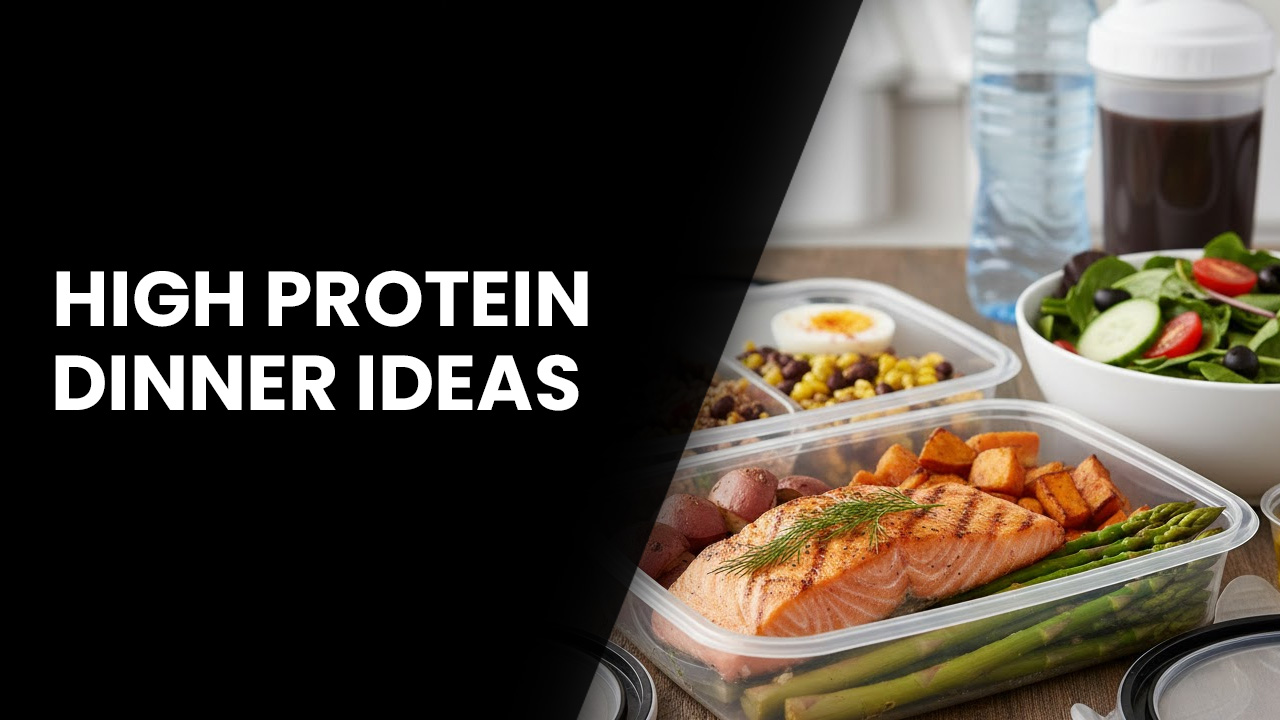
high protein dinners
You walk in from a long day. You’re tired, hungry, and short on patience. Whatever happens next usually has less to do with nutrition and more to do with convenience.
That’s how dinners turn into oversized portions, protein-light meals, or decisions you regret before the plate is even finished. Sound familiar?
Guys, dinner doesn’t require Gordon Ramsay-level cooking skills, complicated recipes, or time you don’t have. All you need is a system you can execute even when motivation is low.
Today, I’ll show you how to build high-protein dinners that support recovery, avoid muscle loss, and make consistency simple without turning the end of your day into another problem to solve.
CHANGE YOUR MINDSET ABOUT DINNER
Before getting into high protein dinner ideas, the most important shift has nothing to do with food. It has to do with how you approach dinner.
Most people don’t struggle because they don’t know what to eat.
They struggle because dinner is treated like a task that requires time, energy, creativity, and decision-making at the exact moment those resources are already depleted.
DECISION FATIGUE IS THE REAL ENEMY
By the end of the day, fatigue is real. You’ve already made dozens of decisions, trained your body, managed stress, and burned through mental bandwidth.
Expecting yourself to cook a thoughtful, well-balanced meal from scratch at that point is just unrealistic. You can only do so much.
Despite what the hustle culture mentality says, the solution isn’t more willpower. It’s a mindset shift.
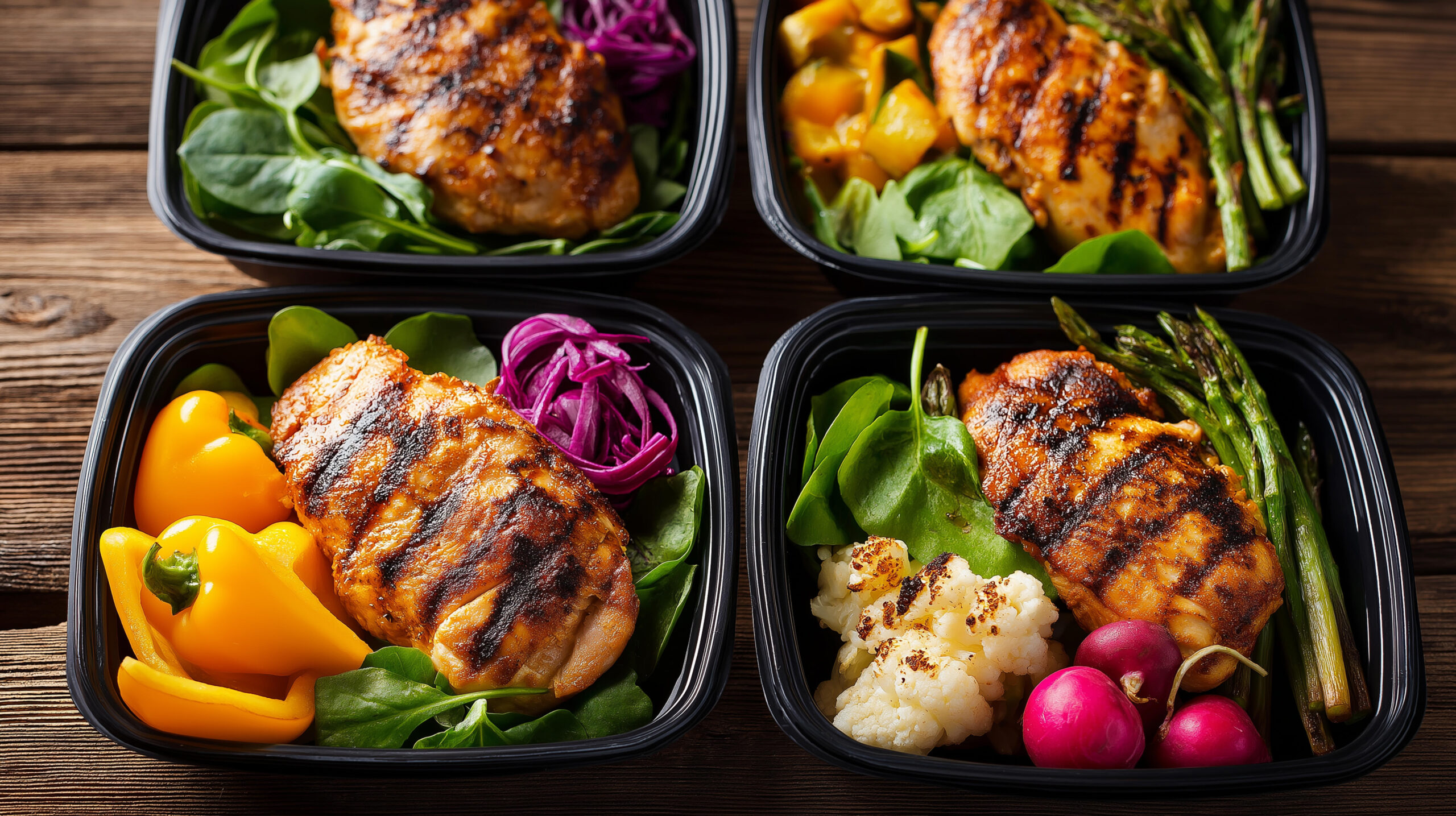
Dinner shouldn’t be a cooking event. It should be food assembly. The most consistent high-protein dinners are assembled from pre-cooked meal parts.
When food is prepared earlier (at a time when you have plenty of motivation and drive), dinner stops being something you negotiate with and starts becoming something you simply execute.
WHAT THIS LOOKS LIKE IN PRACTICE
Once protein is already prepared, everything else becomes easy. Why? Because protein is the foundation of your meals.
Dinner turns into simple math: protein plus vegetables, with starch added, if needed. That’s it.
Whether that protein is chicken cooked in the crock pot, turkey sausage made ahead of time, oven baked salmon from the night before, or a skillet dinner meal prepped earlier in the week, the structure stays the same. Only the ingredients rotate.
Vegetables don’t need effort either. Frozen options, leftover roasted vegetables, or quickly reheated greens all count.
Starches don’t need to be based on a fancy recipe. Single-serving portions of rice, potatoes, or pasta dishes prepared in advance can be pulled from the fridge or freezer.
And you don’t need to get wrapped up in complex flavors. A small amount of seasoning, herbs, or sauce is enough to make food enjoyable.
Sure, these recipes probably won’t win any awards, but your focus should be on consistency, not on some hour-long special you see on the Food Network.
WHY THIS WORKS LONG TERM
When dinner works this way, several things happen automatically.
Protein intake improves without effort. Portions become easier to control. Appetite stays more stable through the evening, and late-night snacking becomes less likely.
Most importantly, consistency stops depending on motivation.
The goal of this mindset is that protein-packed dinners should require minimal thought. That’s how you support your fitness goals of gaining lean muscle mass and burning body fat.
HOW TO BUILD YOUR HIGH-PROTEIN DINNER PLATE
Simplicity is key when it comes to designing a structure for your protein-packed meals. Dinner works best when it’s built visually instead of trying to match perfect nutritional numbers.
When each part of the plate has a purpose, high protein dinner ideas become easier to assemble and repeat.
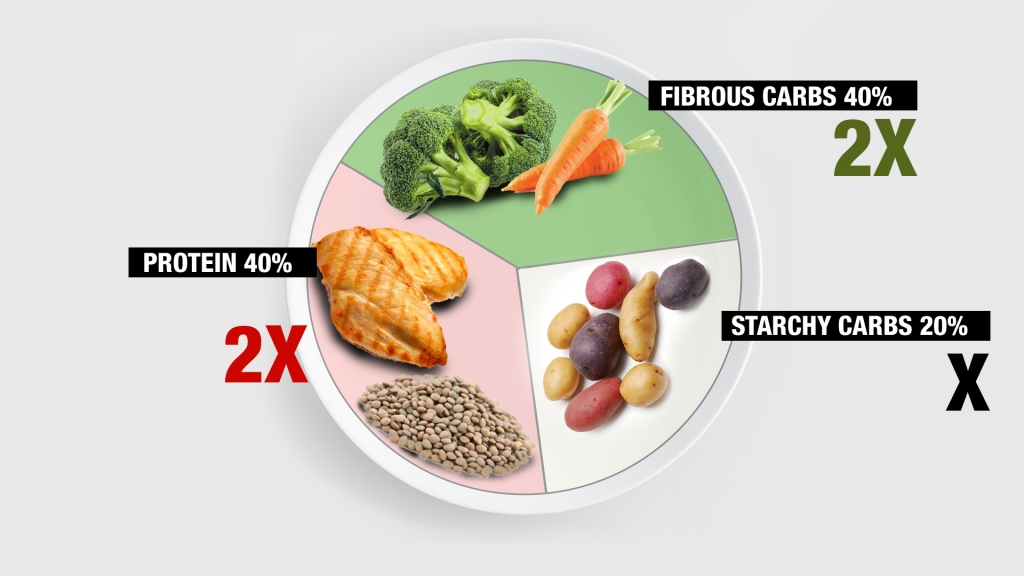
Instead of counting or measuring, use a simple plate-based approach:
- ~⅓ protein
- ~⅓ fibrous vegetables
- ~⅓ starch
This structure removes guesswork and keeps dinner balanced without extremes. To make things even easier, I’d recommend becoming familiar with a food tracker.
Here’s what that looks like on your plate and how each component works together at night.
LEAN PROTEIN (~40%)
Dinner is where protein does its most important work. After a full day of movement and training, this is the meal that supports muscle repair, recovery, and keeps hunger under control later in the evening.
A solid protein portion at dinner helps bring the day to a close without cravings, overeating, or the urge to keep snacking.
The advantage with these refrigerated foods is efficiency.
Your dinner protein goal doesn’t need to be reinvented. In most cases, it’s the same protein you’ve already prepared earlier in the day.
When you cook once and eat multiple times, protein is already accounted for, which removes the pressure of having to figure it out at the end of the day.
For example, what you used at lunch can be plated again at dinner with different vegetables, seasonings like coconut aminos or Greek yogurt tzatziki, or starch and still work perfectly.
This reuse approach removes friction. You’re not deciding what protein to eat. You’re deciding how to use what’s already available. That’s what makes consistency possible.
Overall, you want to go for whole food protein options while avoiding or limiting processed protein products. For example, whey protein powder is great, but a lot of the low-grade protein bars are not.
Here are reliable lean protein options you can use as your grocery list that work especially well for dinner, whether freshly cooked or reheated:
ANIMAL-BASED PROTEINS
- Chicken breasts (grilled, baked, roasted, or shredded)
- Chicken thighs (great for teriyaki bowls)
- Turkey breast or turkey cutlets
- Lean ground turkey
- Lean beef (sirloin, top round)
- Lean pork chops or tenderloin
- Bone broth (as a base for soups, stews, grain bowls, and protein bowls)
- Salmon (baked, grilled, or pan-seared)
- White fish (cod, halibut, sole)
- Shrimp or scallops
- Eggs or egg whites
- Low-fat Greek yogurt
- Cottage cheese (low-fat or 1%)
- Skim or low-fat milk
- Protein supplements (whey protein, casein protein, etc.)
PLANT-BASED PROTEINS
- Lentils (e.g., Madras lentil bowl)
- Beans (e.g., white beans, cannellini beans)
- Tofu
- Tempeh
- Minimally processed veggie burgers
- High-protein plant-based products like nutritional yeast
I mentioned this above, but I can’t stress it enough: when you have your protein source locked in, dinner is satisfying, recovery is supported, and the rest of the meal naturally falls into place.
FIBROUS CARBOHYDRATES (~40%)
Vegetables play a different role at dinner than they do earlier in the day. At night, they’re about volume, control, and helping the meal feel complete without pushing calories unnecessarily high.
A generous portion of fibrous carbohydrates allows dinner to satisfy hunger while keeping blood sugar levels steady. This helps prevent late-night grazing.
This is where vegetables earn their space on the plate. For example, leafy greens, cruciferous vegetables, squash, and cabbage-based options add bulk without competing with protein.
When dinner includes enough fiber, high-protein meals feel substantial rather than restrictive, and appetite tapers naturally as the evening goes on.
Frozen vegetables are especially valuable when you’re eating protein-dense dinners. They remove preparation as a barrier and make consistency much easier to maintain.
There’s no washing, chopping, or planning required. A bag of frozen vegetables can be steamed, microwaved, or added to a sheet pan dinner in minutes, which matters when time and energy are limited. This is one of the simplest ways to protect healthy eating habits at the end of the day.
The most reliable strategy is mixing sources. Fresh vegetables when available, frozen vegetables when convenience matters, and leftovers when they already exist.
Below are my go-to fibrous carbohydrate options that work especially well at dinner:
VEGETABLES & GREENS
- Leafy greens (spinach, arugula, mixed greens)
- Fresh spinach
- Broccoli and cauliflower
- Cauliflower rice or cauliflower stir-fry rice
- Zucchini and zucchini noodles
- Cabbage and sesame cabbage slaw
- Brussels sprouts
- Eggplant
- Bell peppers
- Onions
- Mushrooms
- Asparagus
LEGUMES & FIBER-RICH ADDITIONS
- Black beans (e.g., black bean chicken tacos)
- Lentils
- Chickpeas
- Vegetable-based soups made with chicken broth
- Crispy lentils (used as a topping)
Vegetables aren’t a side at dinner. They’re part of the structure. When they take up a significant portion of the plate, protein is easier to portion, total calorie needs are reasonable, and dinner supports recovery without spilling into unnecessary eating later in the night.
STARCHY CARBOHYDRATES (~20%, FLEXIBLE)
One of the most common questions people ask about dinner is whether carbs should even be on the plate.
The short answer is yes… when used intentionally.
Starchy carbohydrates aren’t something you have to fear at night, but they’re not something you need to force either.
When training volume or intensity is higher, a modest portion of starch at dinner helps refill energy stores and supports muscle growth and recovery.
Paired with protein, starches tend to digest more slowly and help keep blood sugars steady rather than spiking and crashing.
This is especially true when the rest of the plate is built around vegetables and lean protein.
The most effective way to use starch at dinner is preparation. Cook single-serving portions ahead of time, then store them in the fridge or freezer.
Rice, couscous, and potatoes all freeze and reheat well, which means the work is done once and reused across multiple meals. On nights when you need the extra fuel, you add it. On nights you don’t, the plate still works without it.
There’s no need to search for a “perfect” starch.
Whole grains, potatoes, or grain-based options all fit when portions are controlled. What matters most is choosing something you enjoy and keeping it in proportion, so it supports the meal instead of taking it over.
Naturally, starch should complement protein and vegetables, not replace them.
Dinner also doesn’t need to fit into extremes like low-carb meals or keto recipes to be effective. These simple carbs improve satisfaction and make high protein meals easier to sustain without increasing appetite later in the evening.
Here are some family favorites for starchy carbs you can throw into your shopping list for your dinner meal prep:
- Rice (white, jasmine, or brown)
- Sweet potatoes
- White or red potatoes
- Couscous
- Whole grains (e.g., protein oatmeal)
- Chickpea pasta or grain-based pastas
- Protein-rich pasta
- Simple potato recipes prepared in batches
Choose what you like, prepare it in advance, and use it as needed. When portions are clear and protein remains the focus, starchy carbohydrates support recovery without complicating the meal.
WHAT ABOUT DIETARY FATS?
Dietary fat tends to creep up at dinner for one simple reason: it’s usually added without being noticed.
Sauces get heavier, oils get poured more freely, and cheese becomes a finishing touch that quietly turns into the main event.
None of this is a problem on its own, but when dietary fat starts driving the meal instead of supporting it, portions become harder to control and total calories climb quickly.
Fat has a role at dinner, but it’s a supporting role.
Most high-protein foods already contain some naturally occurring fat, whether that’s from chicken meatballs, fish, eggs, dairy, or plant-based sources.
When meals are built around those protein sources, additional fat doesn’t need much attention. A light brush of oil in an air fryer, a small spoon of marinara sauce, or a modest sprinkle of parmesan cheese is usually enough to enhance flavor without shifting the balance.
Problems arise when fat becomes the foundation.
Meals built around heavy sauces, excessive oils, or large amounts of cheese (think oversized portions of ricotta cheese, thick stir-fry sauce, or oil-heavy preparations) can easily overshadow protein and vegetables.
Even foods that are considered “healthy fats” can disrupt the structure when they dominate the plate.
The simplest way to manage fat at dinner is visual. Ask yourself if protein sources and vegetables clearly take up most of the plate. If so, then fat is almost always where it should be.
That’s true whether you’re eating soy-ginger salmon bowls with vegetables, arctic char with greens, or a citrusy grilled chicken salad finished with basil leaves and Celtic salt. The fat enhances the meal without defining it.
That balance keeps blood sugars stable, total protein intake consistent, and the meal aligned with long-term progress rather than short-term indulgence.
MINIMALIST MINDSET
Dinner is where good intentions usually collide with real life. That’s why minimal processing at night is all about execution.
Again, the easiest entry point is cooking ahead.
Preparing food once or twice earlier in the week removes pressure later on. When meals are already made, dinner stops competing with fatigue, time, or willpower. You’re no longer deciding whether to eat well. You already know how to do it because you have prepared options to use.
How food is stored matters just as much as how it’s cooked.
You want to make things as easy as possible, right? So, cook everything in bulk and then dish out these high-protein comforting dishes into individual serving containers. That keeps them available without letting portions drift upward. You can literally grab and go.
The real advantage of this approach is durability.
On high-energy nights, it feels efficient. On low-energy nights, it’s what keeps dinner from falling apart. Either way, minimal processing creates repeatable meals that support your goals without demanding effort when you have the least to give.
HOW MUCH PROTEIN SHOULD DINNER CONTAIN?
Before deciding how much protein dinner should include, it helps to step back and look at the full day.
For active individuals, a solid daily protein intake generally falls between 0.7 and 1.0 grams of protein per pound of bodyweight per day. This range allows flexibility based on training frequency, body size, and overall demands. You can use our protein calculator to determine the right amount of daily protein intake for you.
Someone newer to training or exercising a few times per week will often sit comfortably toward the lower end of that range, while experienced lifters or those training with higher volume and intensity may benefit from aiming higher.
For example:
- A 145-pound individual training a few times per week may aim for 100 to 115 grams of protein per day.
- A 215-pound experienced lifter training consistently and pushing performance may aim closer to 190 to 215 grams per day.
These are practical benchmarks meant to guide consistency rather than precision.
Now, zoom in on dinner.
Dinner shouldn’t be treated as a protein “dump,” but it also shouldn’t be underbuilt. For most people, a well-constructed dinner typically provides 30 to 50 grams of protein, depending on body size, training demands, and how earlier meals were structured.
If breakfast and lunch already carried their weight, dinner reinforces the day’s intake. If earlier meals were lighter, dinner naturally contributes more.
HIGH-PROTEIN DINNER IDEAS: CHICKEN
Chicken works especially well at dinner because it’s easy to digest, simple to portion, and flexible enough to fit different appetites at the end of the day.
When prepared ahead of time, it allows dinner to come together quickly without sacrificing protein quality or consistency.
At night, protein in chicken doesn’t need to be dressed up or complicated.
It works best as a dependable base that pairs well with vegetables and optional starch, letting you adjust portions based on training demands without changing the structure of the meal.
The most effective dinner meals start with chicken that’s already cooked. Roasted, grilled, slow cooker–style, or pan-cooked chicken can be reused across several evenings with minimal effort.
Once it’s prepared, dinner becomes a matter of combining it with vegetables, adding starch if needed, and adjusting flavor.
From a recovery standpoint, chicken provides a dense source of high-quality protein without excessive fat, which supports muscle repair and bone health without leaving you feeling heavy before bed.
From a consistency standpoint, it holds up well when reheated and absorbs different seasonings easily, preventing flavor fatigue across the week.
When chicken is available and visible in the fridge, dinner decisions become easier, and protein intake stays predictable.
Here are some of my favorite chicken-based dinner ideas for this high-protein recipe series:
SLOW COOKER SALSA VERDE CHICKEN PLATE
- 5–6 oz cooked chicken breasts (slow cooker)
- 2–3 tbsp salsa verde
- 2 cups steamed vegetables (broccoli, zucchini, or peppers)
- Optional: ½–¾ cup cooked rice or potatoes
Directions:
- Add chicken breasts and salsa verde to a slow cooker and cook until tender.
- Portion chicken onto a plate with vegetables.
- Add starch if desired and serve warm.
GARLIC CHICKEN WITH ROASTED VEGETABLES
- 5–6 oz chicken breast, sliced
- 2 cups mixed vegetables (carrots, squash, Brussels sprouts)
- Garlic powder, salt, pepper
- 1 tsp coconut oil
Directions:
- Toss vegetables lightly with coconut oil and roast until tender.
- Pan-cook chicken with garlic powder, salt, and pepper.
- Serve chicken alongside roasted vegetables.
CHICKEN EGGPLANT PARMESAN
- 5 oz cooked chicken breast
- 1 cup roasted eggplant slices
- ¼ cup marinara sauce
- 1–2 tbsp grated parmesan cheese
Directions:
- Roast eggplant slices until soft.
- Warm chicken and top with marinara sauce.
- Add eggplant and sprinkle lightly with parmesan cheese.
- Serve with vegetables or a small starch portion if needed.
CITRUS SOBA CHICKEN BOWL
- 5–6 oz cooked chicken breast, sliced
- ¾ cup cooked soba noodles
- 1–2 cups mixed vegetables
- Splash of gluten-free soy sauce
- Citrus zest or juice (lemon or orange)
Directions:
- Warm soba noodles and vegetables.
- Toss noodles lightly with soy sauce and citrus.
- Add chicken on top and serve as a warm bowl.
CHICKEN WITH SPINACH & LENTIL SALAD
- 5 oz grilled or baked chicken
- 2 cups fresh spinach
- ½ cup cooked lentils
- Vinegar, salt, pepper
Directions:
- Combine spinach and lentils in a bowl.
- Season lightly with vinegar, salt, and pepper.
- Serve chicken alongside or sliced over this high-protein salad.
HIGH-PROTEIN DINNER IDEAS: BEEF & PORK
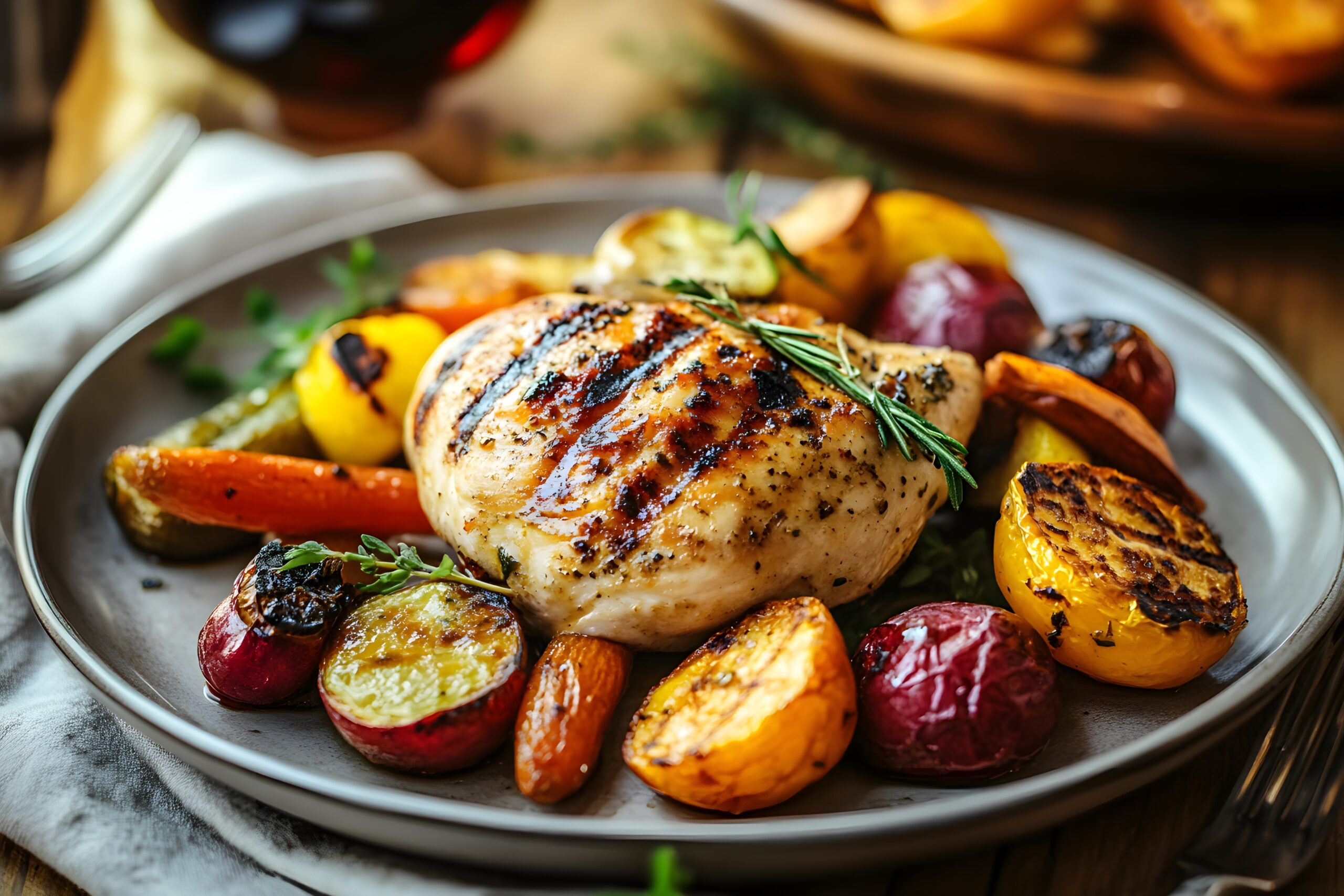
Beef and pork bring a different kind of satisfaction to dinner. They’re richer in flavor, naturally filling, and particularly effective when appetite is higher at night.
When lean cuts are chosen and portions are controlled, these proteins fit cleanly into high-protein dinners that feel grounding without becoming heavy.
The key to beef and pork is selection and preparation. Lean cuts such as sirloin, top round, tenderloin, or trimmed pork chops provide plenty of protein without excessive fat. Ground versions should be kept lean and cooked simply so they can be reused across multiple dinners.
From a satiety standpoint, beef and pork tend to feel more substantial than lighter proteins. That fullness can be helpful at dinner, where the goal is to finish eating without lingering hunger.
Their stronger flavor profile also reduces the need for heavy sauces or extra fat, keeping meals controlled without feeling sparse.
When portions stay reasonable and vegetables anchor the plate, beef- and pork-based dinners support muscle repair and help close out the day without overdoing calories.
Try a few of these beef and pork dinner recipes that are super easy to make:
BEEF BURGUNDY–STYLE DINNER
- 5–6 oz lean beef (sirloin or top round), cubed
- Mushrooms and onions
- Beef broth
- Fresh or dried herbs
Directions:
- Simmer beef, mushrooms, onions, and broth until tender.
- Season lightly and portion beef with vegetables.
- Serve with a small starch if desired.
PORK CHOP WITH ROASTED VEGETABLES
- 5–6 oz lean pork chop
- 2 cups roasted vegetables (broccoli, carrots, or squash)
- Salt and pepper
Directions:
- Pan-cook or bake pork chop until cooked through.
- Roast vegetables until tender.
- Serve pork with vegetables on a single plate.
LEAN GROUND BEEF VEGETABLE SKILLET
- 5 oz lean ground beef
- Bell peppers and onions
- Garlic and seasoning
Directions:
- Brown ground beef with garlic and seasoning.
- Add vegetables and cook until tender.
- Serve on its own or with a small portion of rice or potatoes.
SIRLOIN STEAK WITH POTATOES & GREENS
- 5–6 oz sirloin steak
- 1 medium potato, cooked
- 2 cups leafy greens
Directions:
- Grill or pan-cook steak to preferred doneness.
- Prepare potato and greens separately.
- Serve as a balanced plated dinner.
PORK & VEGETABLE SOUP
- 5 oz diced lean pork
- Mixed vegetables
- Low-sodium broth
Directions:
- Simmer pork and vegetables in broth until cooked through.
- Season lightly and serve as a warm dinner option.
HIGH-PROTEIN DINNER IDEAS: SEAFOOD
Seafood is an excellent option for dinner when you want a high-protein meal that feels substantial without being heavy.
Fish and shellfish tend to digest more easily than red meat, making them well suited for the end of the day when recovery matters and your appetite still needs to be satisfied.
Seafood also brings variety into the week without changing the overall structure of the meal. With minimal prep and short cooking times, it fits cleanly into dinners that are built from prepared components rather than long cooking sessions.
This makes them ideal for supporting overnight recovery without the sluggish feeling that sometimes follows heavier meals.
Fatty fish also contribute omega-3 fats, which support muscle recovery and joint health when paired with vegetables and balanced portions.
Because seafood cooks quickly and reheats well, it works both as a fresh, same-night option and as something prepared earlier in the week.
Here are some great seafood-based high-protein recipes for you to incorporate into your meal plan:
OVEN-BAKED SALMON WITH VEGETABLES
- 5–6 oz salmon fillet
- 2 cups mixed vegetables
- Salt, pepper, herbs
Directions:
- Bake salmon until flaky.
- Roast or steam vegetables until tender.
- Serve together as a simple plated dinner.
WHITE FISH WITH LEMON & GREENS
- 5–6 oz white fish (cod, sole, or halibut)
- 2 cups leafy greens
- Lemon juice, seasoning
Directions:
- Pan-cook or bake fish until opaque.
- Lightly sauté greens.
- Finish fish with lemon juice and serve.
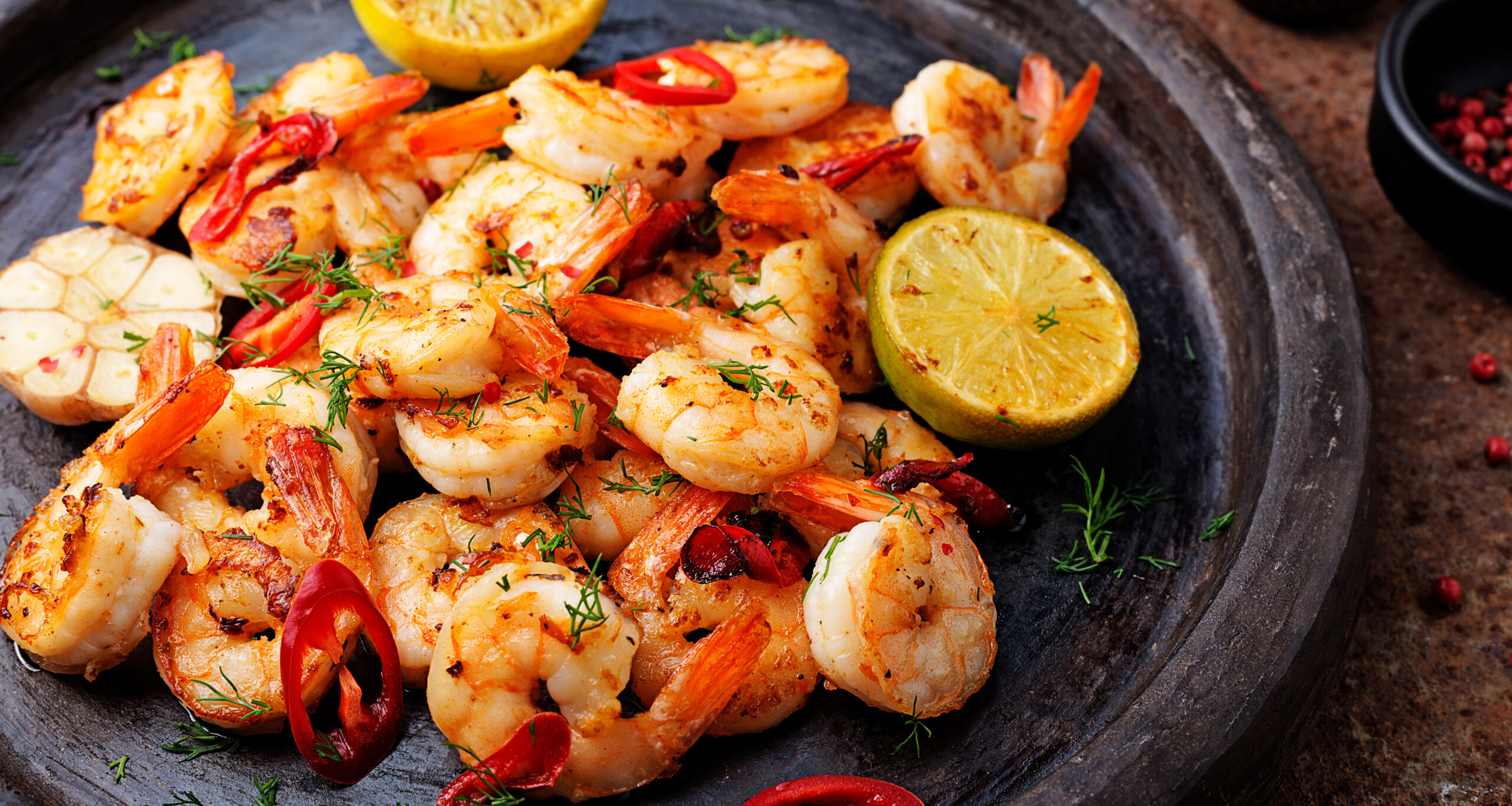
SHRIMP & VEGETABLE SKILLET
- 5–6 oz shrimp, peeled
- 2 cups mixed vegetables
- Garlic and seasoning
Directions:
- Sauté shrimp until just cooked.
- Add vegetables and cook until tender.
- Serve warm as a quick dinner option.
TUNA DINNER PLATE
- 1–2 cans tuna, drained
- 2 cups vegetables
- Optional starch
Directions:
- Warm vegetables and plate with tuna.
- Season lightly and add starch if desired.
FISH & VEGETABLE SOUP
- 5 oz white fish, diced
- Mixed vegetables
- Low-sodium broth
Directions:
- Simmer fish and vegetables in broth until cooked through.
- Season and serve as a light, protein-rich dinner.
HIGH-PROTEIN DINNER IDEAS: GROUND-PROTEIN MEALS
Ground proteins are one of the most practical tools you can use for dinner. They cook quickly, portion easily, and adapt to a wide range of flavors, which makes them ideal for nights when you want a real meal without extra steps.
When dinner needs to work, not impress, ground protein does the job.
These meals are especially useful for batch cooking or family-style dinners. One pan or pot can produce multiple servings, and leftovers reheat well without losing texture. That reliability is what keeps dinner consistent throughout a busy week.
Ground proteins remove friction. There’s no slicing, trimming, or careful timing required. Once cooked, they mix cleanly with vegetables and starches, making it easy to build balanced plates without measuring or tracking.
Prep for the week with these ground protein dinner recipes:
GROUND CHICKEN & VEGETABLE SKILLET
- 5–6 oz ground chicken
- 2 cups mixed vegetables (zucchini, peppers, onions)
- Salt, pepper, herbs
Directions:
- Brown ground chicken in a pan until fully cooked.
- Add vegetables and cook until tender.
- Serve as-is or with a small portion of starch.
LEAN GROUND BEEF WITH RICE
- 5–6 oz lean ground beef
- ¾ cup cooked rice
- 1–2 cups vegetables
Directions:
- Cook ground beef until browned and seasoned.
- Warm rice and vegetables.
- Plate beef over rice with vegetables on the side.
GROUND TURKEY & BEAN DINNER BOWL
- 5 oz ground turkey
- ½–¾ cup cooked beans
- 1–2 cups vegetables
Directions:
- Brown ground turkey until cooked through.
- Stir in beans and vegetables.
- Serve warm as a single-bowl dinner.
GROUND PROTEIN SOUP POT
- 5 oz ground beef or turkey
- Mixed vegetables
- Low-sodium broth
Directions:
- Brown ground protein lightly.
- Add vegetables and broth.
- Simmer until flavors combine and serve hot.
GROUND PROTEIN & POTATO PLATE
- 5–6 oz ground protein of choice
- 1 medium potato, cooked
- 1–2 cups vegetables
Directions:
- Cook ground protein until fully done.
- Prepare potato and vegetables separately.
- Plate together for a simple, filling dinner.
HIGH-PROTEIN DINNER IDEAS: PLANT-BASED
Plant-based dinners can absolutely be high in protein but only when they’re built with intention.
The most common mistake with plant-based meals at dinner is letting carbohydrates take over while protein quietly fades into the background. When that happens, meals feel filling at first but don’t hold up well through the evening.
The solution isn’t eliminating carbs. It’s structuring the meal around a clear plant-based protein source first, then building the rest of the plate to support it. When that structure is in place, plant-based dinners can be just as satisfying and recovery-friendly as meals built around animal proteins and animal products.
A solid plant-based dinner starts by identifying the primary protein source before anything else goes on the plate. Lentils, beans, tofu, tempeh, and legume-based foods should carry the meal, not act as a garnish. Vegetables add volume and balance, while starch stays optional and controlled rather than dominant.
This approach works for both vegan options and vegetarian options. The key difference between a balanced plant-based dinner and a carb-heavy one is whether protein is intentional or incidental.
LENTIL & VEGETABLE DINNER BOWL
- 1–1½ cups cooked lentils
- 2 cups roasted or sautéed vegetables
- Salt, pepper, herbs
Directions:
- Warm lentils until hot.
- Roast or sauté vegetables until tender.
- Combine in a bowl and season to taste.
TOFU & VEGETABLE STIR-FRY
- 5–6 oz firm tofu, cubed
- 2 cups mixed vegetables
- Light seasoning
Directions:
- Pan-cook tofu until lightly browned.
- Add vegetables and cook until tender.
- Serve as a plated dinner or over a small portion of grains if needed.
BEANS & GREENS
- ¾–1 cup cooked beans (black, kidney, or chickpeas)
- 2 cups leafy greens
- Vinegar, salt, pepper
Directions:
- Warm beans and season lightly.
- Sauté or steam greens.
- Serve beans alongside greens for a simple dinner.
CAPRESE CHICKPEA SALAD
- 1 cup chickpeas
- Tomatoes
- Fresh basil
- Optional: small side of crusty bread
Directions:
- Toss chickpeas with tomatoes and basil.
- Season lightly with salt and pepper.
- Serve as a protein-forward salad, adding bread only if desired.
VEGETABLE & LENTIL SOUP DINNER
- 1½–2 cups lentil-based soup
- 1–2 cups vegetables or side salad
Directions:
- Heat lentil soup until hot.
- Serve with vegetables or a simple salad for added volume.
MY TOP 10 DINNER NUTRITION RULES
By the time dinner arrives, motivation is usually spent. What you eat at night is influenced less by discipline and more by what’s easiest to execute at that moment.
These rules exist to give dinner structure that holds up when energy is low. They’re meant to keep meals consistent, supportive of recovery, and simple enough to repeat without effort.
This isn’t about tightening rules at night. It’s about designing dinner, so it works even when you’re tired.
1. DINNER IS ABOUT RECOVERY
Dinner is the bridge between today’s work and tomorrow’s performance. Training creates stress, both muscular and neurological, and dinner is where your body gets the raw materials to repair that damage.
Under-eating at night doesn’t speed fat loss or improve discipline.
More often, it delays recovery and sets you up for poor energy the following day. A properly built dinner helps close the training loop instead of leaving it unfinished.
2. PROTEIN STILL LEADS THE MEAL
No matter how late it is or how tired you are, dinner still needs a clear protein source. Protein provides structure, slows digestion, and signals to your body that the day’s intake is complete.
Meals without enough protein tend to feel unfinished, which often leads to continued eating later, not because of hunger, but because something feels missing.
Leading with protein prevents that pattern before it starts.
3. EAT UNTIL SATISFIED, NOT STUFFED
The goal of dinner is to finish the meal feeling done, not overly full and not still searching for food, especially because you’ll be crashing not long afterward.
Protein and vegetables accomplish this better than any portion trick. When the plate is built correctly, appetite settles on its own and stopping feels natural instead of forced.
4. CARBS ARE A TOOL, NOT A TRAP
Starches at dinner don’t undo progress when they’re used intentionally. For people training regularly, carbohydrates can support recovery, sleep quality, and overall energy balance.
Problems show up when carbs dominate the plate or when they’re removed entirely out of fear. Dinner works best when starch supports the meal but does not define it or disappear from it.
5. KEEP FAT IN CHECK
Fat adds flavor and satisfaction, but it also adds calories quickly. Most dinners already contain enough fat from protein sources and cooking methods without needing much extra.
When fat becomes the focal point through heavy sauces, excess oil, or oversized cheese portions, it pushes meals past what appetite can regulate. When it stays subtle, it enhances the meal without changing its balance.
6. SIMPLE MEALS WIN AT NIGHT
Complex meals demand energy and attention, which are two things that are usually limited by the time you’re ready to sit down for dinner.
Simple meals remove friction and make good decisions easier to repeat.
Dinner isn’t the place to test discipline or creativity. It’s the place where reliability matters most. Meals that are easy to assemble are the ones that survive real life.
7. PREP EARLIER, RELAX LATER
Most poor dinner choices don’t happen because of hunger alone. They happen because nothing is ready.
Naturally, preparation removes pressure.
When food is already cooked, dinner becomes a matter of combining components instead of making decisions. That shift alone dramatically improves consistency at night.
8. LATE DINNERS ARE NOT FAILURE
Eating later than planned doesn’t negate progress. What matters is how you eat, not the time on the clock.
Skipping dinner or forcing restriction often leads to overeating later on or the next day.
A well-structured late meal supports recovery far better than trying to “make up” for the timing.
9. DINNER SHOULD END THE DAY, NOT EXTEND IT
A good dinner brings closure. When protein intake is adequate and the meal feels complete, the urge to keep eating fades.
Meals that lack structure leave hunger unresolved, which keeps the kitchen open long after dinner is over.
Dinner should signal completion, not continuation.
10. 90% IS GOOD ENOUGH
Dinner doesn’t need perfection to work. Over the course of a week, there will be meals that are well planned and other meals that are simply okay.
What drives results is how often dinner follows a solid structure. When most nights are handled well, progress continues, even if a few meals aren’t ideal.
Remember, guys, consistency beats perfection, especially at the end of the day.
Dinner works best when its purpose in your meal plan is clear.
Build the plate around protein, support it with vegetables and intentional carbohydrates, and keep preparation simple enough to repeat consistently.
When this structure becomes routine, recovery improves, appetite settles, and progress follows without extra effort.
Check out our complete line of ATHLEAN-RX Supplements and find the best training program for you based on your fitness level and goals.

- Dinner is about execution, not cooking. Meals work best when they’re assembled from food that’s already prepared, especially at the end of the day.
- Use a visual plate structure. Aim for roughly 40% protein, 40% vegetables, and 20% starch that you can scale up or down based on training and appetite.
- Protein should be obvious on the plate. Most dinners land best around 30 to 50 grams of protein, contributing meaningfully to your daily total.
- Vegetables are essential at night. They add volume, support appetite control, and help dinner feel complete without excess calories.
- Starchy carbs are flexible. Rice, potatoes, or grains support recovery when training demands are higher and stay optional when they’re not.
- Fat plays a supporting role. Most dinners already contain enough; small additions for flavor go a long way.
- Minimal processing drives consistency. Bulk cooking, single-serving portions, and freezer-friendly foods make good dinners easier to repeat.
- Chicken, beef, seafood, ground proteins, and plant-based meals all work when built around the same structure.
- Dinner should leave you satisfied. When protein and vegetables lead, late-night grazing naturally declines.
- Consistency beats perfection. Solid dinners most nights are enough to support recovery, muscle, and long-term progress.
HIGH PROTEIN DINNER IDEAS FAQ
The best high protein diets finish the day cleanly.
It starts with a deliberate protein portion that carries the meal. You can choose from chicken, beef, seafood, eggs, or a properly structured plant-based option.
From here, it’s supported by vegetables that add volume without excess calories.
What separates a good dinner from a forgettable one is completion. When protein is sufficient and vegetables are present, appetite settles and the need to keep eating fades.
The meal doesn’t feel light, but it doesn’t feel heavy either. That balance matters at night, when overeating is usually driven by meals that were incomplete, not indulgent.
A high-protein dinner also works because it’s repeatable. Meals built from pre-cooked components and simple combinations are easier to execute consistently, which matters far more than novelty.
If you can make the same dinner work three or four nights in a week without friction, it’s doing its job.
Start by choosing one primary protein source and build around it. That could be a portion of chicken you cooked earlier, a lean cut of beef, fish prepared quickly, or a plant-based protein like lentils or tofu. The mistake most people make is deciding on sides first and hoping protein “shows up” later.
From there, add vegetables generously. They give the meal structure and help regulate appetite through the evening. If training demands or hunger calls for it, include a modest starch but let it support the meal rather than define it.
The simplest test is visual: when you look at the plate, protein should be obvious. If it’s not, the meal will likely leave you hungry later.
High-protein dinners don’t require special foods or elaborate cooking. They require clarity. Protein first, vegetables second, everything else in a supporting role.

Jeff Cavaliere M.S.P.T, CSCS
Jeff Cavaliere is a Physical Therapist, Strength Coach and creator of the ATHLEAN-X Training Programs and ATHLEAN-Rx Supplements. He has a Masters in Physical Therapy (MSPT) and has worked as Head Physical Therapist for the New York Mets, as well as training many elite professional athletes in Major League Baseball, NFL, MMA and professional wrestling. His programs produce “next level” achievements in muscle size, strength and performance for professional athletes and anyone looking to build a muscular athletic physique.