






why make protein shakes?
A protein smoothie meant for weight loss is going to include different ingredients than it would for muscle growth or post-workout recovery.
More importantly, protein smoothie recipes should prioritize function over flavor.
That’s where most people mess up. They treat protein shakes as desserts instead of tools.
Guys, the right combination of protein powder, whole foods, and smart add-ins can turn basic shakes into protein-packed smoothies that taste great and support your fitness goals.
In this guide, you’ll learn exactly how to build protein shake recipes around your specific needs.
You’ll understand which ingredients help the most, which ones sabotage results, and how to adjust your protein smoothies based on timing, training demands, and total calories.
HOW TO BUILD THE PERFECT PROTEIN SMOOTHIE
Throwing protein shakes and smoothies into your diet shouldn’t be random.
You’ve been told a million times to “drink a shake after you work out,” and yes, that is helpful, but it’s not the full picture.
The ingredients you include and just as importantly, the ones you leave out, should be based on three factors:
Fitness Goal: Whether you’re trying to lose body fat, build muscle, or support recovery will determine your protein source, carb load, and total calories.
Workout Timing: A pre-workout smoothie should digest quickly and stay light. A post-workout protein shake is more flexible with carbs and calories (within reason). What helps you recover after training might hurt performance before it.
Between Meals: A morning shake, meal replacement, or pre-bed smoothie serves a different purpose than a workout-driven one, and it should be built differently to match digestion, satiety, and recovery needs.
Once those factors are clear, building an effective protein smoothie becomes simple.
I’m going to give you plenty of protein shake recipes below based on these categories, but I also want to make sure you can experiment (with the right ingredients) and make your own.
Use this framework below when you’re creating your own protein smoothie recipes.
START WITH HIGH-QUALITY PROTEIN
Naturally, protein sits at the center of any effective shake or smoothie because it supplies plenty of amino acids.
You’ll usually hear amino acids referred to as the building blocks of muscle.
So, what’s the big deal with protein and these amino acids?
BENEFITS OF PROTEIN
These nutrients are responsible for repairing the microscopic damage created during training, driving lean muscle growth, and protecting that muscle during periods of calorie restriction.
This is why you always hear the advice to drink a protein shake after a workout.
But protein goes beyond muscle. It’s also helpful for fat loss and overall body composition.
When you eat a high-protein diet, you improve satiety (how full you feel), reduce appetite, and help limit unnecessary snacking.
Protein also carries a higher thermic effect than carbohydrates or fats. This means your body burns more calories digesting it, while promoting steadier blood sugar and more consistent energy levels.
If your goal is fat loss, protein is just as helpful for burning fat as it is for putting on lean muscle.
WHAT’S THE RIGHT PROTEIN SOURCE?
All these benefits sound great, but what “protein” should you be using in a shake or smoothie?
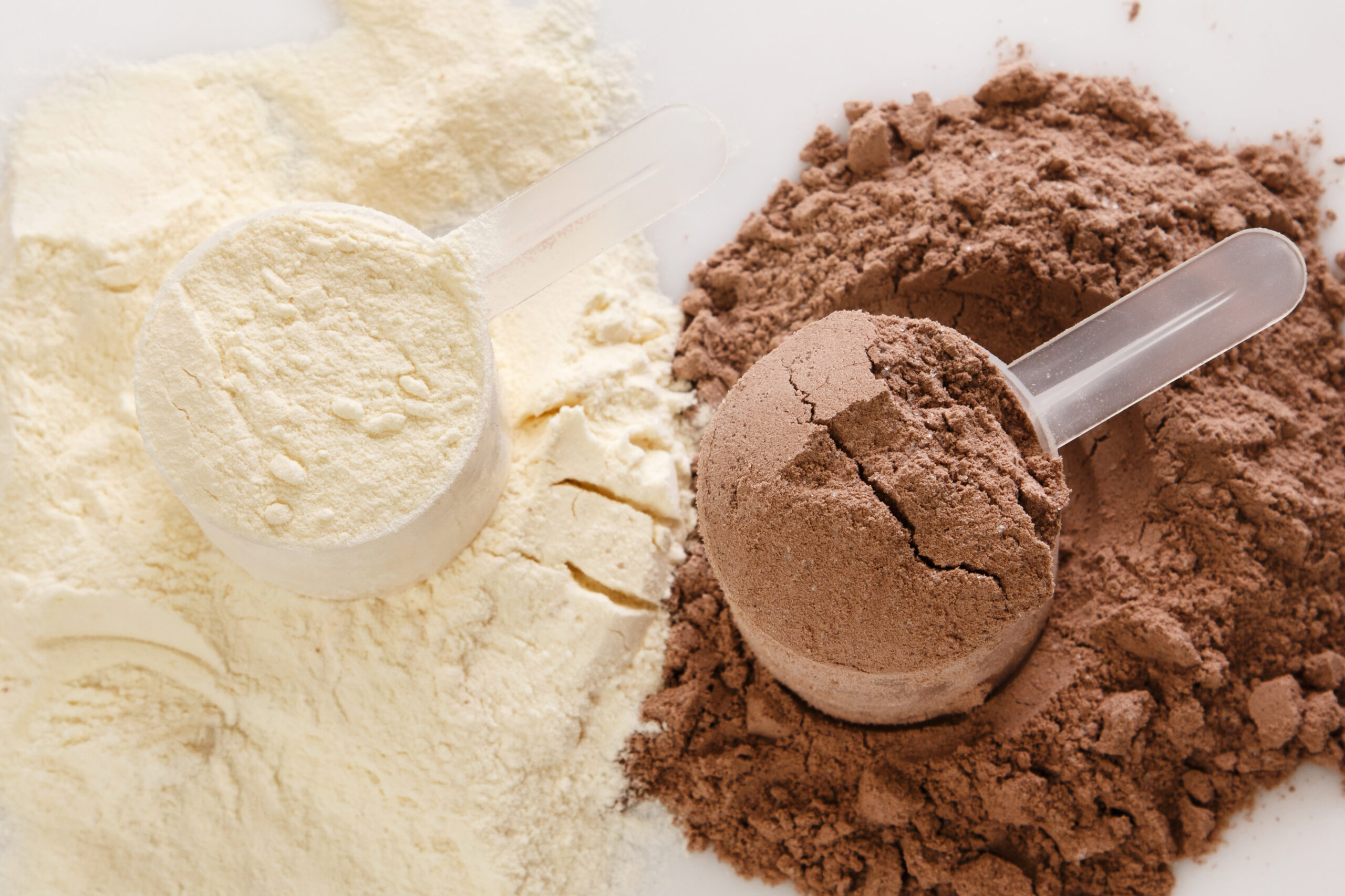
Obviously, when you’re making a shake or smoothie, the primary protein source is going to be that big tub of protein powder on top of your fridge. And if you’re like most people, that protein powder is going to be whey protein.
Whey protein powder isn’t just convenient. It’s created to give your body a concentrated and predictable dose of complete protein without the volume, fat, or extra calories that whole-food sources can add.
To really drive this home, whey protein has one of the highest biological values of any protein source. It scores 104 on the Biological Value (BV) scale, which measures how efficiently your body can absorb and use protein. As a reference point, whole egg protein has a score of 100.
The better your body can absorb your daily protein, the more benefits you reap.
TYPES OF PROTEIN
Not all protein powders behave the same because they differ in how they are processed as well as the source (e.g., animal vs. plant) they are made with.
What you decide to toss into a shake or smoothie affects digestion speed, amino acid delivery, and how well that protein fits into a goal-driven nutrition plan.
Whey Protein Concentrate: This is the least processed form of whey and naturally contains small amounts of fat and lactose. It provides a complete amino acid profile and digests at a moderate pace. Most high-quality whey concentrates include a digestive enzyme blend for those who are lactose intolerant.
Whey Protein Isolate: This type of whey undergoes additional filtration to remove most of the fat and lactose, resulting in a higher percentage of protein per serving. It’s extremely easy to digest, even for those people who are lactose intolerant.
Whey Protein Hydrolysate: This is broken down into smaller protein fragments, allowing for faster absorption and is even easier to digest.
Casein Protein: Casein protein powder is a slow-digesting milk protein that releases amino acids gradually over several hours. This one is popular to take before bed since your muscles will be fed throughout the night.
Plant-Based Protein: This type of protein often combines sources such as pea, rice, or hemp to create a complete amino acid profile. When they are properly formulated, they can be effective alternatives for dairy-free diets, though digestibility and texture vary widely.
WHAT TO LOOK FOR IN A PROTEIN POWDER
Guys, I can’t stress this enough: not all protein powders are (made) the same.
If you’re using protein powder as the backbone of your shakes and smoothies, quality matters. Use the following criteria to separate useful protein from expensive filler.
Protein Content per Scoop
Start with the label. A quality protein powder should provide at least 25 grams of actual protein per serving, with minimal calories coming from fat or sugar.
Also pay attention to how that protein number is achieved. Some lower-quality powders inflate their label claims through nitrogen spiking. This is where cheap, free-form amino acids are added to boost nitrogen content. Higher nitrogen levels artificially increase the number of grams per serving of protein that you see on the label.
On the ingredient list, watch for added amino acids such as glycine, taurine, arginine, or glutamine listed separately, especially if they appear before or alongside the main protein source.
Complete Amino Acid Profile
Your protein powder should be complete, meaning it provides all nine essential amino acids that your body cannot produce on its own.
Animal-based protein powders like whey, egg, and beef naturally meet this requirement, which is why they’re so effective.
Plant-based proteins can work as well, but only when they’re intentionally blended to cover amino acid gaps. Single-source options like pure pea protein or pure rice protein often fall short on their own, limiting muscle protein synthesis unless they’re combined.
Minimal Sugar and Fillers
Added sugars do nothing for recovery or body composition.
Look for protein powders with little to no added sugar and avoid formulas packed with maltodextrin, corn solids, or unnecessary thickeners.
If sweetness is excessive, it’s often compensating for low-quality protein.
Digestibility and Filtration Quality
If a protein powder leaves you bloated, gassy, or uncomfortable, that’s rarely a “you problem.” It’s usually a processing problem.
Start by checking how the protein is filtered. Whey isolates or properly filtered concentrates tend to remove much of the lactose, excess fat, and residual compounds that make digestion harder, especially when protein is blended with whole foods in a smoothie.
Next, scan the label for unnecessary add-ins that can interfere with digestion. Multiple gums, thickening agents, or artificial sweeteners are common culprits when people feel heavy or sluggish after a shake. A cleaner protein with minimal extras gives your digestive system less to fight against.
Finally, there’s the real-world test: drink it. A quality protein should feel light, digest easily, and not distract you with stomach issues an hour later. If discomfort shows up consistently, that feedback matters. No amount of marketing or label promises can override how your body responds.
Short, Understandable Ingredient List
Protein powder should be simple by design. When a label stretches into a long list of additives, it’s often compensating for low-quality protein, poor taste, or inferior processing.
Start by identifying the primary protein source. It should be listed first and clearly named (for example: whey isolate or whey concentrate). After that, the remaining ingredients should be minimal: light flavoring, a small amount of sweetener, and not much else.
Watch out for powders that rely heavily on thickeners and texture agents such as xanthan gum, guar gum, carrageenan, or multiple emulsifiers. These are commonly added to mask gritty texture or weak flavor and can contribute to bloating or digestive discomfort.
The same goes for sweeteners and flavor enhancers. Excessive use of artificial sweeteners, sugar alcohols, or “flavor systems” is often a red flag. A quality protein powder shouldn’t need layers of additives just to be drinkable.
As a rule of thumb, if you can’t quickly identify what most of the ingredients are doing or why they’re there, that protein powder is probably working harder to hide problems than to deliver results.
Clear labels usually reflect better sourcing, cleaner digestion, and a product that blends well with real food instead of fighting against it.
THE PROTEIN POWDER I RECOMMEND (AND WHY)
When we formulated our own protein, we didn’t start with flavor or marketing claims.
We started with the same standards you’ve just read through. If it didn’t check every box on protein quality, transparency, and digestion, it didn’t make the cut.
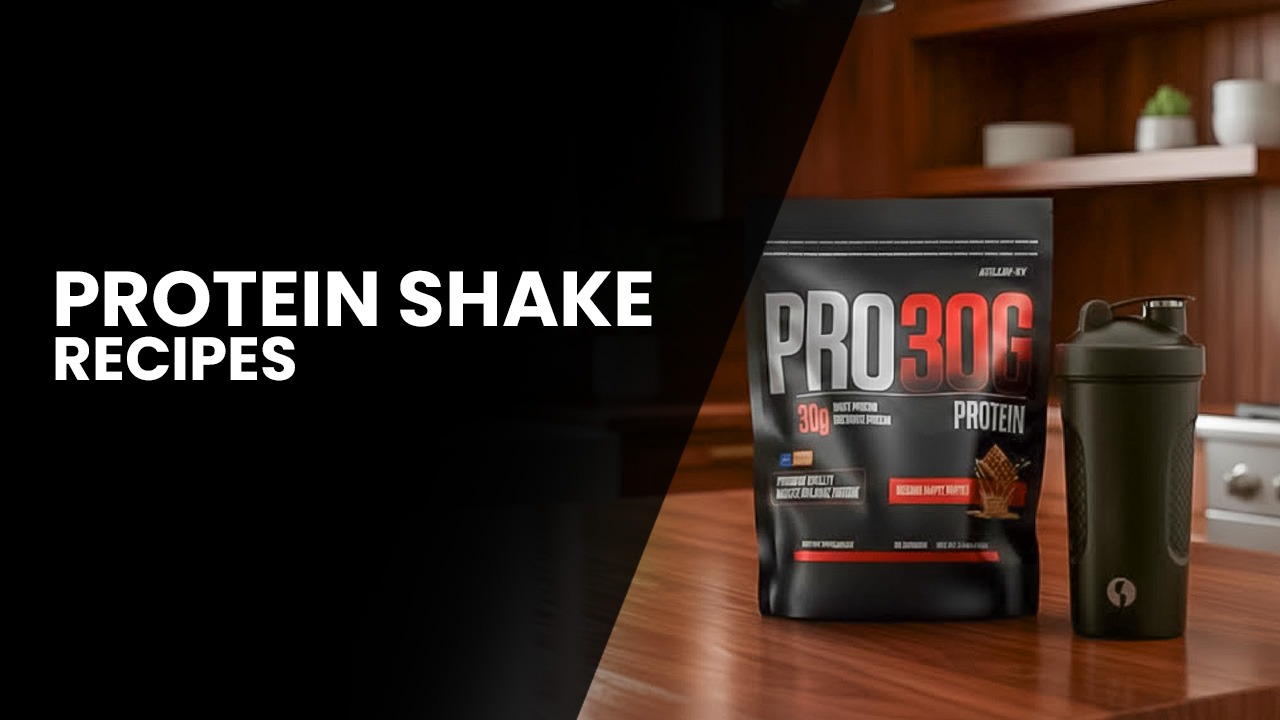
That’s exactly why Athlean-Rx PRO-30G is the protein I recommend. Let me walk you through why PRO-30G should be sitting on top of your fridge.
Start with protein content. Each serving provides 30 grams of protein! That matters when you’re trying to hit daily protein targets consistently, especially if you train hard or need significantly more protein than general recommendations suggest.
Next is protein quality and completeness. PRO-30G uses a blend of whey protein isolate, whey protein concentrate, and egg white protein, delivering a complete amino acid profile with strong bioavailability. That combination supports muscle repair, lean mass retention, and recovery without relying on amino acid spiking or inflated nitrogen numbers to make the label look better than the product actually is.
Transparency was non-negotiable. The label is fully open, with no proprietary blends, so you know exactly where the protein is coming from and how much of it you’re getting. There’s no need to guess, interpret vague “complexes,” or trust marketing language instead of actual ingredient disclosure.
Digestibility was another priority. The inclusion of whey isolate reduces excess lactose and fat, helping the protein digest more cleanly. Sweetness is handled with small amounts of sucralose or stevia rather than added sugar, keeping total sugar low and minimizing digestive issues for most people.
Finally, the ingredient list stays focused. Beyond the protein sources themselves, everything included serves a clear purpose for flavor or texture. There are no long chains of additives meant to hide poor protein sourcing or processing shortcuts. That simplicity makes PRO-30G easier to blend, easier to digest, and easier to use consistently in daily smoothies.
Athlean-Rx PRO-30G is what a quality protein powder should look like: clear sourcing, meaningful protein content, reliable digestion, and zero shortcuts.
ADD FIBER-RICH WHOLE FOODS
Protein may be the foundation of a good smoothie, but fiber is what makes it sustainable (depending on when and why you’re including it).
Fiber slows digestion, helping regulate blood sugar and prevent the rapid spikes and crashes that lead to rebound hunger. It also increases satiety, so protein shakes keep you full instead of becoming short-lived liquid calories.
Fiber doesn’t replace protein, but it does make it more effective.
WHOLE FOODS VS. JUICE
Just like we did with protein, it’s important to question the “source” of fiber for your shake or smoothie.
Fiber only comes from whole foods.
“But Jeff,” you might be saying, “what about those fruit juices I see in the store? Aren’t they packed with fiber?”
Fruit juice, even when it’s labeled natural and organic, removes the very component that controls digestion and blood sugar response. What’s left is concentrated sugar that digests quickly and does little to support fullness.
This is one of the most common smoothie mistakes.
Now, there is an exception worth addressing: post-workout shakes. After hard training, your body is more receptive to carbohydrates and faster-digesting carbs can help replenish glycogen and support recovery.
But that doesn’t automatically mean juice is the right choice.
Even post-workout, whole fruits still win. They provide carbohydrates along with water, micronutrients, and a small amount of fiber, enough to slow digestion just slightly. Juice strips that balance away and turns recovery nutrition into an unnecessary sugar hit.
BEST FIBER SOURCES
Since digestion speed plays a big role in how well your shake or smoothie works, that’s how I’m going to organize this list.
Faster-digesting fiber sources add structure, and they don’t weigh your protein smoothie down. They help keep blood sugar in check while still allowing carbs to be absorbed efficiently, making them a better fit when recovery, energy, or performance is the priority.
Slow-digesting fiber sources slow digestion on purpose. They keep you fuller longer, reduce appetite between meals, and make protein smoothies work harder for fat loss or meal replacement.
Faster-Digesting Fiber Sources
- Blueberries
- Strawberries
- Raspberries
- Blackberries
- Pineapple chunks
- Mango
- Kiwi
- Banana (half portions work well)
- Spinach
- Baby kale
- Swiss chard
- Zucchini
- Cucumber
Slower-Digesting Fiber Sources
- Chia seeds
- Ground flaxseed
- Psyllium husk
- Old-fashioned oats
- Rolled oats
- Steel-cut oats (pre-cooked or soaked before blending)
- Cauliflower
- Cooked pumpkin purée
- Cooked sweet potato
- Pear
- Apple (with skin)
- Frozen avocado chunks
WHEN FIBER HELPS MOST
Fiber works best when the goal is control, not speed. In fat-loss smoothies, meal replacements, or shakes used during non-training or low-activity periods, slower digestion is an advantage.
Fiber helps extend fullness, smooth out blood sugar response, and reduce the urge to snack. This makes it easier to stay consistent with calorie targets over time.
The same properties become drawbacks when digestion speed matters.
Before training, or in smoothies built strictly for recovery, too much fiber can slow gastric emptying and leave you feeling heavy or sluggish.
In these cases, pulling fiber back keeps the shake doing what it’s supposed to do: deliver nutrients efficiently while helping with performance or recovery.
COMMON FIBER MISTAKES
Fiber can improve a smoothie or quietly throw it off. Most issues don’t come from using fiber at all, but from a few small decisions that add up quickly.
Here are the mistakes I see most often when people start adding fiber to their protein shakes.
Treating Juice Like Fruit: Juice sneaks into smoothies because it’s easy and familiar, not because it improves the outcome. It ramps up calories and sweetness quickly, but it doesn’t contribute much to fullness or staying power.
Using Too Many Options: Berries are great. Chia is great. Oats can be great. The problem is stacking all of them in the same blender because more healthy stuff must be better, right? Not so much. Pick one main fiber source per smoothie, then build the rest around it.
Using Fiber as a Fix: If a smoothie starts off too sweet or overloaded with unnecessary add-ins like flavored syrups or creamers, throwing in fiber doesn’t really solve the issue. It just slows down a recipe that was already off course.
Ignoring Quantity: Fiber does its job in relatively small amounts. Once you go past that, it stops improving fullness and starts slowing digestion more than intended. If a smoothie feels heavy or lingers longer than expected that’s usually a signal that too much fiber made it in.
USE SMART CARBOHYDRATES
The job of carbohydrates in a protein smoothie isn’t to make it more filling (that’s fiber’s role). Carbs are there for fuel.
They influence how hard you can train, how quickly you recover, and whether a smoothie supports your progress or holds it back.
Think of it this way: protein handles repair, fiber manages how long the shake lasts, and carbs decide what the shake lets you do next.
CARBS ARE NOT ONE-SIZE-FITS-ALL
Carbohydrates should rise or fall based on what your training demands.
Hard, high-volume training days call for more fuel. Lighter sessions, rest days, or lower overall activity levels don’t.
That means the same smoothie base can work on different days, but the carb portion should change.
This is where carbs clearly differ from fiber. Fiber influences how long a smoothie sits with you. Carbs determine what that smoothie helps with like performance, recovery, or simply getting through the day.
Carbs earn their place most clearly when the body has a reason to use them.
Post-workout shakes are the obvious example. After training, carbohydrates help replenish glycogen and support recovery alongside protein.
They also make sense on high-volume or high-intensity training days, during muscle-building phases, or anytime performance tomorrow matters just as much as calories today.
In these situations, under-fueling often causes more problems than slightly overshooting carbs.
With that said, carbs don’t need to show up in every smoothie.
On low-activity or rest days, during fat-loss phases where calories need tighter control, or in late-evening shakes meant to support recovery, carbs can be pulled back.
CHOOSING THE RIGHT CARBOHYDRATES
Not all carbs do the same thing, and that matters when you’re building a protein smoothie. Some are better suited for immediate needs, while others support longer stretches of activity.
Faster-digesting carbs are useful when fuel or recovery is the priority.
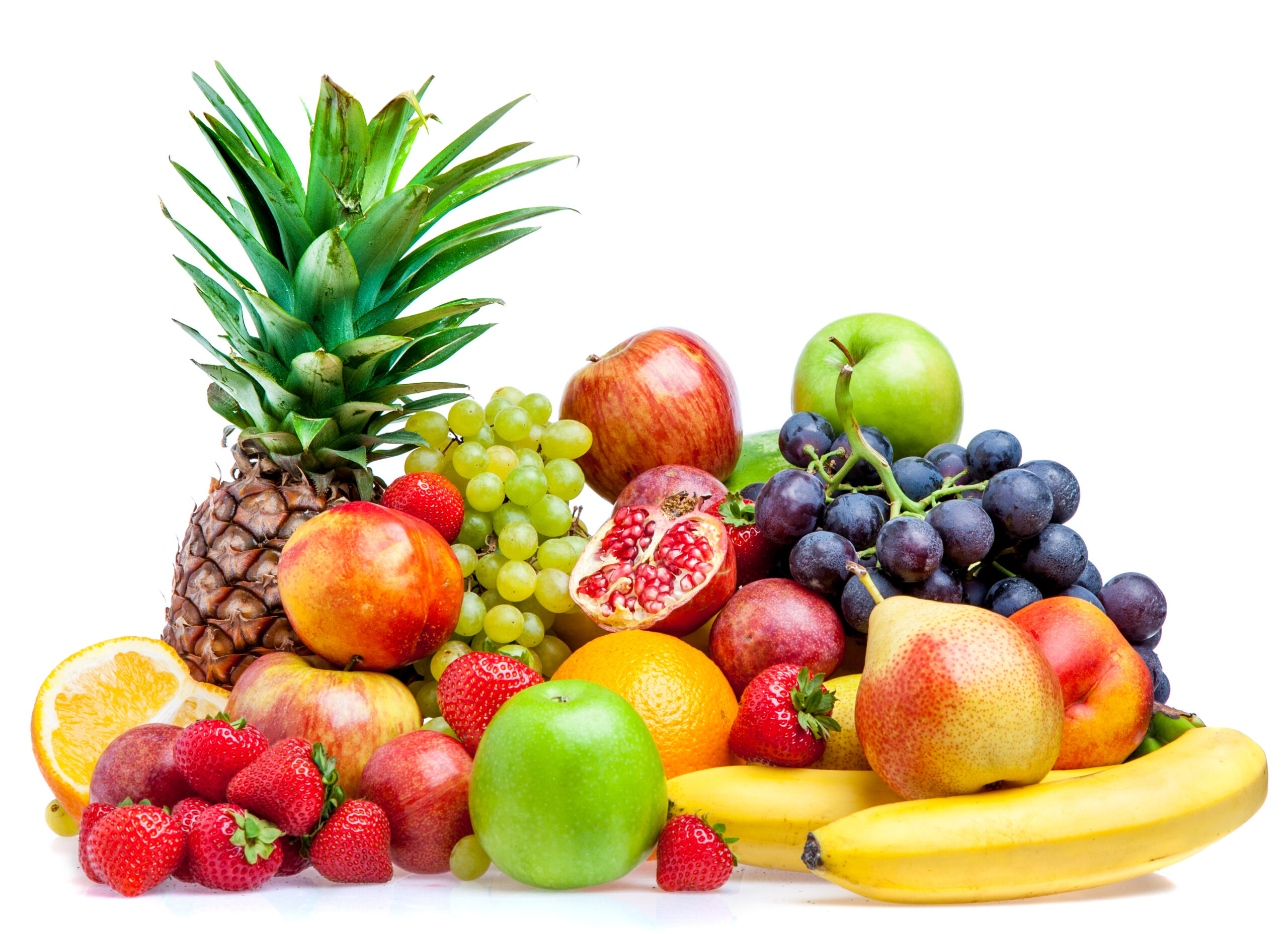
They help replenish glycogen quickly and pair well with post-workout protein shakes. The most practical carb sources come from whole foods that already blend well. Fruit-based carbs like bananas, berries, mango, and pineapple are easy to portion and fit well around training.
Slower-digesting carbs release energy over time and make more sense outside of immediate training windows or on days with higher overall energy demands.
Oats and other grains can be added when more sustained energy is needed. Dairy-based carbs from milk or yogurt can also play a role, depending on tolerance and total calorie needs.
What isn’t worth relying on are added sugars, flavored syrups, or juice-heavy bases. These drive carb intake up quickly and they don’t contribute much to performance, recovery, or overall results.
CONSIDER HEALTHY FATS
Fats aren’t mandatory in a protein smoothie. Their role is different from protein and carbs, and when they’re used, it should be for a clear reason.
What fats bring to a smoothie is calorie density and a slower digestion curve. That can be useful in the right situation, and completely counterproductive in the wrong one.
Unlike protein and carbohydrates, fats don’t help you recover faster or train harder in the short term. They change how a smoothie fits into your day.
WHEN ADDING FAT MAKES SENSE
Fats make the most sense in smoothies that are meant to hold you over. Meal replacements are the obvious example.
Adding a modest amount of fat can help take the edge off hunger and make a shake feel more like actual food.
They can also work well on lower-activity days, during fat-loss phases where appetite control is a challenge, or in morning smoothies when you’re not heading straight into a workout and don’t need rapid digestion.
In those cases, fat isn’t there to boost performance. It’s there to slow things down just enough to make the smoothie useful for longer periods.
But, around training, fats tend to get in the way.
Pre-workout smoothies are better kept light, and post-workout shakes don’t benefit much from added fat. In both situations, digestion speed matters more than staving off hunger pangs and cravings.
Fats can also be a problem in smoothies that already contain a lot of calories from protein and carbs. Adding fat on top doesn’t usually improve the result. It just increases the calorie load.
CHOOSING FAT SOURCES THAT FIT
When fat does belong in a smoothie, simple and familiar whole-food sources are the best option.
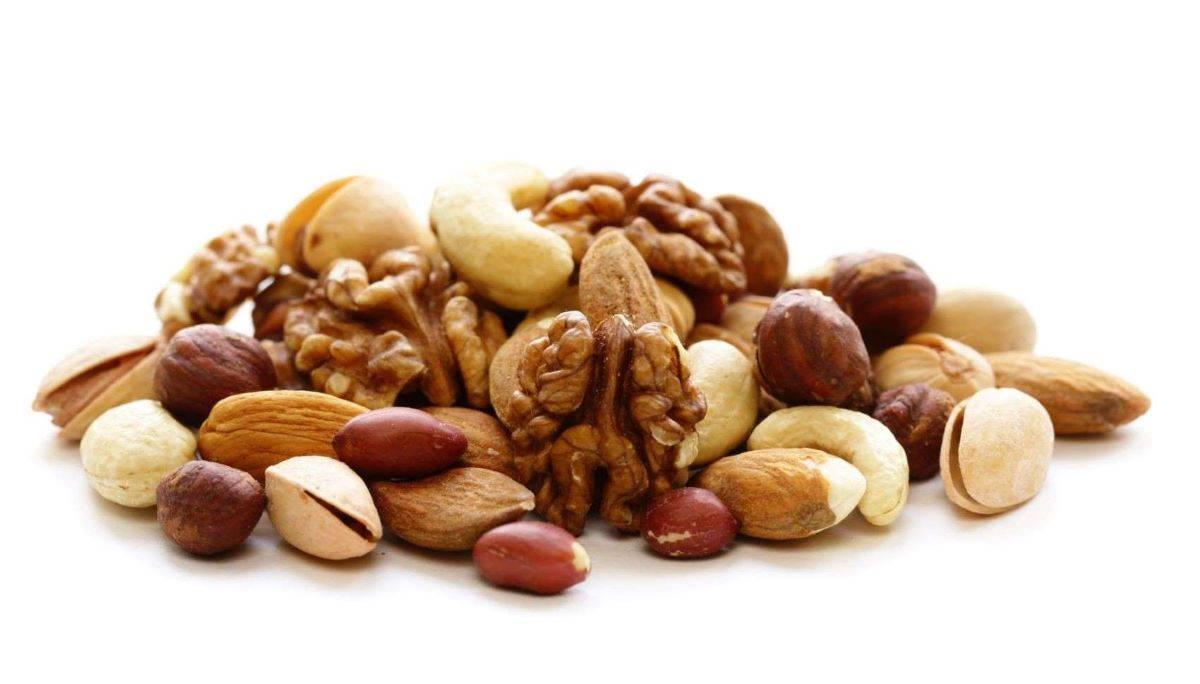
Here’s a go-to grocery list for the best healthy fats for your protein smoothie:
- Peanut butter
- Almond butter
- Cashew butter
- Sunflower seed butter
- Tahini
- Almonds
- Walnuts
- Pecans
- Macadamia nuts
- Chia seeds
- Ground flaxseed
- Hemp seeds
- Avocado
- Full-fat Greek yogurt
- Whole milk
- Kefir (full-fat versions)
- Coconut oil
- MCT oil
One fat source at a time is usually enough, and portions should stay controlled. If a shake starts to feel heavier than expected, too much fat is typically the one to blame.
PRE-WORKOUT PROTEIN SMOOTHIES
Pre-workout smoothies have a very specific job: support training without slowing you down.
These recipes are built to digest cleanly, provide quick energy when needed, and avoid ingredients that sit heavy or compete with performance.
Fat stays low, fiber stays controlled, and protein is present. The goal isn’t to feel full. It’s to feel ready to train.
Each of the recipes below follows those rules while still delivering enough flavor and nutrition to be worth using consistently.
1) ENERGIZING GREEN SMOOTHIE
A light, veggie-forward option that provides hydration, micronutrients, and protein.
- 1 scoop Athlean-Rx PRO-30G Vanilla Bean (Vegan)
- 1 cup unsweetened almond milk
- ½ cup frozen pineapple chunks
- ½ cup frozen mango
- 1 cup fresh spinach
- ¼ cup coconut water
- Ice as needed
Estimated Nutrition Facts:
- Calories: ~260
- Protein: ~30g
- Carbohydrates: ~30g
- Fat: ~4g
2) VANILLA BERRY SHAKE
Simple, light, and dependable. This is an easy go-to when you want fuel and don’t want to overthink it.
- 1 scoop Athlean-Rx PRO-30G French Vanilla Bean
- 1 cup unsweetened almond milk (or skim milk)
- ¾ cup frozen berries
- Ice as needed
Estimated Nutrition Facts:
- Calories: ~240
- Protein: ~30g
- Carbohydrates: ~25g
- Fat: ~3g
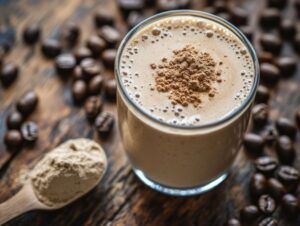
3) BANANA COFFEE PROTEIN SMOOTHIE
For early-morning training sessions when energy matters more than appetite.
- 1 scoop Athlean-Rx PRO-30G Chocolate Fudge Brownie
- ½ medium banana
- ½ cup cold brewed coffee
- ½ cup almond milk or skim milk
- Ice as needed
Estimated Nutrition Facts:
- Calories: ~270
- Protein: ~30g
- Carbohydrates: ~28g
- Fat: ~4g
4) MANGO BERRY PERFORMANCE SHAKE
A slightly higher-carb option for harder training days or longer sessions.
- 1 scoop Athlean-Rx PRO-30G Rich Double Chocolate (Vegan)
- ½ cup frozen mango
- ½ cup frozen strawberries
- ¾ cup coconut water
- ¼ cup almond milk
Estimated Nutrition Facts:
- Calories: ~300
- Protein: ~30g
- Carbohydrates: ~38g
- Fat: ~4g
5) LIGHT STRAWBERRY PROTEIN SMOOTHIE
Minimal ingredients, clean digestion, and no unnecessary extras.
- 1 scoop Athlean-Rx PRO-30G French Vanilla Bean
- 1 cup skim milk or unsweetened almond milk
- ¾ cup frozen strawberries
- Ice as needed
Estimated Nutrition Facts:
- Calories: ~230
- Protein: ~30g
- Carbohydrates: ~24g
- Fat: ~2–3g
POST-WORKOUT RECOVERY PROTEIN SHAKES
Training creates microscopic muscle damage and depletes glycogen. Post-workout shakes should address both while supporting digestion.
These protein shakes are built to deliver amino acids quickly, restore energy, and support recovery so you’re ready to perform again.
Fat stays low, fiber is minimal, and carbohydrates are included where they meaningfully support recovery, not just taste.
Each of the recipes below works as a protein-rich smoothie or post-workout snack for your training demands.
6) CHOCOLATE BANANA RECOVERY SHAKE
Blend all ingredients until smooth and drink within an hour after training.
- 1 scoop Athlean-Rx PRO-30G Chocolate Fudge Brownie
- 1 medium banana
- 1 cup skim milk or low-fat dairy
- 1 tsp cocoa powder
- Ice as needed
Estimated Nutrition Facts:
- Calories: ~360
- Protein: ~30g
- Carbohydrates: ~42g
- Fat: ~4g
7) STRAWBERRY BANANA COCONUT RECOVERY SMOOTHIE
A fruit-and-dairy smoothie that balances carbs and protein for harder training days.
- 1 scoop Athlean-Rx PRO-30G French Vanilla Bean
- ½ cup frozen strawberries
- ½ medium banana
- ¾ cup coconut milk (light) or milk of choice
- ¼ cup strawberry-flavored Greek yogurt
Estimated Nutrition Facts:
- Calories: ~380
- Protein: ~32g
- Carbohydrates: ~45g
- Fat: ~6g
8) BERRY POWER POST-WORKOUT SHAKE
Lower fat, quick carbs, and clean protein. It’s ideal for when recovery speed matters.
- 1 scoop Athlean-Rx PRO-30G French Vanilla Bean
- 1 cup frozen mixed berries
- ¾ cup almond milk
- ¼ cup skim milk
- Optional: monk fruit to taste
Estimated Nutrition Facts:
- Calories: ~310
- Protein: ~30g
- Carbohydrates: ~36g
- Fat: ~3g
9) PEANUT BUTTER COOKIE RECOVERY SHAKE
Best reserved for high-volume training days or calorie-surplus phases.
- 1 scoop Athlean-Rx PRO-30G Cookies and Cream
- ½ banana
- 1 tbsp peanut butter (nut butter)
- 1 cup skim milk
- Ice as needed
Estimated Nutrition Facts:
- Calories: ~420
- Protein: ~32g
- Carbohydrates: ~38g
- Fat: ~9g
10) CREAMY GREEN RECOVERY SMOOTHIE
A recovery shake built around mild greens and easy-to-digest ingredients, designed to support post-training refueling.
- 1 scoop Athlean-Rx PRO-30G French Vanilla Bean
- ¾ cup low-fat kefir or plain low-fat Greek yogurt
- ½ cup cold water (adjust for blendability)
- ½ medium ripe pear (fresh or frozen)
- ½ cup frozen zucchini rounds
- 1 cup chopped romaine or butter lettuce
- Optional: 1 scoop collagen powder
Estimated Nutrition Facts:
- Calories: ~280
- Protein: ~30g
- Carbohydrates: ~30g
- Fat: ~4g
MUSCLE-BUILDING PROTEIN SMOOTHIES
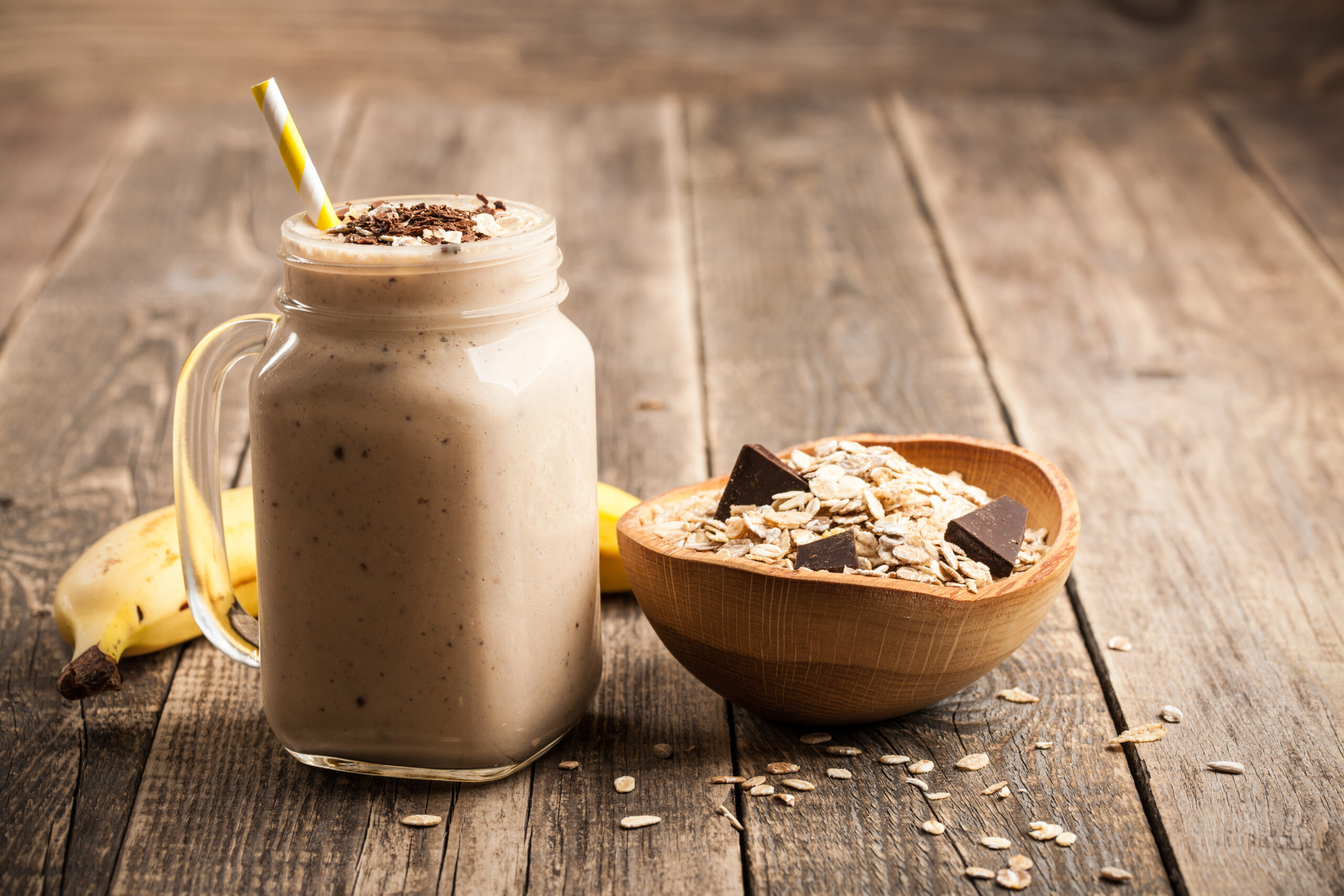
Muscle-building smoothies are about consistency, calories, and coverage, giving your body enough raw material to stay in a calorie surplus without forcing down another full meal.
Unlike post-workout shakes, these smoothies allow room for healthy fats, thicker textures, and denser calories.
Each of the high-protein smoothies below is designed to use between meals, in the morning, or later in the day when growth, not immediate performance, is the priority.
11) BANANA BERRY MASS BUILDER SMOOTHIE
A classic fruit-and-dairy smoothie that’s easy to repeat and easy to scale up.
- 1 scoop Athlean-Rx PRO-30G Belgian Maple Waffle
- 1 frozen banana
- ½ cup frozen mixed berries
- ¾ cup whole milk or milk of choice
- ¼ cup vanilla Greek yogurt
Estimated Nutrition Facts:
- Calories: ~480
- Protein: ~35g
- Carbohydrates: ~55g
- Fat: ~10g
12) CHOCOLATE PEANUT BUTTER GROWTH SHAKE
Dense, slow-digesting, and built for calorie surplus phases.
- 1 scoop Athlean-Rx PRO-30G Chocolate Fudge Brownie
- 1 tbsp peanut butter
- ¾ cup whole milk
- ½ cup frozen fruit (banana or berries)
Estimated Nutrition Facts:
- Calories: ~520
- Protein: ~34g
- Carbohydrates: ~42g
- Fat: ~16g
13) CREAMY VANILLA OAT BUILDER SMOOTHIE
Designed to replace a small meal when you’re short on time.
- 1 scoop Athlean-Rx PRO-30G French Vanilla Bean
- ¼ cup old-fashioned oats (soaked or blended dry)
- ½ cup vanilla Greek yogurt
- ¾ cup milk of choice
Estimated Nutrition Facts:
- Calories: ~500
- Protein: ~36g
- Carbohydrates: ~50g
- Fat: ~11g
14) CHOCOLATE COFFEE BULKING SHAKE
Blend until smooth. Best used earlier in the day.
- 1 scoop Athlean-Rx PRO-30G Chocolate Salted Caramel
- ½ frozen banana
- ½ tsp instant coffee
- ¾ cup whole milk
- Optional: ¼ cup pasteurized egg whites for added protein
Estimated Nutrition Facts:
- Calories: ~510
- Protein: ~38g
- Carbohydrates: ~40g
- Fat: ~12g
15) MAPLE CINNAMON SMOOTHIE BOWLS
Blend thick. Pour into a bowl and enjoy. Optional garnish with graham cracker crumbs if calories allow.
- 1 scoop Athlean-Rx PRO-30G Belgian Maple Waffle
- ½ cup frozen fruit
- ¼ cup vanilla Greek yogurt
- ½ cup milk of choice
Estimated Nutrition Facts:
- Calories: ~490
- Protein: ~34g
- Carbohydrates: ~48g
- Fat: ~11g
FAT-LOSS / APPETITE-CONTROL PROTEIN SMOOTHIES
Fat-loss smoothies succeed or fail based on one thing: how well they control appetite without boosting calories.
These recipes are built to slow digestion just enough, keep protein high, and eliminate the common traps that quietly stall weight management.
They’re not meant to feel indulgent or heavy. They’re meant to work by keeping hunger in check between meals or replacing a low-value snack with structured nutrition made from all-natural ingredients.
Each of the high-protein smoothies below are designed to support fat loss. No worries about relying on artificial ingredients or sugar-loaded options.
16) CHOCOLATE GREENS FAT-LOSS SHAKE
A creamy shake that looks indulgent but stays calorie aware.
- 1 scoop Athlean-Rx PRO-30G Chocolate Fudge Brownie
- 1 cup unsweetened almond milk
- 1 cup spinach
- 1 tbsp cocoa powder
- Ice as needed
Estimated Nutrition Facts:
- Calories: ~260
- Protein: ~30g
- Carbohydrates: ~10g
- Fat: ~4g
17) BERRY PROTEIN APPETITE-CONTROL SMOOTHIE
A fruit-based shake that delivers sweetness while keeping appetite stable.
- 1 scoop Athlean-Rx PRO-30G French Vanilla Bean
- ¾ cup frozen mixed berries
- ½ cup water
- ¼ cup low-fat Greek yogurt
Estimated Nutrition Facts:
- Calories: ~280
- Protein: ~32g
- Carbohydrates: ~18g
- Fat: ~3g
18) BONE BROTH VANILLA CREAMY SHAKE
Unconventional, but extremely effective for appetite control.
- 1 scoop Athlean-Rx PRO-30G French Vanilla Bean
- ¾ cup chilled bone broth (plain, low sodium)
- ¼ cup water
- Ice as needed
Estimated Nutrition Facts:
- Calories: ~230
- Protein: ~30g
- Carbohydrates: ~4g
- Fat: ~2g
19) LOW-CARB CHOCOLATE PROTEIN SHAKE (KETO DIET FRIENDLY)
Best suited for lower-carb or keto diet approaches.
- 1 scoop Athlean-Rx PRO-30G Rich Double Chocolate (Vegan)
- 1 cup unsweetened almond milk
- 1 tbsp cocoa powder
- Ice as needed
Estimated Nutrition Facts:
- Calories: ~240
- Protein: ~30g
- Carbohydrates: ~6g
- Fat: ~5g
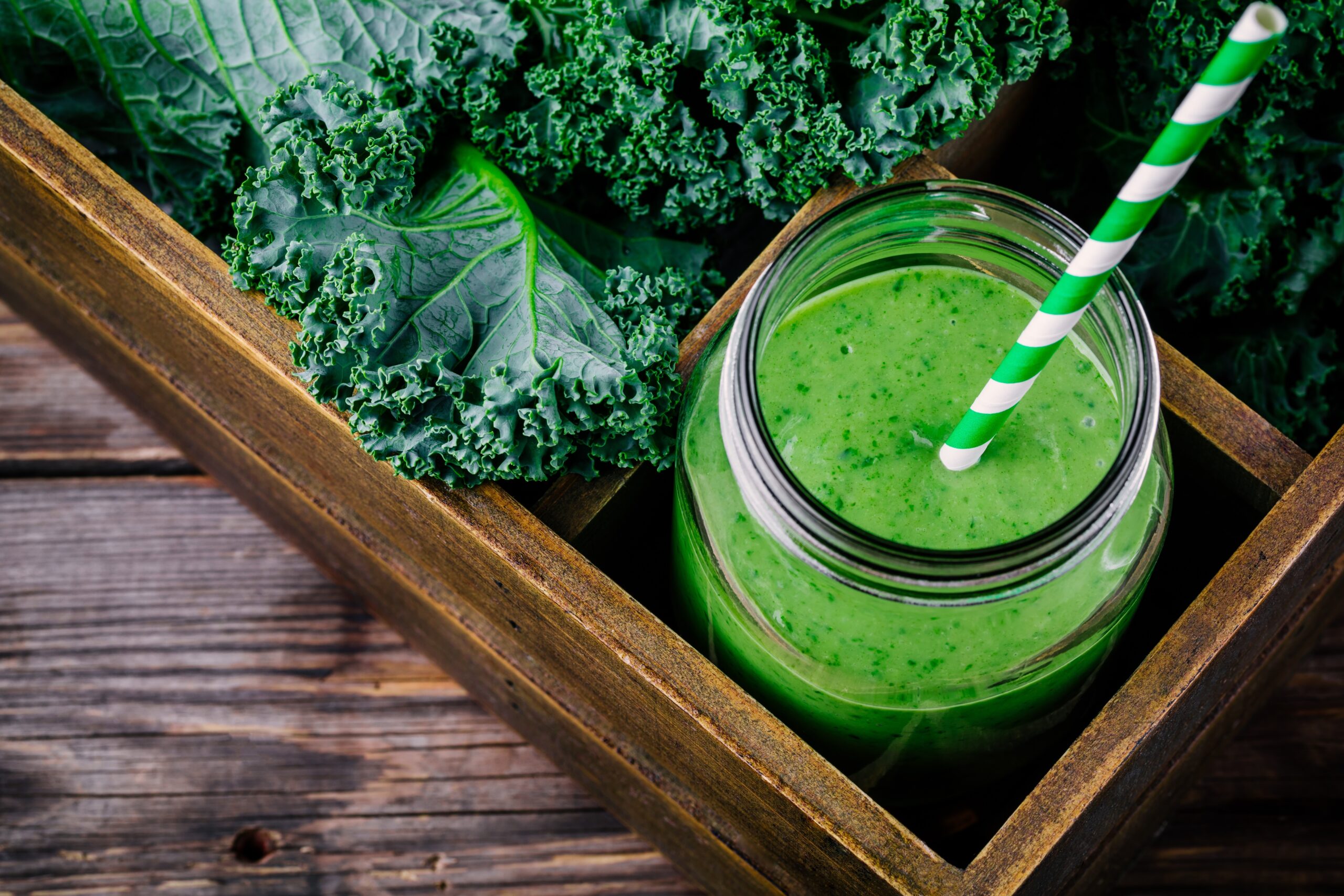
20) GREEN PROTEIN LONGEVITY SMOOTHIE
Veggie-forward smoothies are perfect for daily consistency. Blend until smooth. Keep fruit minimal.
- 1 scoop Athlean-Rx PRO-30G Vanilla Bean (Vegan)
- 1 cup unsweetened almond milk
- 1 cup spinach or mixed greens
- ½ green apple (optional, small portion)
Estimated Nutrition Facts:
- Calories: ~270
- Protein: ~30g
- Carbohydrates: ~14g
- Fat: ~4g
MEAL REPLACEMENT PROTEIN SMOOTHIES
Meal-replacement smoothies aren’t about speed, calorie restriction, or training windows. They exist for busy mornings, missed lunches, or days when sitting down to eat just isn’t happening.
Unlike fat-loss shakes, these smoothies are meant to hold you over for hours. They combine protein with enough carbohydrates and fats to function as a complete eating occasion, not a temporary fix.
Personal portions matter here, but so does balance.
Each of these high-protein smoothies can stand in for a meal and you won’t be chasing hunger an hour later.
21) VANILLA BERRY BALANCED MEAL SMOOTHIE
Fruit-and-dairy smoothies cover protein, carbs, and texture.
- 1 scoop Athlean-Rx PRO-30G French Vanilla Bean
- 1 cup frozen mixed berries
- ¾ cup milk of choice
- ¼ cup vanilla Greek yogurt
- Ice as needed
Estimated Nutrition Facts:
- Calories: ~430
- Protein: ~34g
- Carbohydrates: ~45g
- Fat: ~10g
22) CHOCOLATE OATMEAL REPLACEMENT SHAKE
Blend thoroughly until the oats are fully incorporated.
- 1 scoop Athlean-Rx PRO-30G Chocolate Fudge Brownie
- ¼ cup old-fashioned oats
- ¾ cup milk of choice
- ½ frozen banana
Estimated Nutrition Facts:
- Calories: ~470
- Protein: ~36g
- Carbohydrates: ~50g
- Fat: ~12g
23) FRUITY DELIGHT PROTEIN SMOOTHIE BOWLS
A thicker, bowl-style option for when you want something that feels like a meal, not just a drink.
- 1 scoop Athlean-Rx PRO-30G French Vanilla Bean
- ½ cup frozen fruit
- ½ cup milk of choice
- ¼ cup vanilla Greek yogurt
Estimated Nutrition Facts:
- Calories: ~450
- Protein: ~35g
- Carbohydrates: ~44g
- Fat: ~11g
24) CHOCOLATE NUT BUTTER MEAL SHAKE
Denser calories with slower digestion. It’s ideal when meals will be delayed.
- 1 scoop Athlean-Rx PRO-30G Cookies and Cream
- 1 tbsp nut butter
- ¾ cup milk of choice
- ½ cup frozen fruit
Estimated Nutrition Facts:
- Calories: ~510
- Protein: ~34g
- Carbohydrates: ~42g
- Fat: ~17g
25) CHOCOLATE WHEY POWER MEAL SMOOTHIE
A simple option when you want solid nutrition and nothing extra.
- 1 scoop Athlean-Rx PRO-30G Chocolate Salted Caramel
- 1 cup milk of choice
- ½ frozen banana
Estimated Nutrition Facts:
- Calories: ~440
- Protein: ~30g
- Carbohydrates: ~40g
- Fat: ~9g
EVENING / BEFORE-BED PROTEIN SMOOTHIES
Evening protein smoothies exist to supply amino acids during a long overnight fast while keeping digestion calm and blood sugar steady.
These smoothies avoid fast carbs, stimulants, and heavy ingredients that just sit in your stomach.
They’re designed to be easy to drink, easy to digest, and easy to repeat, especially if late-night hunger tends to derail consistency.
Each option below keeps protein high while stripping away anything that doesn’t belong late in the day.
26) CHOCOLATE NIGHT RECOVERY SHAKE
Simple, controlled, and built for repeat use. Blend until smooth and enjoy.
- 1 scoop Athlean-Rx PRO-30G Chocolate Fudge Brownie
- 1 cup unsweetened almond milk
- Ice as needed
Estimated Nutrition Facts:
- Calories: ~210
- Protein: ~30g
- Carbohydrates: ~5g
- Fat: ~4g
27) VANILLA CALM EVENING SHAKE
A neutral option for those who prefer minimal sweetness at night.
- 1 scoop Athlean-Rx PRO-30G French Vanilla Bean
- ¾ cup almond milk
- ¼ cup water
Estimated Nutrition Facts:
- Calories: ~200
- Protein: ~30g
- Carbohydrates: ~4g
- Fat: ~3g
28) LIGHT CHOCOLATE PROTEIN NIGHTCAP
Gives you real chocolate flavor without turning the shake into dessert.
- 1 scoop Athlean-Rx PRO-30G Chocolate Salted Caramel
- 1 cup skim milk
- Ice as needed
Estimated Nutrition Facts:
- Calories: ~240
- Protein: ~32g
- Carbohydrates: ~10g
- Fat: ~4g
29) VEGAN EVENING RECOVERY SMOOTHIE
Plant-based and low-impact that’s great for the evening.
- 1 scoop Athlean-Rx PRO-30G Vanilla Bean (Vegan)
- 1 cup unsweetened almond milk
- Ice as needed
Estimated Nutrition Facts:
- Calories: ~210
- Protein: ~30g
- Carbohydrates: ~6g
- Fat: ~4g
30) CHOCOLATE WHEY WIND-DOWN SHAKE
For nights when appetite is low, but protein still matters.
- 1 scoop Athlean-Rx PRO-30G Chocolate Fudge Brownie
- Cold water to desired consistency
Estimated Nutrition Facts:
- Calories: ~170
- Protein: ~30g
- Carbohydrates: ~3g
- Fat: ~2g
Protein shakes only work when they’re built with intention, not when they’re treated like liquid desserts.
When protein, fiber, carbs, and fats are added based on timing, training demands, and total calories, a smoothie becomes a repeatable tool.
Use these protein shake recipes as frameworks, adjust portions to your goals, and let the shake support what you’re trying to do that day.
Check out our complete line of ATHLEAN-RX Supplements and find the best training program for you based on your fitness level and goals.

- Three factors determine how you should make a protein shake: fitness goal, timing, and allotted caloric intake.
- Protein powder is the anchor. On the label, look for 25g+ protein per serving, complete amino acids, low added sugar, clean digestion, and a short ingredient list you can understand.
- Fiber makes a protein smoothie more filling and helps you stay satisfied. Skip juice and use whole fruits/whole foods. Choose one main fiber source. Lighter picks like greens/berries for faster digestion, or heavier picks like chia/flax/oats/psyllium for a more meal-like shake.
- Carbs are fuel that’s used based on demand. Higher training volume calls for more to support performance and recovery. Low activity or cutting tightens them. Carbs answer one question: what does this shake let you do next: train harder, recover faster, power a high-output day, or simply stay on plan while avoiding overeating later?
- Fats are optional and they slow everything down. Great for meal replacements and long gaps between meals. Choose one fat source max. Nut butter, avocado, full-fat Greek yogurt, whole milk, seeds.
- Once you understand the four non-negotiables (protein, fiber, carbs, fats), you can swap ingredients without turning the smoothie into a calorie gamble.
- Use these recipe categories as templates: pre-workout, post-workout, muscle-building, fat-loss/appetite control, meal replacement, evening/before bed.
- If you want consistency, make the shake repeatable. The best protein smoothie recipes aren’t complicated. They’re predictable, easy to portion, and matched to the day’s demands.
PROTEIN SHAKES FAQ
Start by deciding what job the shake is doing. If you skip that step, you end up with a random blend that tastes fine but doesn’t move anything forward.
Pick the Base First: Use water if you want the lowest calorie option and fastest digestion. Use unsweetened almond milk for a little more body and no big calorie jump. Use milk of choice (including skim milk or regular milk) when the shake needs to function more like food.
Lock in Protein: One scoop of Athlean-Rx PRO-30G gives you a predictable protein hit and it doesn’t need to earn it through extra ingredients. Pick the flavor based on the recipe: chocolate for cocoa/coffee ideas, vanilla for fruit and green blends, cookies and cream for nut butter recipes, etc.
Add to Support: Here’s an easy breakdown of what you can throw in your protein smoothie based on why you’re drinking it:
- Pre-Workout: Keep it light with a small fruit portion, low fat, low fiber.
- Post-Workout: Fruit is useful here because it brings carbs alongside micronutrients.
- Fat-Loss: Fiber-forward choices and tighter calories; don’t sneak in “extras.”
- Meal Replacement: Use one carb source and one fat source so it holds you over.
- Evening: Keep carbs low and avoid anything that ramps appetite.
If you want a simple rule that helps: protein + one “support” ingredient (fruit or oats or yogurt or nut butter) is usually enough.
Yes! As long as it’s solving a real nutrition problem and not creating a new one.
A daily shake makes sense when you’re consistently falling short on protein from meals. It’s a tool for reliability.
A shake can be 200 calories or 700 calories depending on what you toss in. If fat loss is the goal, daily shakes need tighter recipes. If muscle-building is the goal, daily shakes can be higher calorie, but they still need structure.
If you feel bloated, sluggish, or unusually hungry later, your shake is probably mismatched to your day.
That usually comes from two things: low-quality powders with too many additives, or recipes that are overloaded with fiber/fat when you didn’t need them.
So yes, daily is fine. But daily should look like repeatable basics, not a different “kitchen sink smoothie” every time.
Here’s what to avoid when you’re making a protein shake or smoothie along with what to do instead.
Juice-Heavy Bases: Juice makes a shake sweeter and higher-calorie fast, but it doesn’t deliver the same effect as whole fruit. If you want the flavor of juice, use whole fruit and water/coconut water instead. You still get carbs, you still get taste, and you don’t turn the shake into a sugar drink. “Natural” and “organic” juice labels don’t change the outcome. It’s still concentrated sugar.
Dessert Add-Ons: Syrups, sweetened creamers, cookie crumbles, and flavored sauces don’t support training, recovery, or body composition. They support your taste buds. That’s it. If you want a richer flavor, use cocoa powder, instant coffee, or a better protein flavor (Chocolate Fudge Brownie, Chocolate Salted Caramel, Mint Chocolate Chip). You get the taste without turning the recipe into a candy drink.
“Masking” Ingredients: When a powder needs a long list of gums, emulsifiers, and flavor systems, it’s often compensating for something like texture, sourcing, or processing. Scan for multiple thickeners like xanthan gum, guar gum, or carrageenan, plus a long chain of “natural flavors.” One thickener isn’t automatically a dealbreaker, but when the list reads like a food lab, it is probably best to put it back on the shelf.
Too Many “Healthy” Ingredients: The mistake isn’t using oats, chia, nut butter, yogurt, and fruit. The mistake is using all of them at once when the shake doesn’t need it. Choose one of these per shake:
- a fiber driver (chia / flax / oats) or
- a fat source (nut butter / avocado) or
- a dairy add-in (Greek yogurt / milk)
That keeps the shake aligned to your category instead of drifting into a heavy, high-calorie mess.
Jeff Cavaliere M.S.P.T, CSCS
Jeff Cavaliere is a Physical Therapist, Strength Coach and creator of the ATHLEAN-X Training Programs and ATHLEAN-Rx Supplements. He has a Masters in Physical Therapy (MSPT) and has worked as Head Physical Therapist for the New York Mets, as well as training many elite professional athletes in Major League Baseball, NFL, MMA and professional wrestling. His programs produce “next level” achievements in muscle size, strength and performance for professional athletes and anyone looking to build a muscular athletic physique.