





WHY CHOOSE avocados?
It showed up at a cookout next to a bowl of chips, and the rest of the year I barely gave it a thought.
Not anymore.
Now, you’ll find avocado on breakfast toast, blended into smoothies, sliced over salads, and packed into rice bowls. But most people choose avocado for its flavor and texture, rather than because of protein content.
If you’re thinking about adding avocado to your meal plans, you may be wondering:
Does avocado have protein? What other nutrients does it have?
In this guide, I’ll break down how much protein an avocado has, what the rest of avocado nutrition adds up to, how it compares to the foods you rely on for protein, and how to fit it into a high-protein diet.
AVOCADO PROTEIN NUMBERS
Avocado flesh does have protein. There just isn’t much of it.
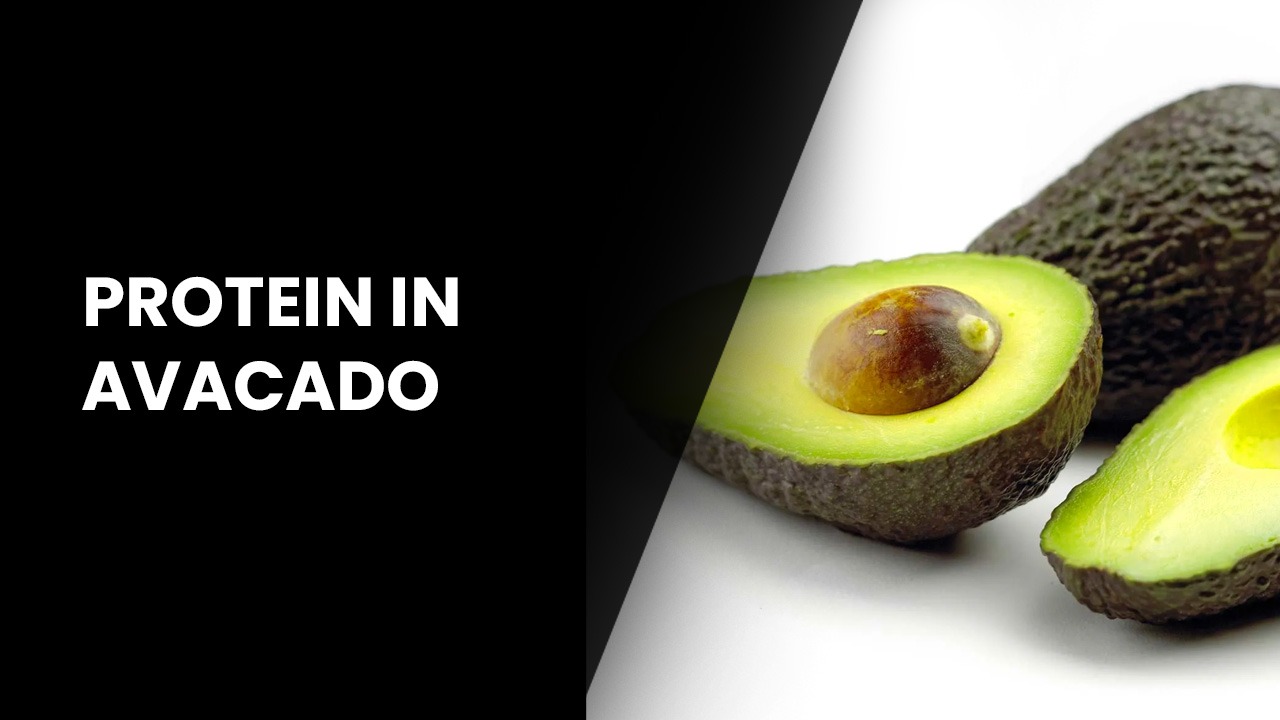
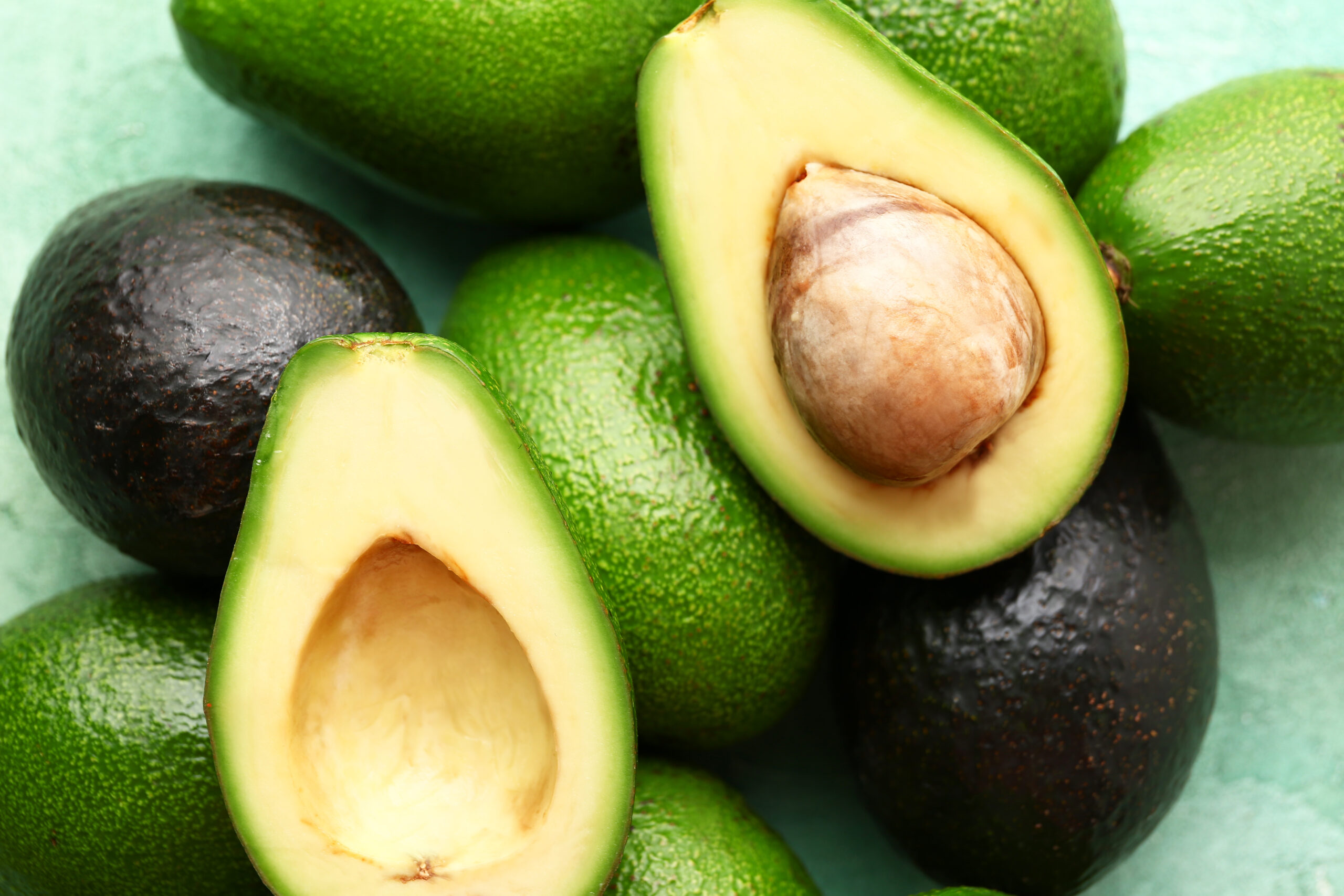
Most of what you buy in U.S. stores are Hass avocados, the smaller ones with dark, bumpy skin and a big avocado seed inside.
A medium Hass has about 5 ounces of edible fruit once the pit and skin are gone, and that’s the serving these numbers are based on.
Across the portions you’re likely to eat, the protein breaks down like this:
| SERVING | PROTEIN | CALORIES | FAT | FIBER |
| 1 oz (28 g) | under 1 g | 45 | 4 g | 2 g |
| Half a medium avocado (75 g) | ~1.5 g | 120 | 11 g | 5 g |
| Whole medium avocado (150 g) | 3 g | 240 | 22 g | 10 g |
| Per 100 g | 2 g | 160 | 15 g | 7 g |
Notice what happens as the portion grows. The protein content barely moves, while the total fat and total calories climb in a hurry.
A whole avocado has 240 calories and only 3 grams of protein. That’s a fat source, not a protein source.
Its carbs are low too, and most of them come from fiber, so there’s little sugar or starch in there either.
A bigger piece of fruit doesn’t change the story. A large California or Florida avocado can run 7 ounces or more and push past 320 calories, but the protein still tops out around 4 or 5 grams.
More avocado means more dietary fat and more calories long before it means more protein.
You might have heard avocado called a “complete protein.” That part is true.
It contains all nine essential amino acids; the building blocks your body can’t make on its own and has to get from food.
But “complete” only describes the kind of protein, not how much of it is there.
A food can be a complete protein and still be a poor source of it. Avocado is the textbook case.
HOW IT COMPARES TO REAL PROTEIN SOURCES
The fastest way to see where avocado lands is to set it next to the foods you’d reach for to hit your protein.
| FOOD (SERVING) | PROTEIN | CALORIES |
| Half a medium avocado (75 g) | ~1.5 g | 120 |
| Whole medium avocado (150 g) | 3 g | 240 |
| 2 large eggs | 13 g | 145 |
| Greek yogurt, plain nonfat (170 g) | 17 g | 100 |
| Firm tofu (100 g) | 17 g | 145 |
| Smoked salmon (3 oz) | 21 g | 120 |
| Chicken breast, cooked (3 oz) | 26 g | 130 |
As you can see, the numbers aren’t close.
A whole avocado has 3 grams of protein. Three ounces of chicken has 26 grams of protein.
Whether you’re looking at animal-based protein sources like eggs, smoked salmon, and chicken, or a plant-based source like tofu, every one of them beats avocado easily, and most do it for the same calories or fewer.
Even plain Greek yogurt, which a lot of guys treat as a snack, has close to six times the protein of a whole avocado for less than half the calories.
Right about now, you might be thinking…
“Jeff, if I’m not eating avocado for protein, why am I bothering to eat it at all?”
That’s the part that matters, and it has nothing to do with the protein column.
AVOCADO NUTRITION
Avocado isn’t a protein food. It’s a fat-and-fiber food, and that’s where its benefits come from.
There are more of them than most people expect.
Gram for gram, avocado is one of the more nutrient-rich foods you can put on a plate. Start with the fat.
HEALTHY FATS
Most of the calories in an avocado come from fat. That’s not a knock on it. It’s the whole reason you should be eating it.
A whole avocado has about 22 grams of fat.
The bulk of it, around 15 grams, is monounsaturated fat. Only about 3 grams is saturated fat, and there’s no cholesterol at all.
Monounsaturated fats are the type nutritionists call heart healthy. It’s the fat that makes up most of olive oil, and in avocado it shows up mainly as oleic acid.
People oversell the health side of avocado, so let me be precise.
Swapping saturated fat for unsaturated fat like avocados is associated with lower LDL cholesterol, the type tied to heart disease.
But that comes from the overall pattern of fat in your diet. Avocado won’t lower your cholesterol levels on its own. No single food does that.
You see this fat at the center of the Mediterranean diet, the olive-oil-and-fish way of eating that’s long been linked to better heart health. A diet rich in monounsaturated fatty acids is a big part of why, and avocado fits right in.
Avocado oil is just the oil pressed from the fruit. It’s mostly oleic acid, it handles heat well, and it works fine for cooking. It’s a good oil, nothing more.
One note: you’ll sometimes see avocado sold as a source of omega-3 fats. It has a trace, but only a trace. If omega-3 fatty acids are the goal, opt for fatty fish such as salmon, not avocado.
FIBER
The other half of avocado’s story is fiber.
A whole one has about 10 grams of dietary fiber. Most men are told to aim for somewhere around 30 to 38 grams a day, and most don’t get there.
One avocado covers a sizable chunk of that.
Fiber is the part of a plant that your body can’t break down. It slows digestion, keeps you full longer, and feeds the bacteria in your gut.
That fullness is the practical payoff for anyone managing calories.
Compared to the quick carbs in a carbohydrate-rich diet, the fiber and fat in avocado keep you satisfied for longer.
There’s almost no sugar in there either. Total sugars come in under a gram, so avocado won’t spike your blood sugar the way sweeter fruit can.
POTASSIUM, VITAMINS, AND MINERALS
Fat and fiber are what avocado has the most of, but it also offers a range of vitamins and minerals, the kind your body needs in small amounts to run well.
Avocado packs more of them than most fruit does. It covers a good share of several daily targets, including a couple of B vitamins:
Potassium: A whole avocado has more than 700 milligrams, beating the roughly 420 milligrams in a banana. Potassium offsets sodium in the body, and diets high in potassium and lower in sodium are associated with healthier blood pressure. That’s the idea behind DASH diets, an eating plan designed to help manage blood pressure.
Folate (B9): About 30% of your daily target. Folate is a B vitamin your body uses to make new cells and DNA.
Vitamin K: About 30% of your daily needs. It handles blood clotting and supports bone health.
Pantothenic acid (B5): Around 40% of your daily target. B5 helps turn the food you eat into usable energy.
Vitamin E: About 20% of your daily needs. Vitamin E is an antioxidant, which means it helps shield your cells from damage.
Vitamin C: Roughly 15% of your daily target. Another antioxidant, and one your body uses to build and repair tissue.
ANTIOXIDANTS AND EYE HEALTH
Avocado also contains two carotenoids called lutein and zeaxanthin.
Carotenoids are plant pigments, and these two collect in the back of your eye, in the part of the retina responsible for sharp, central vision.
Higher intake of lutein and zeaxanthin is associated with a lower risk of age-related macular degeneration, one of the leading causes of vision loss as people age.
Avocado isn’t the richest source. Leafy greens like spinach and kale have far more. But the lutein in avocado seems to absorb well, probably because it comes wrapped in fat.
The fat does one more thing. Some nutrients are fat-soluble, which means your body can only take them in when there’s fat around. The fat in avocado helps your body pull them out of the rest of your meal.
Those antioxidant compounds, plus vitamin E, are why avocado gets tied to fighting oxidative stress, the slow cellular wear linked to aging, and to skin health.
Put it together and avocado is a nutrient-dense food: healthy fats, a load of fiber, potassium, folate, and antioxidants your body can use.
So don’t skip it! Use it for what it’s good at and pair it with a protein for the rest.
HOW TO PAIR AVOCADO WITH PROTEIN
Avocado has a place in every high-protein diet. These recipes show you where.
Below are eleven ways to work it into a healthy week of eating, from a morning shake to dessert, using both animal and plant proteins.
Each recipe leads with a strong protein source, then adds avocado for the creaminess, healthy fat, and fiber that keep you satisfied.
Rotate a few of these through your meal plan and the protein adds up on its own.
AVOCADO PROTEIN SHAKE
The fastest way to put avocado to work. The powder handles the protein, and the avocado replaces the banana or nut butter people usually blend in for thickness, trading the extra sugar for fiber.
INGREDIENTS
- 1 scoop ATHLEAN-RX PRO-30G French Vanilla Bean
- 1/2 medium avocado
- 1 cup milk
- handful of ice
- 1/2 teaspoon ground cinnamon (optional)
HOW TO MAKE IT
- Pour the milk into the blender first so the powder doesn’t cake on the bottom.
- Add the PRO-30G, the avocado (scooped out of the skin), and the cinnamon.
- Blend for about 30 seconds, until there are no green flecks left.
- Add the ice and blend another 20 to 30 seconds, until thick and cold.
- If it’s too thick to drink through a straw, add milk or water a splash at a time and pulse.
NUTRITIONAL INFORMATION
- Protein: about 40 g
PLANT-BASED AVOCADO PROTEIN SHAKE
No dairy, no drop in protein. One scoop of Vegan PRO-30G still puts 30 grams in the cup, and the avocado keeps the shake every bit as thick.
INGREDIENTS
- 1 scoop ATHLEAN-RX PRO-30G Vegan
- 1/2 medium avocado
- 1 cup unsweetened almond milk
- handful of ice
HOW TO MAKE IT
- Add the almond milk to the blender, then the Vegan PRO-30G and the avocado.
- Blend for about 30 seconds, until completely smooth.
- Drop in the ice and blend until it’s cold and creamy.
- Plant proteins tend to blend up thicker than whey, so expect to add an extra splash of almond milk to loosen it.
NUTRITIONAL INFORMATION
- Protein: about 32 g (swap in soy milk for roughly 6 more grams)
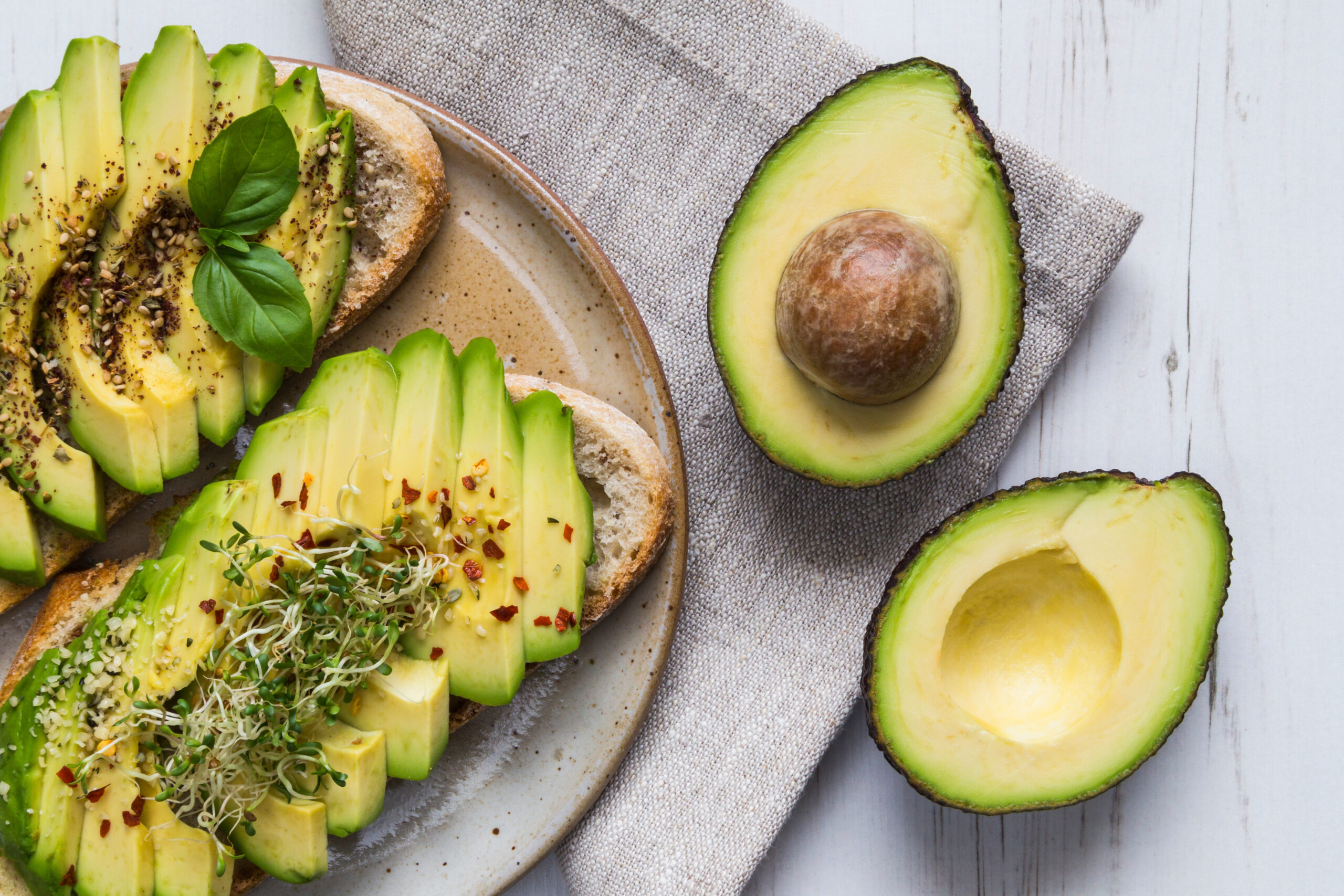
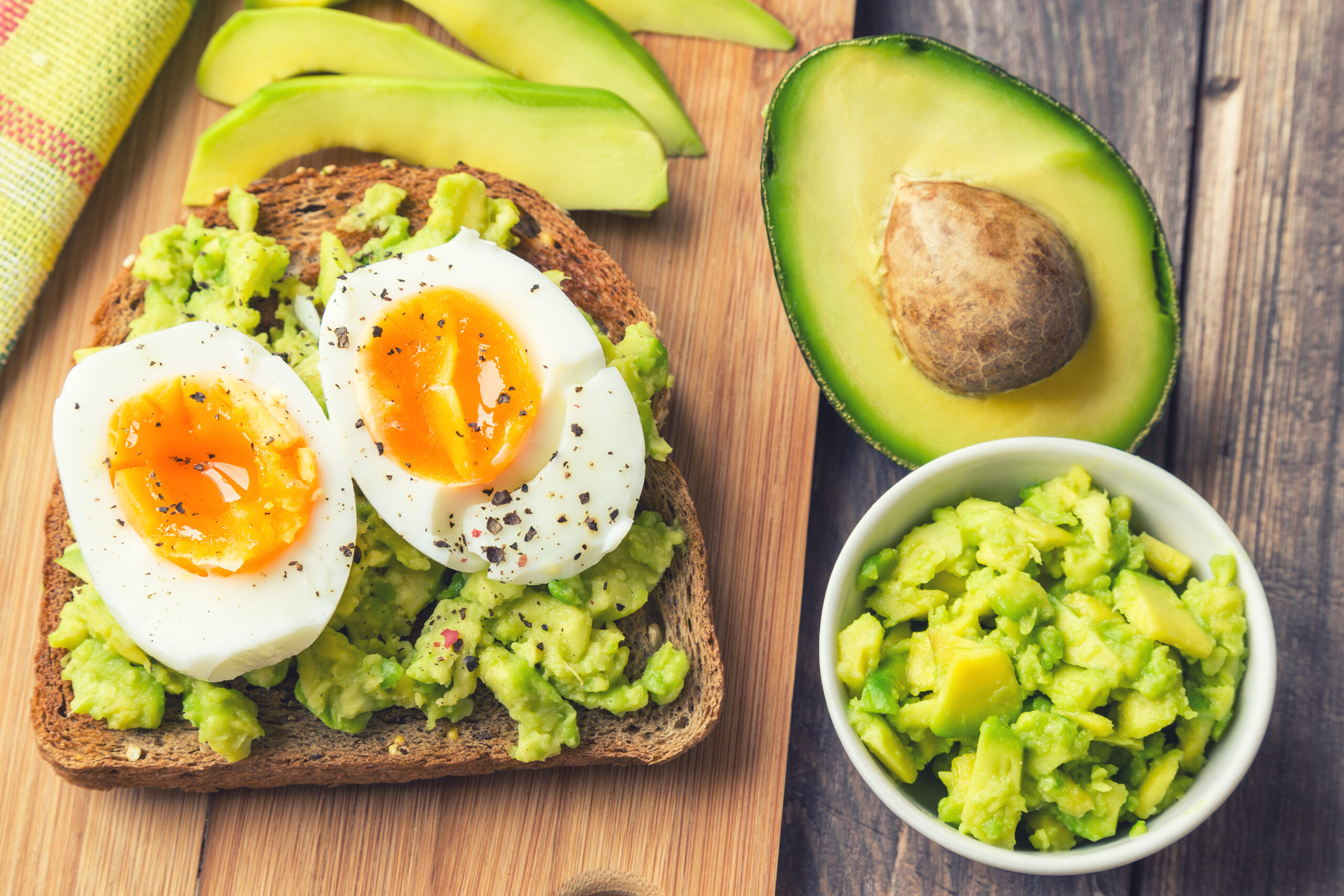
EGGS AND AVOCADO TOAST
Avocado toast already wins on taste. Two eggs on top turn it into a complete breakfast: protein, healthy fat, fiber, and whole-grain carbs on one slice.
INGREDIENTS
- 2 large eggs
- 1 slice whole-wheat bread
- 1/2 medium avocado
- black pepper
- everything bagel seasoning (optional)
HOW TO MAKE IT
- Toast the whole-wheat bread until golden and firm enough to hold the toppings.
- Scoop half an avocado into a small bowl, add a pinch of salt, and mash it with a fork until it’s spreadable but still a little chunky.
- Heat a nonstick pan over medium heat and fry the eggs for 2 to 3 minutes for runny yolks or flip them for a minute if you want them set. Scrambled works fine too.
- Spread the avocado on the toast, slide the eggs on top, and finish with black pepper or a shake of bagel seasoning.
NUTRITIONAL INFORMATION
- Protein: about 18 g
AVOCADO TUNA SALAD
Mashed avocado stands in for mayo here, and the swap is the whole point. Tuna for the protein, avocado for the fat.
INGREDIENTS
- 1 can (5 oz) tuna in water, drained
- 1/2 medium avocado
- juice of half a lemon
- 1 celery stalk, diced
- salt and pepper to taste
HOW TO MAKE IT
- Drain the tuna well, pressing the lid into the can to squeeze out the water.
- Scoop the avocado into a bowl, add the lemon juice, and mash with a fork until it’s about the consistency of mayo.
- Flake the tuna into the bowl, add the diced celery, and fold everything together.
- Season with salt and pepper, then eat it as-is, over greens, or on toast.
- The lemon juice also keeps the avocado from going brown if you’re packing this for later.
NUTRITIONAL INFORMATION
- Protein: about 25 g
GREEK YOGURT AND AVOCADO BOWL
Greek yogurt and avocado sounds like a strange pair until you treat it as a savory dip. It lands somewhere between guacamole and crema, with the yogurt supplying the protein.
INGREDIENTS
- 1 single-serve container (about 6 oz) plain nonfat Greek yogurt
- 1/2 medium avocado
- juice of half a lime
- 1/4 teaspoon garlic powder
- pinch of salt
HOW TO MAKE IT
- Empty the yogurt into a bowl and add the avocado, lime juice, garlic powder, and salt.
- For a chunky dip, mash it together with a fork and leave some texture.
- For a smooth crema, run everything in a blender or food processor for 20 to 30 seconds instead.
- Taste it and adjust the lime and salt before serving.
- Use it as a dip for vegetables, a sandwich spread, or a topping for chicken and tacos.
NUTRITIONAL INFORMATION
- Protein: about 18 g
SMOKED SALMON AND AVOCADO PLATE
Lox and cream cheese, rebuilt. The avocado takes the cream cheese slot, and the salmon keeps the protein where it belongs.
INGREDIENTS
- 3 oz smoked salmon
- 1/2 medium avocado, sliced
- 1/2 cucumber, sliced
- 1 teaspoon capers (optional)
- lemon wedge
HOW TO MAKE IT
- Slice the cucumber into thin rounds and lay them across one side of a plate.
- Cut half an avocado into strips and fan them out next to the cucumber.
- Drape the smoked salmon in loose folds rather than flat slices, so it’s easier to pick up.
- Scatter the capers over the salmon, squeeze the lemon over the whole plate, and finish with a crack of pepper.
NUTRITIONAL INFORMATION
- Protein: about 22 g
CHICKEN AND AVOCADO SALAD
The weekday default. The chicken supplies the protein, and the avocado replaces half the dressing.
INGREDIENTS
- 3 oz cooked chicken breast, sliced
- 1/2 medium avocado, diced
- 2 cups mixed greens
- handful of cherry tomatoes
- olive oil, lime juice, and salt to dress
HOW TO MAKE IT
- If you’re cooking the chicken fresh, season it with salt and pepper and sear it in a pan over medium-high heat for 5 to 6 minutes per side, until it hits 165°F inside. Let it rest 5 minutes before slicing. Leftover or rotisserie chicken works just as well.
- Whisk a glug of olive oil, the lime juice, and a pinch of salt in the bottom of a large bowl.
- Add the greens and halved cherry tomatoes and toss them in the dressing.
- Top with the sliced chicken and diced avocado.
- Want it to be portable? Roll the whole thing into a whole-wheat tortilla as a wrap.
NUTRITIONAL INFORMATION
- Protein: about 27 g
GROUND TURKEY TACO BOWL
Taco night without a pile of cheese and sour cream. Diced avocado covers the creamy part, and the chili powder handles the flavor.
INGREDIENTS
- 4 oz raw 93% lean ground turkey (about 3 oz cooked)
- 1 teaspoon chili powder
- 1/2 teaspoon ground cumin
- 1/2 cup cooked rice
- 1/2 medium avocado, diced
- salsa to top
HOW TO MAKE IT
- Heat a skillet over medium-high heat with a small drizzle of oil.
- Add the ground turkey and break it apart with a spatula as it cooks, about 6 to 8 minutes, until no pink remains.
- Add the chili powder, cumin, a pinch of salt, and a splash of water, and cook 1 more minute so the spices coat the meat instead of burning.
- Spoon the rice into a bowl and pile the turkey on top.
- Finish with the diced avocado and a few spoonfuls of salsa.
NUTRITIONAL INFORMATION
- Protein: about 25 g
STEAK AND AVOCADO BOWL
Steak contains more protein per bite than almost anything else on this list, so the avocado is free to be exactly what it is: the texture and the fat.
INGREDIENTS
- 3 oz sirloin
- 1/2 cup cooked rice
- 1/2 medium avocado, sliced
- pico de gallo or salsa
- lime wedge
HOW TO MAKE IT
- Pat the steak dry with a paper towel and season both sides with salt and pepper. Dry meat sears; wet meat steams.
- Get a skillet hot over medium-high heat, then sear the steak 3 to 4 minutes per side for medium-rare, a little longer for a thicker cut or if you like it more done.
- Rest the steak for 5 minutes so the juices stay in the meat, then slice it thin against the grain.
- Layer the rice, steak, and avocado in a bowl.
- Spoon the pico over the top and finish with a squeeze of lime.
NUTRITIONAL INFORMATION
- Protein: about 28 g
TOFU AND AVOCADO RICE BOWL
A great plant-based dinner. Firm tofu is one of the stronger plant-based sources of protein, and a hot pan fixes its reputation problem.
INGREDIENTS
- 1/3 block (about 3.5 oz) firm tofu, cubed
- 1 teaspoon soy sauce
- 1/2 cup cooked rice
- 1/2 medium avocado, sliced
- sliced scallions and sesame seeds to finish
HOW TO MAKE IT
- Wrap the tofu in a paper towel and set something heavy on it for 10 minutes. Pressing the water out is what lets it brown.
- Cut the tofu into cubes.
- Heat a pan over medium-high heat with a little oil, add the cubes in a single layer, and leave them alone for 2 to 3 minutes per side. Moving them too early is how they stick and crumble.
- When most sides are golden, kill the heat and toss the cubes with the soy sauce.
- Build the bowl over the rice, add the avocado, and finish with scallions and sesame seeds.
NUTRITIONAL INFORMATION
- Protein: about 20 g
AVOCADO CHOCOLATE PROTEIN PUDDING
Avocado chocolate pudding is an old clean-eating move. The fruit turns silky in the blender, and the cocoa hides it completely. A scoop of PRO-30G turns it from a dessert into a dessert that has 30 grams of protein.
INGREDIENTS
- 1 ripe medium avocado
- 1 scoop ATHLEAN-RX PRO-30G (chocolate)
- 2 tablespoons unsweetened cocoa powder
- 1/4 cup milk
- 1 tablespoon honey or maple syrup
- pinch of sea salt
HOW TO MAKE IT
- Use a ripe avocado here, one that gives slightly when you press near the stem. A hard one won’t blend smooth.
- Halve it, remove the pit, and scoop the flesh into a blender or food processor.
- Add the PRO-30G, cocoa powder, milk, honey, and salt.
- Blend for about a minute, scraping down the sides once or twice, until there are no green streaks and the texture is silky.
- If it’s fighting the blender, add milk a tablespoon at a time.
- Taste and adjust the honey, then chill for 30 minutes before eating.
- Makes one big serving or two smaller ones; the protein below is for the full batch.
NUTRITIONAL INFORMATION
- Protein: about 35 g
HOW TO PICK THE PERFECT AVOCADO
Recipes only help if the avocado on your counter is ready when you are.
Picking and keeping good ones is a skill, and it takes about a minute to learn.
AT THE STORE
Color gives you the first clue.
A Hass avocado starts out bright green, then darkens toward deep green and purple-black as it ripens.
But keep in mind that some avocados ripen while staying green, so the real test is touch.
Set the avocado in your palm and squeeze gently, never with your fingertips, which leave bruises. Ripe fruit gives slightly. Rock hard means it’s days away. Mushy means somebody waited too long.
Then match the fruit to your week.
Eating avocado today or tomorrow? Take one with a little give. Stocking up for recipes later in the week? Take the firm ones. They’ll ripen on your schedule, and nobody at the store has squeezed the life out of them yet.
One more thing: leave the little stem cap alone. Popping it off to peek underneath is a popular trick, but it opens the avocado to air and starts the browning before you’ve even bought it.
RIPENING IT AT HOME
Avocados ripen off the tree, not on it, so a firm one left on the counter at room temperature softens in two to five days.
To speed that up, put it in a paper bag with a banana and fold the top shut. Avocados release ethylene, the gas that drives ripening, and the bag concentrates it while the banana adds more. Skip plastic bags since they trap moisture and invite mold.
Check the fruit daily because the window between ripe and overripe is short.
WHEN IT’S READY
Ripe means the fruit gives in to gentle pressure without leaving a dent.
From that moment the counter is working against you because a ripe avocado lasts only about two days sitting out. Move it to the fridge and the cold stretches that to around five days.
Buying several at once? Leave one or two out to ripen and refrigerate the rest as they come ready, so they hit peak in shifts instead of all at once.
AFTER YOU CUT IT
The brown layer on a cut avocado is enzymatic browning. Enzymes in the flesh react with air at the cut surface, the same way a sliced apple turns.
It’s cosmetic, not spoilage. Scrape it off or eat right through it.
To slow it down, rub the cut side with lemon or lime juice, press plastic wrap directly against it, and refrigerate.
It’s pretty obvious when an avocado is ready for the trash. You’ll notice an off smell and there will be gray, stringy flesh all the way through.
So, does avocado have protein? A little, and now you know the exact number.
You also know the better reasons to keep buying it: the healthy fats, the fiber, and a vitamin and mineral lineup most fruits can’t touch.
Put protein at the center of the plate, slice avocado alongside it, and you’ve got the combination behind every recipe in this article.
Check out our complete line of ATHLEAN-RX Supplements and find the best training program for you based on your fitness level and goals.

- One whole avocado has about 3 grams of protein, less than you’d find in one glass of milk. Plan your plate with that scale in mind.
- Avocado technically contains all nine essential amino acids. But that doesn’t make it an ideal protein source since the total is too small to count toward a training target.
- Around 80 percent of its calories come from fat, and it’s the monounsaturated kind, the same one in olive oil that’s tied to better cholesterol when it replaces saturated fat.
- Ten grams of fiber per fruit makes avocado one of the easiest ways to hit a daily target most guys miss, without choking down a bowl of bran.
- Avocado is rich in potassium, providing about 700 milligrams per fruit versus roughly 420 milligrams from a banana.
- Its fat helps you absorb more of the carotenoids from the vegetables you eat alongside it, so a salad does more the moment avocado joins the bowl.
- Build meals protein-first and use avocado as the finisher. Half a fruit per meal is the default that keeps the calories in check.
- Shop with your palm, not your eyes: a ripe avocado gives a bit under gentle pressure, and a firm one ripens on your counter in a few days.
AVOCADO PROTEIN FAQS
About 3 grams in a whole medium avocado, and 4 to 5 grams in a large one.
Per ounce it's under a gram, and a typical scoop of guacamole has even less, because the add-ins are tomato and onion, not protein.
If protein is the goal, treat avocado as a flavor and fiber add-on and get your protein from something else on the plate.
Most doctors don't say that. The cautions you'll hear are specific, not general.
The first is caloric content. At 240 calories per fruit, a daily avocado habit adds up fast when you're trying to lose weight.
If you take the blood thinner warfarin, the vitamin K in avocado can interfere with the drug, so the standard advice is to keep your intake steady rather than cut it to zero.
If you're allergic to latex, you can react to avocado too, a pattern called latex-fruit syndrome.
And in later-stage kidney disease, doctors restrict potassium, and avocado is a high-potassium food.
If none of those apply to you, avocado is a normal, healthy food. If one does, your own doctor's guidance beats anything you read online, including this.
Eggs, by a wide margin.
One large egg has just over 6 grams of protein at about 70 calories, while a whole avocado has about 3 grams at 240 calories.
Measured per calorie, eggs deliver roughly seven times the protein.
You don't have to pick a side, though. They work together, and the eggs and avocado toast earlier in this article runs about 18 grams of protein.
Jeff Cavaliere M.S.P.T, CSCS
Jeff Cavaliere is a Physical Therapist, Strength Coach and creator of the ATHLEAN-X Training Programs and ATHLEAN-Rx Supplements. He has a Masters in Physical Therapy (MSPT) and has worked as Head Physical Therapist for the New York Mets, as well as training many elite professional athletes in Major League Baseball, NFL, MMA and professional wrestling. His programs produce “next level” achievements in muscle size, strength and performance for professional athletes and anyone looking to build a muscular athletic physique.