






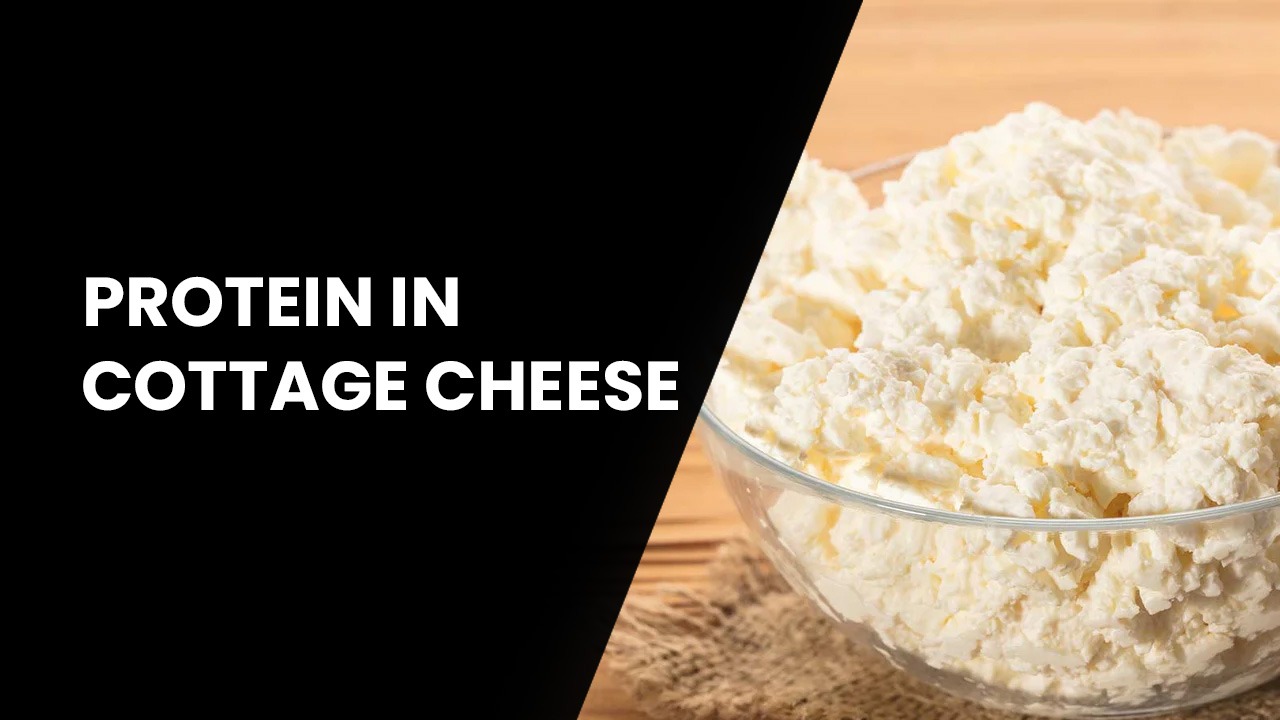
WHY CHOOSE cottage cheese?
Nobody ate cottage cheese because they wanted to.
Now, when I open social media, I see it blended into ice cream, dropped into smoothies, baked into cottage cheese pancakes, and turned into high-protein bagels.
The food that used to hide in the back of the fridge is now front and center.
Why the sudden change?
If you’re trying to get more protein without more meal prep, you can’t go wrong with cottage cheese. It’s high in protein, it’s cheap, and it takes zero prep.
Thing is, I think this cottage cheese trend might have gotten ahead of the facts.
Most guys grab whatever tub is in front of them and assume they scored an easy protein win.
But not all cottage cheese is the same.
Protein, fat, sodium, and added sugar can change fast depending on the fat percentage, flavor, and brand. Two tubs can sit next to each other in the dairy case and give you two very different nutrition labels.
The bigger challenge is making it something you’ll eat more than once. Cottage cheese is easy to buy but eating it straight from the container gets old fast.
So, let’s fix both.
I’ll break down what cottage cheese is, how much protein it gives you, and what the rest of the label means. Then we get practical: how it stacks up as a protein source, how to use it for muscle gain or fat loss, recipes worth keeping, and what to look for on the label.
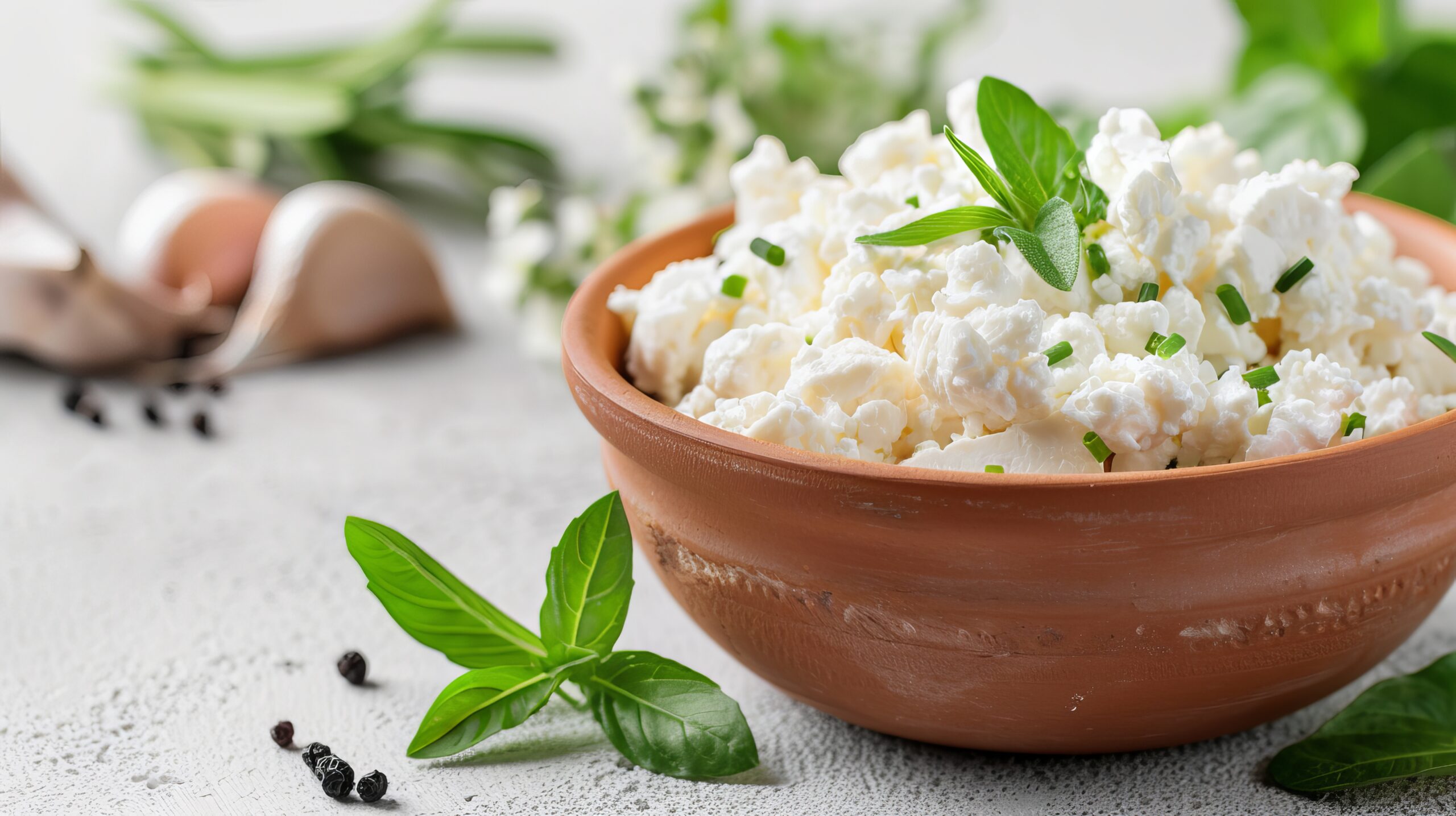
WHAT IS COTTAGE CHEESE?
You can’t judge cottage cheese as a protein source until you know what’s in the tub and how it got there.
Cottage cheese is a fresh dairy product, meaning it isn’t aged the way cheddar or parmesan is.
Strip away the marketing and it’s a simple thing: milk protein concentrated into soft curds. That’s the whole reason it belongs in a high-protein diet.
How it’s made matters more than the definition because the process is what creates the protein, the sodium, and the fat differences you’ll see on the label.
HOW IT’S MADE
Cottage cheese starts with pasteurized milk, which is milk heated to kill off harmful bacteria.
A culture of lactic acid bacteria goes in next. Those bacteria sour the milk until the protein clumps together into a soft solid.
That solid separates into two parts: curds and whey.
The curds are the protein-rich lumps. The whey is the thin liquid that gets drained away.
If you’ve ever opened a tub and found liquid sitting on top, that’s whey separating out. Stir it back in and keep moving.
This next part is what matters to you.
Draining the whey leaves milk solids behind, the protein and minerals from a large volume of milk packed into the curd.
That’s why one cup of cottage cheese delivers more protein than a full glass of milk.
Two more steps decide what ends up on the label:
Salt goes in. Added salt is the main reason cottage cheese runs higher in sodium than most guys expect, so it’s a number worth watching.
A cream or milk “dressing” gets stirred back into the curds. The fat in that dressing is what separates nonfat, 2%, and 4% cottage cheese. Same curd, different finish.
HOW MUCH PROTEIN IS IN COTTAGE CHEESE?
Time for the part most guys flip ahead to: how much protein does a cup of cottage cheese deliver?
Plain cottage cheese is one of the highest-protein foods you can buy without cooking. USDA averages put it here:
- Per 100 grams: around 10 to 12 grams of protein
- Per half cup (about 113 grams): around 12 to 14 grams of protein
- Per cup (about 226 grams): around 23 to 28 grams of protein
A cup of cottage cheese gives you protein in the same range as Greek yogurt, and it’s not that far behind chicken breast or whey. The difference is that you don’t have to cook, blend, or mix anything.
But the lid doesn’t tell you everything.
The protein content in cottage cheese will change depending on the fat level, curd style, brand, and whether the product is plain or flavored.
COTTAGE CHEESE PROTEIN BY FAT LEVEL
Three fat levels cover most of what you’ll see: fat free (nonfat), low-fat (2%) cottage cheese, and full-fat cottage cheese 4%.
As you’ll see, protein barely changes across the three options, but calories certainly do.
So, the choice isn’t about which has the most protein, it’s about what the calories need to look like for you that day.
Fat Free / Nonfat: This has roughly 24 to 28 grams of protein and around 160 to 200 calories per cup. The leanest option, made with a skim-milk dressing instead of cream. Naturally, nonfat is the pick when you want the highest protein-to-calorie ratio.
Low-Fat (2%) Cottage Cheese: This one has about 23 to 28 grams of protein and around 180 to 200 calories per cup. Enough fat to taste rich without piling on calories. A practical middle ground for most goals.
Cottage Cheese 4% (Creamed): This is the fattier version of cottage cheese, and it has roughly 23 to 26 grams of protein and around 220 to 240 calories per cup. Choose 4% cottage cheese when you want more creaminess, more calories, and a little more satiety from the fat.
NOT EVERY TUB IS EQUAL
Even if two tubs have the same fat percentage, the nutrition label can still look different.
Before you toss one in your cart, check the numbers on these containers:
Small Curd vs. Large Curd: Small curd versus large curd is mostly about texture. Small curd is softer and smoother while large curd is chunkier and has more bite. Neither one is automatically better for protein, calories, or muscle gain. Pick the texture you like, then check the label.
Whipped Cottage Cheese: This is when the cottage cheese curds are blended smooth. Protein is usually the same as the unwhipped version, but the serving size can be smaller, so be sure to double-check the label.
Single-Serve Cups: This is convenient but small. A five- or six-ounce snack cup gives you less than a half cup from the big tub. Use it as a snack, not a meal.
Flavored Cups: Flavored cups still count as protein but check the sugar. Fruit-on-the-bottom and dessert-style tubs can add calories fast, which makes them a weaker choice if you’re trying to get the most protein for the fewest calories.
COTTAGE CHEESE NUTRITION FACTS (BEYOND PROTEIN)
Most guys look at cottage cheese and go straight to the protein number. That makes sense, but it’s not the whole label.
Calories, fat, sodium, carbs, and added sugar all affect how well it fits your diet.
A high-protein food is only useful if the rest of the numbers match your goal.
CARBS AND SUGAR
Plain cottage cheese is naturally low in carbs. A cup lands around 8 to 12 grams, and almost all of that is lactose, the natural sugar found in milk.
There’s no added sugar in plain cottage cheese, which makes it an easy fit for low-carb diets without compromising on protein.
FAT
Fat per cup tracks the percentage on the label:
- Nonfat is essentially zero.
- Two-percent fat lands around 4 to 6 grams.
- Four-percent will give you roughly 8 to 10 grams, with about 4 of those grams as saturated fat.
That saturated fat number isn’t huge in isolation, but if you’re already getting saturated fat from other foods across the day, the higher fat option adds to that running total.
SODIUM
Here’s the number most guys miss. Cottage cheese tastes mild, so it doesn’t seem salty, but salt is added during production to draw moisture out of the curds and bring out the flavor.
A cup of cottage cheese typically delivers 600 to 900 milligrams of sodium, which can land you north of 30% of the daily value in one serving.
If you’re tracking sodium intake for blood pressure reasons, or you’re following the DASH diet, that’s a number worth tracking.
Low-sodium and no-salt-added cottage cheeses do exist, and they cut the sodium significantly, so they’re worth looking for if cottage cheese is in your weekly rotation.
CALCIUM AND BONE HEALTH
A cup of cottage cheese covers close to 20% of the daily value for calcium. That supports bone health, but calcium also plays a role in muscle contraction, which is relevant every time you load a barbell.
If you don’t drink much milk or eat much yogurt, a cup of cottage cheese is one of the easier ways to add calcium to your day without thinking about it.
VITAMIN B12 AND OTHER B VITAMINS
Cottage cheese is a strong source of several B vitamins, with vitamin B12 being the standout.
A cup of 2% cottage cheese covers around 40% of the daily value for B12, plus smaller but decent amounts of riboflavin (B2) and pantothenic acid (B5).
B12 is important because it helps your body produce red blood cells and turn food into usable energy.
For a lifter pushing hard sessions and trying to recover well, those are nutrients you don’t want to come up short on.
VITAMIN D
Vitamin D in cottage cheese is naturally low to nonexistent. Some products are fortified, often with Vitamin D3, which is the form your body absorbs most readily.
But it depends on the brand, so if you care about hitting your vitamin D, check the label before buying.
LIVE CULTURES AND DIGESTIVE HEALTH
Some cottage cheese has live and active cultures from the lactic acid bacteria used to make it.
Some doesn’t, because certain brands heat-treat the product after fermentation, which kills off the cultures.
Where the live cultures stick around, they may offer probiotic benefits and support digestive health, similar to what you’d find in unstrained yogurt.
This varies from product to product, so if probiotics are a reason you’re buying it, look for “live and active cultures” on the package.
IS COTTAGE CHEESE A COMPLETE PROTEIN?
Yes, cottage cheese is a complete protein. But the thing to pay attention to is the kind of protein you’re getting.
Complete protein means a food contains all nine essential amino acids your body can’t make on its own.
Cottage cheese checks that box, which puts it in the same protein category as eggs, chicken, whey, Greek yogurt, and red meat. These are the foods that drive muscle repair and recovery.
But cottage cheese has something that most complete proteins don’t: it’s almost entirely casein protein.
Casein protein makes up roughly 80% of the protein in cow’s milk. Whey makes up the other 20%.
Cottage cheese is the casein-rich curd left once the whey is gone, which means your tub is even more casein-heavy than the milk it came from.
Both casein and whey support muscle building when total daily protein is on point, but they work on different timelines.
Whey hits your bloodstream quickly, with amino acid levels peaking within an hour or so.
Casein protein takes its time. It forms a soft gel in the stomach and releases amino acids gradually for up to seven hours after you eat it. Same essential amino acids, a different delivery schedule entirely.
That slow release is why cottage cheese keeps you full longer than a faster-digesting protein at the same size. If you’re working on weight loss, cottage cheese makes it easier to control your calories.
It’s also why cottage cheese has a long-standing reputation as a before-bed protein. While you sleep, your body still needs amino acids for muscle repair, and a casein source eaten before bed provides a steady supply for hours rather than a quick spike that fades before morning.
When you put cottage cheese next to other complete-protein sources, it does more than match them in quantity. It plays a different role.
Use whey when you want fast amino acids around training. Use cottage cheese when you want lasting fullness, slow recovery support, or a protein source that works between meals or before bed.
COTTAGE CHEESE VS. GREEK YOGURT AND OTHER PROTEIN SOURCES
No one builds a high-protein diet around one food. You’re probably already rotating through chicken, eggs, Greek yogurt, tuna, and maybe whey protein.
So, the question is not whether cottage cheese is “better” than all of them. The question is where it works best, where it falls short, and when it makes sense to use it.
Here’s how cottage cheese stacks up against your other protein favorites:
COTTAGE CHEESE VS. GREEK YOGURT
This is the comparison most guys come in asking about, since they fill the same role in a lot of fridges and get used the same ways.
Overall, the protein numbers are close.
A cup of low-fat (2%) cottage cheese gives you 23 to 28 grams of protein. A cup of plain low-fat Greek yogurt lands around 20 to 23 grams.
Both are casein-dominant complete proteins, so the muscle-building math is similar. Where they part ways is on the other label lines:
- Sodium: Cottage cheese is the saltier of the two by a wide margin. A cup of cottage cheese pushes 600 to 900 milligrams. A cup of plain Greek yogurt is closer to 80 to 100.
- Live cultures: Plain Greek yogurt almost always has them. Cottage cheese only sometimes does, depending on whether the brand heat-treats it after fermentation.
- Texture and use: Greek yogurt is smooth and works as a breakfast base or a sour-cream stand-in. Cottage cheese is curd-textured and shines in savory dishes, dips, and bowls.
Comparing these two isn’t as much about protein as it is about which one fits the meal you’re building and the day you’re working with.
If you’re watching sodium, plain Greek yogurt is the smarter pick. If you want a wider use range across savory and sweet, cottage cheese covers more ground.
COTTAGE CHEESE VS. OTHER PROTEIN SOURCES
Here’s where cottage cheese fits in the broader protein lineup, with USDA averages for a standard serving of each:
| FOOD | SERVING | PROTEIN | CALORIES |
| Cottage cheese, low-fat (2%) | 1 cup | 23–28 g | 180–200 |
| Greek yogurt, plain low-fat | 1 cup | 20–23 g | 130–160 |
| Egg, whole | 1 large | 6–7 g | 70–80 |
| Whey protein powder | 1 scoop | 20–25 g | 100–130 |
| Milk, low-fat (2%) | 1 cup | 8 g | 120–125 |
| Chicken breast, cooked | 3 oz | 26–27 g | 140–160 |
| Lean beef sirloin, cooked | 3 oz | 25–26 g | 150–180 |
| Tuna, canned in water | 3 oz | 20–22 g | 90–100 |
| Tofu, firm | ½ cup | 10–19 g | 90–180 |
| Lentils, cooked | 1 cup | 18 g | 230 |
It beats milk and eggs serving for serving and matches Greek yogurt at the top of the dairy stack.
What cottage cheese doesn’t beat is the heavy hitters: chicken breast, lean beef, tuna. And plant options like tofu and lentils sit lower per serving.
But cottage cheese has one edge none of them can match: zero prep. No cooking, no defrosting, no cleanup. A cup is one fork and one bowl away.
One thing to remember: cottage cheese is a component, not a whole protein plan. Two cups a day gets you 50+ grams of protein but also puts you at over half the daily sodium cap before counting anything else you eat.
Treat it as a snack, a topping, or a between-meal protein hit. Not the centerpiece of every meal.
COTTAGE CHEESE FOR MUSCLE BUILDING
Cottage cheese has earned its place in muscle-building diets for one reason: it makes it easier to hit your protein target.
Training gives your body the signal to build muscle, but protein gives it the material to recover and grow.
Cottage cheese delivers a convenient source of high-quality protein without much prep, which makes it easier to stay consistent throughout the day.
Here’s how it can support the muscle-building process:
It’s a Complete Protein: Every cup gives you the full lineup of essential amino acids your body needs for muscle work.
Provides Leucine: Leucine is an amino acid that triggers muscle protein synthesis. Research generally puts the trigger threshold around 2 to 3 grams of leucine per meal. A single cup of cottage cheese delivers about 2.5 grams, which clears that bar in one serving.
Casein is Slow-Digesting: Remember that cottage cheese is primarily made up of casein protein, and this type of protein breaks down a lot slower than whey protein. Amino acids release for hours after a serving, which supports muscle protein synthesis across longer gaps, including overnight when you’re not eating.
Helps You Hit Your Protein Target: A lot of lifters tend to miss their daily protein target. This isn’t because they don’t want to eat, it’s usually because they run out of easy and convenient options between meals. Cottage cheese covers that gap with no cooking required.
Protein Dense, Not Calorically Heavy: A cup of nonfat or 2% cottage cheese gives you 23 to 28 grams of protein for around 160 to 200 calories. That ratio is what you want whether you’re building lean or eating in a deficit while trying to hold onto muscle. You get the protein number without dragging the calories along.
HYPERTROPHY TRAINING CHEAT SHEET
We know cottage cheese is a great way to support your muscle building goals, but it doesn’t build muscle on its own.
Muscle growth happens by lifting heavy enough, often enough, with enough volume to force your body to adapt. The protein then gives your body the materials to do the rebuilding.
Hypertrophy training isn’t complicated, but it does have to be done with purpose. This is the no-frills version of what muscle-building training looks like:
Compound Lifts are the Foundation: Squats, Deadlifts, Presses, Rows, Pull-Ups, and Lunges work the most muscle per rep and let you progress the heaviest. Use isolation work to address weak points after the heavy lifting is done.
Hit Each Muscle 2x Per Week: If you want to get bigger, you’ll want to train each major muscle group about twice a week. Once a week is too long a gap to drive consistent growth. Two sessions, spaced a few days apart, is the frequency most lifters respond best to.
Sets and Reps: Aim for 10 to 20 hard sets per muscle group per week. Start with 10 to 12 sets if you’re newer or getting back in. Push toward 16 to 20 only if you’ve earned the recovery to handle it. More isn’t automatically better. Keep most of your work sets in the 8 to 12 rep range. Heavy enough to stress the muscle, enough reps in each set to add up. Most hypertrophy gains come from this rep range.
Intensity: Load around 60 to 80% of your one-rep max. Heavy enough to mean something, not so heavy that you can’t get the reps in. If a set of 10 feels like it could have been 18, the weight is too light. Take most sets close to failure, not every set to failure. Stopping with one or two reps in the tank on most sets keeps you progressing without burying you in fatigue. Save true failure for occasional finishers.
Break Time: Rest at least 60 seconds between sets, longer on the big lifts. Two to three minutes between heavy compound sets is normal. Cutting rest short kills your performance on the next set, which costs you the load that drives growth.
Progress Over Time: Add weight, reps, or sets across the weeks. If you’re doing the same workout, you did six months ago with the same numbers, you’re not training for hypertrophy. You’re maintaining.
HOW MUCH PROTEIN DO YOU NEED?
Knowing how much protein is in cottage cheese only helps if you know what number you’re trying to hit for the day.
A cup with 25 grams of protein sounds good, but it means something different for a 160-pound guy trying to maintain muscle than it does for a 220-pound guy trying to build it. Your target depends on your body size, training, and goal.
Once you know that daily number, cottage cheese becomes easier to use. It’s no longer just “a high-protein food.” It becomes one piece of the plan.
YOUR DAILY PROTEIN TARGET
For anyone who trains hard, the working range for daily protein target is 0.7 to 1.0 grams of protein per pound of body weight per day.
The lighter end works for general strength and gym consistency. The heavier end works better if you’re trying to add muscle or hold onto muscle through a calorie deficit.
Here’s what that looks like at a few body weights:
- 150 pounds: 105 to 150 grams of protein per day
- 180 pounds: 125 to 180 grams of protein per day
- 200 pounds: 140 to 200 grams of protein per day
- 220 pounds: 155 to 220 grams of protein per day
Now break that daily number into meals. Most lifters land around 25 to 40 grams of protein per meal across 3 to 5 meals or snacks.
Spreading protein out across the day keeps muscle protein synthesis activated more often than a single big serving would.
WHERE COTTAGE CHEESE FITS
Cottage cheese plays three roles in your day depending on what the meal needs.
Protein Base: When protein is the centerpiece of the meal, a cup of cottage cheese gives you 23 to 28 grams. That’s enough on its own to be the main protein in a snack or breakfast. Add toppings, blend it in, or round it out with sides.
Protein Booster: When you’re eating something low in protein, like a salad, a sandwich, or a bowl of oats, half a cup of cottage cheese adds 12 to 14 grams. The base meal stays the same. The protein number jumps.
No-Cook Fallback: Some days the cooking just isn’t happening. Long workday, traveling, lazy. A cup out of the tub gets you 25 grams of protein with no stove, no pan, no cleanup.
COTTAGE CHEESE PROTEIN MATH
Here are a few common combos and what each one delivers:
- One cup, plain: About 25 grams of protein, around 180 calories. Best for a quick snack or no-prep protein hit.
- One cup plus a handful of berries: About 25 grams of protein, around 230 calories. Best for breakfast or a post-workout meal.
- One cup plus a scoop of whey: About 50 grams of protein, around 280 calories. Best when you need a big protein number in one sitting, especially during a muscle gain phase.
- One cup blended into oats: About 30 grams of protein, around 330 calories. Best for a longer-lasting meal with carbs for training fuel.
Each is a template. Swap fruit, change the whey, substitute the oats. The cottage cheese supplies most of the protein no matter which version you pick.
How you scale these combos depends on the phase you’re in.
In a fat-loss deficit, stick to the plain or berry versions and keep mix-ins low-calorie.
In a muscle-gain phase, lean toward the whey-stacked or oat-blended versions to add calories along with the protein.
On a low-carb plan, drop the oats and fruit and pair cottage cheese with whey or savory mix-ins instead.
HIGH-PROTEIN COTTAGE CHEESE RECIPES (BY GOAL)
Cottage cheese is easy to buy. The harder part is knowing what to do with it once it’s in your fridge.
That’s where most people go wrong. They treat it like one food with one use, then get bored after three spoonfuls from the container.
But cottage cheese can work a lot of different ways depending on what you add to it.
If you’re trying to build muscle, pair it with carbs and extra calories. If you’re trying to lose fat, keep it lean, filling, and controlled. If you need something before bed, use it in a way that gives you protein without turning it into a second dinner.
The goal decides the recipe. Here are 10 ways to use cottage cheese based on what you’re trying to get out of it.
MUSCLE-GAIN COTTAGE CHEESE BOWL
This one stacks cottage cheese with whey, oats, and nut butter to put a heavy protein number on the plate with the calories and carbs you want on a hard training day. Use it as breakfast or a post-workout meal during a muscle-gain phase.
SERVING SIZE
- 1 full bowl
INGREDIENTS
- 1 cup full-fat (4%) cottage cheese
- 1 scoop whey protein powder, vanilla or unflavored
- 1/2 cup rolled oats
- 1/2 cup mixed berries
- 1 tablespoon almond butter
- 1/2 teaspoon ground cinnamon
HOW TO MAKE IT
- Spoon the cottage cheese into a bowl.
- Stir in the whey protein powder until evenly mixed.
- Top with the rolled oats, berries, and almond butter.
- Sprinkle the cinnamon over the top.
- Eat right away or let the oats soften for 5 minutes before eating.
NUTRITIONAL INFORMATION
- Calories: about 630
- Protein: about 57 g
- Carbs: about 48 g
- Fat: about 22 g
COTTAGE CHEESE PROTEIN SMOOTHIE
A blender-based meal that hits 50 grams of protein in one drink. The cottage cheese gives the smoothie a thicker, creamier base than milk alone, and the whey doubles the protein number. Use it as a post-workout meal or a fast breakfast on a heavy training day.
SERVING SIZE
- 1 full batch makes about 16 ounces, eaten as a single serving
INGREDIENTS
- 1/2 cup 2% cottage cheese
- 1 cup 2% milk
- 1 scoop whey protein powder, vanilla, or chocolate
- 1 medium banana
- 1 tablespoon peanut butter or almond butter
- 4 to 6 ice cubes
HOW TO MAKE IT
- Add all ingredients to a blender.
- Blend on high for 30 to 45 seconds until completely smooth.
- Add more ice if you want it thicker, or a splash of milk if you want it thinner.
- Pour into a tall glass and drink within a few minutes for the best texture.
NUTRITIONAL INFORMATION
- Calories: about 535
- Protein: about 50 g
- Carbs: about 49 g
- Fat: about 17 g
FAT-LOSS COTTAGE CHEESE SNACK
A protein hit that runs light on calories. Use this as an afternoon snack or a small meal when you’re in a deficit and need to keep hunger down without spending much of your calorie budget.
SERVING SIZE
- 1 serving
INGREDIENTS
- 3/4 cup nonfat cottage cheese
- 1/4 cup fresh berries
- 1 tablespoon pumpkin seeds
- 1/2 teaspoon ground cinnamon
HOW TO MAKE IT
- Spoon the cottage cheese into a small bowl.
- Top with the berries and pumpkin seeds.
- Sprinkle the cinnamon over the top.
NUTRITIONAL INFORMATION
- Calories: about 205
- Protein: about 23 g
- Carbs: about 13 g
- Fat: about 5 g
SAVORY COTTAGE CHEESE SNACK PLATE
This is the savory side of the fat-loss snack: cottage cheese paired with crunchy raw vegetables, fresh herbs, and a hit of black pepper. Loads of volume for the calories, and a different texture profile from the sweet bowls when those start feeling repetitive.
SERVING SIZE
- 1 plate
INGREDIENTS
- 3/4 cup nonfat cottage cheese
- 1/2 medium cucumber, sliced
- 1/2 cup cherry tomatoes, halved
- 1 tablespoon fresh chopped chives or dill
- 1/4 teaspoon black pepper
- Pinch of salt
HOW TO MAKE IT
- Spoon the cottage cheese into the center of a plate.
- Arrange the cucumber slices and tomato halves around it.
- Sprinkle the chopped herbs, salt, and pepper over the cottage cheese.
- Eat with a fork, dipping the vegetables into the cottage cheese.
NUTRITIONAL INFORMATION
- Calories: about 165
- Protein: about 22 g
- Carbs: about 15 g
- Fat: about 1 g
PRE-BED COTTAGE CHEESE BOWL
This bowl leans on the slow-digesting casein to keep amino acids flowing while you sleep. Eat it 30 to 60 minutes before bed when you want overnight recovery support without a heavy late meal.
SERVING SIZE
- 1 bowl
INGREDIENTS
- 1 cup 2% cottage cheese
- 1 teaspoon unsweetened cocoa powder
- 1 tablespoon chopped walnuts or almonds
- 1/2 teaspoon ground cinnamon
HOW TO MAKE IT
- Spoon the cottage cheese into a small bowl.
- Stir in the cocoa powder until evenly mixed.
- Top with the chopped nuts and cinnamon.
NUTRITIONAL INFORMATION
- Calories: about 240
- Protein: about 26 g
- Carbs: about 12 g
- Fat: about 10 g
SAVORY COTTAGE CHEESE DIP
This pulls cottage cheese into a savory role with dried herbs, garlic, and lemon. Use it as a dip for vegetables, a spread on toast, or a topping for grilled chicken or fish.
SERVING SIZE
- 1 full batch makes about 1 cup, serves 2 to 3 as a dip
INGREDIENTS
- 1 cup 2% cottage cheese
- 1 small clove garlic, minced (or 1/2 teaspoon garlic powder)
- 1 tablespoon fresh lemon juice
- 1 teaspoon dried herbs (dill, basil, oregano, or a mix)
- 1/2 teaspoon black pepper
- Pinch of salt
HOW TO MAKE IT
- Add the cottage cheese, garlic, lemon juice, dried herbs, pepper, and salt to a small bowl.
- Stir until evenly combined. For a smoother texture, blend in a food processor.
- Let the mixture sit for 10 minutes so the flavors come together before serving.
NUTRITIONAL INFORMATION (per full batch)
- Calories: about 195
- Protein: about 24 g
- Carbs: about 11 g
- Fat: about 5 g
CREAMY COTTAGE CHEESE RANCH DRESSING
This swaps mayo and sour cream for blended cottage cheese in a ranch-style dressing. Run it through a food processor until completely smooth and you’ve got one of the best protein-rich salad dressings that doubles as a sauce or a sour cream stand-in.
SERVING SIZE
- 1 full batch makes about 1 cup, serves 6 to 8 (about 2 tablespoons each)
INGREDIENTS
- 1 cup 2% cottage cheese
- 2 tablespoons plain Greek yogurt
- 1 tablespoon fresh lemon juice or white vinegar
- 1 teaspoon dried dill
- 1/2 teaspoon garlic powder
- 1/2 teaspoon onion powder
- 1/4 teaspoon black pepper
- Pinch of salt
- 1 to 2 tablespoons water, to thin
HOW TO MAKE IT
- Add the cottage cheese, Greek yogurt, lemon juice, dill, garlic powder, onion powder, pepper, and salt to a food processor.
- Blend on high until completely smooth, about 60 seconds.
- Add water 1 tablespoon at a time until the dressing reaches a pourable consistency.
- Taste and adjust the salt or lemon as needed.
NUTRITIONAL INFORMATION (per full batch)
- Calories: about 210
- Protein: about 26 g
- Carbs: about 12 g
- Fat: about 5 g
COTTAGE CHEESE PANCAKES
These cottage cheese pancakes blend the curds into the batter, hiding them in a high-protein breakfast that doesn’t taste like cottage cheese. Good as a training day or rest day meal.
SERVING SIZE
- 1 full batch makes about 4 to 5 medium pancakes
INGREDIENTS
- 1/2 cup 2% cottage cheese
- 1/2 cup rolled oats
- 2 large eggs
- 1 teaspoon baking powder
- 1/2 teaspoon vanilla extract
- 1/2 teaspoon ground cinnamon
- Pinch of salt
- Light spray or thin coat of cooking oil for the pan
HOW TO MAKE IT
- Add the cottage cheese, oats, eggs, baking powder, vanilla extract, cinnamon, and salt to a blender.
- Blend until the batter is smooth.
- Let the batter sit for 2 to 3 minutes so the oats can hydrate.
- Heat a nonstick skillet over medium heat and lightly coat with oil.
- Pour the batter into 4 to 5 pancakes and cook until the bottoms are lightly browned and the tops start to set.
- Flip and cook until the centers are done.
NUTRITIONAL INFORMATION
- Calories: about 380
- Protein: about 29 g
- Carbs: about 33 g
- Fat: about 15 g
HIGH-PROTEIN COTTAGE CHEESE BAGELS
This is the viral two-ingredient bagel that took over social media a couple of years ago, built on blended cottage cheese and self-rising flour. Two ingredients, four bagels, no yeast, no rise time, and around 11 grams of protein each.
SERVING SIZE
- 1 full batch makes 4 bagels
INGREDIENTS
- 1 cup 2% cottage cheese
- 1 cup self-rising flour, plus extra for the work surface
- 1 large egg, beaten (for the egg wash)
- 1 to 2 tablespoons everything bagel seasoning or sesame seeds (optional)
HOW TO MAKE IT
- Preheat the oven to 375°F (190°C) and line a baking sheet with parchment paper.
- Blend the cottage cheese in a food processor until completely smooth.
- Transfer the cottage cheese to a mixing bowl and add the self-rising flour.
- Stir until a sticky dough forms, then knead on a lightly floured surface for 1 to 2 minutes until smooth.
- Divide the dough into 4 equal portions. Roll each portion into a rope and pinch the ends together to form a bagel shape.
- Place the bagels on the baking sheet, brush with the beaten egg, and sprinkle with seasoning if using.
- Bake for 22 to 25 minutes, until the tops are golden brown.
- Let cool for 5 minutes before slicing.
NUTRITIONAL INFORMATION (per bagel)
- Calories: about 175
- Protein: about 11 g
- Carbs: about 26 g
- Fat: about 3 g
COTTAGE CHEESE PROTEIN ICE CREAM
Cottage cheese ice cream is exactly what it sounds like: blended smooth, frozen, and eaten like soft serve. The protein number puts it in a different category from regular ice cream.
SERVING SIZE
- 1 full batch makes about 1 cup, eaten as a single serving
INGREDIENTS
- 1 cup full-fat (4%) cottage cheese
- 1 tablespoon honey or maple syrup
- 1 teaspoon vanilla extract
- 1 tablespoon unsweetened cocoa powder
HOW TO MAKE IT
- Add all ingredients to a food processor.
- Blend on high for 1 to 2 minutes until completely smooth, scraping down the sides as needed.
- Pour the mixture into a small freezer-safe container.
- Freeze for 2 to 3 hours for soft-serve texture, or 4 hours for a firmer scoop.
- Let it sit at room temperature for 5 minutes if it’s frozen solid.
NUTRITIONAL INFORMATION
- Calories: about 300
- Protein: about 24 g
- Carbs: about 26 g
- Fat: about 11 g
LACTOSE, DIGESTION, AND WHO SHOULD WATCH OUT
Some lifters tolerate cottage cheese without any issue. Others bloat up on a single serving.
The answer comes down to lactose, what brand you’re buying, and how your gut handles dairy in general.
LACTOSE IN COTTAGE CHEESE
Cottage cheese contains lactose. Some of it leaves with the whey during draining, which is why cottage cheese has less lactose than a glass of milk.
But the dressing added at the end usually contains cream or milk, putting some lactose back. The result is a moderate lactose load: less than milk, more than aged cheeses, similar to yogurt.
People with mild lactose sensitivity often tolerate cottage cheese without trouble. People with stronger sensitivity or true intolerance often don’t.
If you’ve never tried it and suspect dairy doesn’t agree with you, start with a small serving, and see how you respond.
LACTOSE-FREE COTTAGE CHEESE
If lactose is the issue, lactose free cottage cheese exists. The lactase enzyme is added during production to break the lactose down before you ever eat it.
Lactose is a sugar made of two smaller sugars joined together. The lactase enzyme splits them apart.
Your body produces lactase naturally to digest dairy, but lactose-intolerant people don’t make enough, which is what causes the bloating and discomfort.
Adding the lactase enzyme during production does the splitting work in advance. Protein, calcium, and other nutrition stay the same.
The only thing that changes is that the lactose has already been broken down for you.
GLUTEN AND NUT FREE
Plain cottage cheese is naturally gluten and nut free, a protein source for people avoiding either due to allergy, celiac, or preference.
The exception is flavored cottage cheese or single-serve cups with mix-ins like granola, fruit topping, or cookie pieces. Those can contain gluten or nuts.
Some products also include thickeners like mono and diglycerides or modified food starch.
Those aren’t allergen issues for most people, but they’re worth knowing about if you prefer cleaner ingredient lists.
Read the label. Plain cottage cheese ingredient lists are usually short: milk, cream, salt, and cultures.
DIGESTION AND LIVE CULTURES
For lifters who tolerate dairy fine, the live cultures in some cottage cheese brands are a small bonus on top of the protein.
The strain count and amount vary brand to brand, and the evidence on dairy probiotics is mixed. Don’t pick cottage cheese for the probiotics alone.
Some functional medicine approaches treat cultured dairy as a low-friction reintroduction food when someone is testing their dairy tolerance.
That’s individual. The same rule applies as with any dairy: if your gut tolerates it, cottage cheese is one of the easier protein sources to add. If it doesn’t, live cultures won’t change that.
Cottage cheese went viral for a reason: genuinely high protein, low cost, no prep.
But the lid doesn’t tell the whole story.
Read the label for protein, sodium, fat, and added sugar, match the product to your goal, and use it as one tool inside a bigger protein plan and a real training program.
Check out our complete line of ATHLEAN-RX Supplements and find the best training program for you based on your fitness level and goals.

- Cottage cheese is fresh dairy made by curdling milk with lactic acid bacteria, separating the curds from the whey, and adding a cream or milk dressing. Most of the protein in the milk stays in the curd, which is what fills the tub.
- There’s roughly 12 to 14 grams of protein per half cup and 23 to 28 grams of protein per cup. Going from nonfat to 4% changes the calories more than it changes the protein, so the fat level is mostly a calorie decision.
- Sodium is the overlooked number. Most cottage cheese hits 600 to 900 mg of sodium per cup, around a third of the daily limit at the higher end. The protein and calcium get the credit while the sodium gets ignored. It’s the one number to check if you eat cottage cheese daily.
- Cottage cheese is a complete protein. Most of it is casein, the slow-digesting milk protein that keeps amino acids flowing for hours after a meal. That slow release is why lifters reach for it between meals and before bed.
- Aim for 0.7 to 1.0 grams of protein per pound of body weight per day, split across 3 to 5 meals of 25 to 40 grams each. One cup of cottage cheese covers a full meal’s worth of protein for most lifters.
- A tub of cottage cheese is a starting point. Pair it with whey and oats for muscle gain, berries and pumpkin seeds for fat loss, cocoa and nuts for pre-bed, or herbs for savory uses. Blend it into bagels, pancakes, smoothies, or ice cream when you want to switch up the format.
- Check the label and look at the sodium, fat percentage, and ingredient list. Plain cottage cheese ingredient lists are short: milk, cream, salt, and cultures. Long lists with thickeners, sweeteners, or starches indicate a flavored or processed product. Flavored cups still count as protein, but they’re not the same product as plain.
COTTAGE CHEESE PROTEIN CONTENT FAQS
Yes, cottage cheese is one of the higher-protein dairy products on the shelf.
A single cup gives you between 23 and 28 grams of protein, which covers a full meal's worth for most lifters.
It's also a complete protein, meaning all nine essential amino acids are present in usable amounts, so it can stand as a meal's main protein or stack with another source.
Neither one is universally better. They land in the same protein range per cup. The differences come on sodium, texture, and how the protein digests.
Greek yogurt is lower in sodium, smoother, and usually has more reliable live cultures.
Cottage cheese has more fat-level options and a casein-dominant protein profile that digests slowly.
If you're watching sodium or want stronger live cultures, go Greek yogurt. If you want slower-digesting protein for pre-bed or between meals, go cottage cheese.
A half cup of cottage cheese has between 12 and 14 grams of protein for most brands.
Nonfat versions sometimes come in slightly higher because they pack more curd per cup.
The number doesn't change much between fat levels. Going from nonfat to 4% mostly changes the calories, not the protein.
Jeff Cavaliere M.S.P.T, CSCS
Jeff Cavaliere is a Physical Therapist, Strength Coach and creator of the ATHLEAN-X Training Programs and ATHLEAN-Rx Supplements. He has a Masters in Physical Therapy (MSPT) and has worked as Head Physical Therapist for the New York Mets, as well as training many elite professional athletes in Major League Baseball, NFL, MMA and professional wrestling. His programs produce “next level” achievements in muscle size, strength and performance for professional athletes and anyone looking to build a muscular athletic physique.