







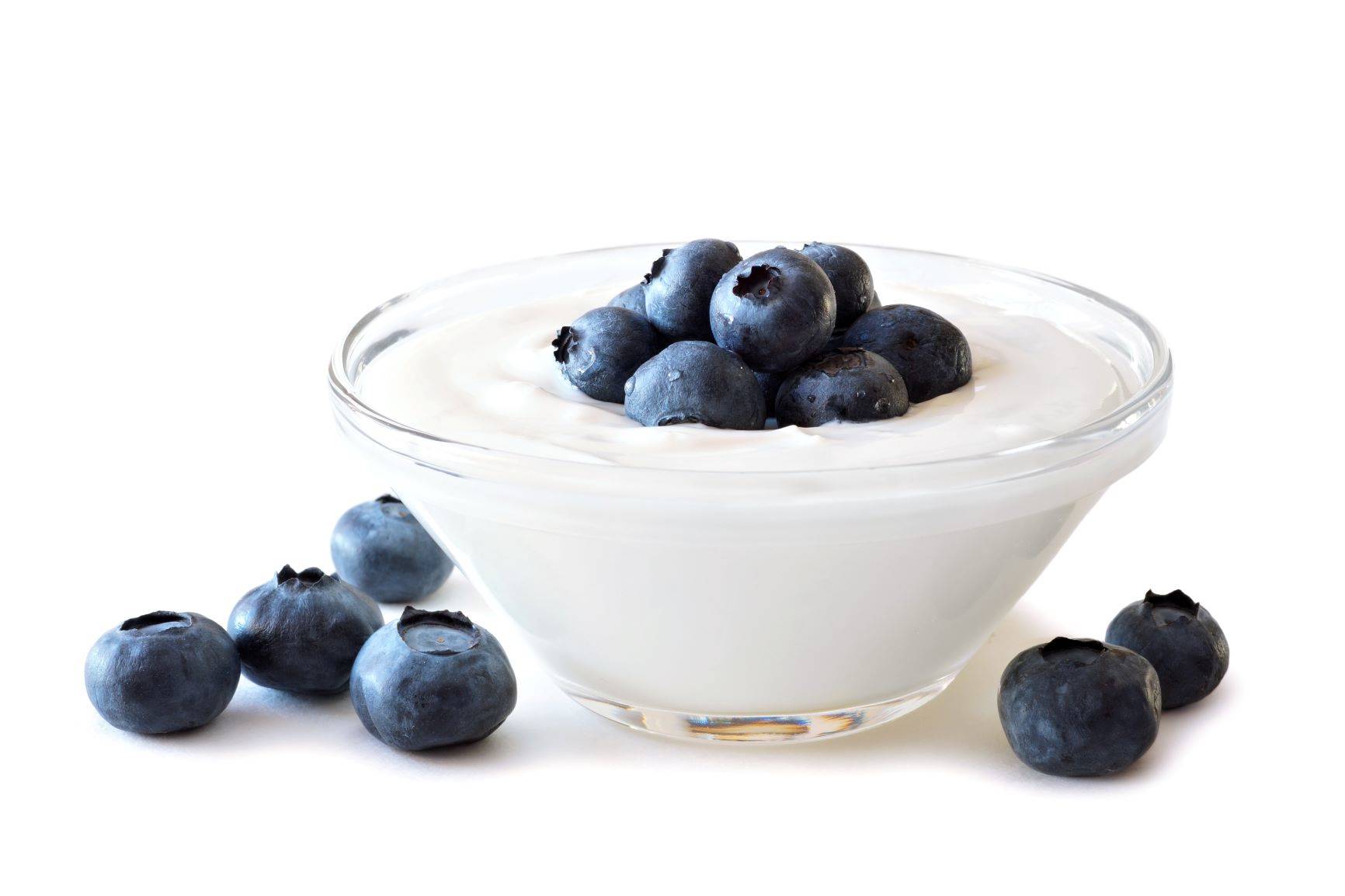
how much protein in greek yogurt?
And for good reason.
Greek yogurt is convenient, versatile, and often much higher in protein than regular yogurt. But here’s where people get it wrong: not every Greek yogurt gives you the same nutritional value.
Some options are protein packed. Others come with far more sugar, saturated fat, or calories than you’d expect.
Plain and flavored versions can look similar on the shelf while delivering very different numbers. The same goes for nonfat, low-fat, whole milk, and products labeled “Greek-style” instead of true Greek yogurt.
Let’s take a closer look at Greek yogurt protein content, the macronutrient breakdown and nutrition facts that matter most, and how to use Greek yogurt based on your goal.
GREEK YOGURT VS. REGULAR YOGURT
What’s the big deal with authentic natural Greek yogurt? What makes it “Greek?” And how does it compare to the other containers on the shelf?
Greek yogurt tends to have more protein than regular yogurt, and the reason starts with how it’s made.
The biggest difference is the straining process.
Greek yogurt is strained more heavily, which removes some of the liquid whey and leaves behind a thicker, more concentrated product.
Whey is the cloudy liquid sitting on top of your yogurt when you first open it.
That concentration is a big reason it typically contains more protein than regular yogurt.
Both Greek yogurt and regular yogurt have starter cultures. You can think of these as “good bacteria.” Some examples include Streptococcus thermophilus and Lactobacillus bulgaricus.
Those bacteria ferment the milk, create yogurt’s tangy taste, and contribute to the live active cultures associated with digestive support. Greek yogurt starts the same way, but the extra straining changes the final texture and nutrition profile.
That leads to a few practical differences.
Greek yogurt is thicker, denser, and more filling. It can even work as a higher-protein substitute for sour cream, heavy cream, or other creamy dairy foods in some recipes, which is one reason it shows up in foods like tzatziki sauce and other savory dishes.
Plain Greek yogurt also tends to have less naturally occurring sugar than regular yogurt because some of the lactose-containing liquid is removed during straining. For some people with lactose intolerance, that can make it easier to tolerate than standard yogurt, though it still contains dairy and won’t work for everyone.
You may also see fewer carbs in some plain Greek yogurt products, especially compared to sweeter regular yogurt cups. Calories, on the other hand, depend more on fat level. A nonfat option can stay relatively light, while a plain whole fat milk version will be more calorie dense.
Is one necessarily a better pick?
If your main priority is protein density, Greek yogurt wins. If you prefer a thinner texture and don’t care as much about maximizing protein, regular yogurt still has a place in any healthy meal plan.
PROTEIN IN GREEK YOGURT
Now, let’s get to the part most people care about: how much protein does Greek yogurt have?
The exact total of protein in plain Greek yogurt depends on the product, but here are some widely accepted benchmark ranges:
- Per 100 grams: about 9 to 10 grams
- Per 170 grams / 5.3-ounce single-serve cup: about 15 to 18 grams
- Per ¾ cup: about 15 to 17 grams
- Per 1 cup: about 20 to 23 grams
That gives you a good protein return from a food that also provides calcium, active cultures, and other nutrients found in fermented dairy products.
NOT ALL GREEK YOGURT IS EQUAL
Two containers can both say “Greek yogurt” on the front and still give you very different amounts of protein, sugar, fat, and calories.
One may be a strong high-protein staple. Another may be closer to a dessert with better marketing.
The biggest differences between Greek yogurts come down to four things:
- Brand
- Straining method
- Fat level
- Added ingredients
Here’s how the most common types compare:
Plain Nonfat Greek Yogurt: This is often the best choice if you want the most protein for the fewest calories. It’s thick, relatively lean, and lower in sugar.
2% Greek Yogurt: This one still gives you a strong protein serving, but with a little more fat for a richer texture. For many people, this is the easiest middle ground between taste and calorie control.
Whole Milk Greek Yogurt: This yogurt has a creamier texture and more richness, but it also carries a higher calorie load. The protein is still there, though the protein-to-calorie ratio is not as favorable as it is in leaner versions.
Flavored Versions: The flavored yogurts can go either way. Some are reasonable. Others push the sugar content up fast and turn a high-protein yogurt into something far less useful for body composition.
Greek-Style Drinks, Whipped Products, and Frozen Treats: These are often thinner, sweeter, and less concentrated than traditional strained Greek yogurt. In many cases, you’re buying something built more around taste than protein density.
GREEK YOGURT NUTRITION FACTS
Protein is the main reason most people buy Greek yogurt, but it’s not the only thing you’re getting from the container.
Things like calories, carbs, total sugars, fat, calcium, and other nutrients can look very different from one product to the next.
If you want Greek yogurt to fit your nutrition advice and fitness goal, you need to know what comes with the protein.
Calories: A plain nonfat Greek yogurt cup often lands around 90 to 110 calories. A 2% version may be closer to 120 to 140. Whole milk versions can push into the 150 to 180-plus range. None of that is automatically good or bad. It depends on your goal. If you’re cutting, those calorie differences matter. If you’re trying to gain size and need more total intake, the higher-fat option can work.
Carbs and Sugar: A plain serving often gives you around 5 to 8 grams of total carbohydrate, much of it coming from naturally occurring milk sugar, not dietary fiber. Once you move into flavored products, that number can jump fast. Some cups that look like a high-protein snack on the front end up much closer to dessert once you turn them around.
Fat: Total fat comes down to the milk base. Nonfat versions have 0 grams of fat because they are usually made with skim milk. Low-fat options often land around 3 to 4 grams. Whole milk versions can hit 8 to 10 grams or more. More fat gives you a creamier texture and can help with fullness, but it also drives calories higher. The one type of fat you don’t have to worry about being in Greek yogurt is trans-fat.
Calcium: Most Greek yogurts provide around 10 to 20 percent of the daily value of calcium per serving, depending on the brand. Calcium supports more than bone health. It also plays a role in muscle contraction, which matters if you train hard on a regular basis.
Vitamin A: Greek yogurt can provide some vitamin A, but the amount depends a lot on the fat content. Whole milk and low-fat versions tend to have more, while nonfat options may have little or none unless the product is fortified. Vitamin A helps support immune function, vision, and normal cell growth. It’s not a standout reason to buy Greek yogurt, but it can add a little more nutritional value.
Vitamin B12: Greek yogurt can also provide vitamin B12 since it comes from dairy. B12 helps with red blood cell production and energy metabolism. It’s not the main reason to eat Greek yogurt, but it does add to the overall nutrition profile.
Vitamin D: Vitamin D can vary a lot from one Greek yogurt to another. If that’s something you care about, check the label instead of assuming every brand gives you the same amount.
Vitamin K: Greek yogurt may contain a small amount of vitamin K, but it’s not a major source. Higher-fat versions tend to have more, since vitamin K is a fat-soluble vitamin.
Live Active Cultures: Many Greek yogurts contain live active cultures, which are part of the fermentation process used to make yogurt. These cultures may help support digestive health, but the strains and overall probiotic content can differ from one product to the next. One brand may contain more than another, so this is another detail that can change depending on what you buy.
IS GREEK YOGURT A COMPLETE PROTEIN?
Absolutely! Greek yogurt is a complete protein.
That means it contains all nine essential amino acids your body needs from food. Those amino acids help support muscle repair and recovery after training.
This is part of what makes Greek yogurt more useful than a typical snack food. You’re not just getting a few grams of protein on the side. You’re getting high-quality dairy protein that can help you move closer to your daily intake goal.
That’s also why Greek yogurt belongs in the same general category as eggs, meat, whey, and cottage cheese. They’re different foods, but all of them provide protein that your body can use.
CASEIN ADVANTAGE
Greek yogurt is also rich in casein, one of the main proteins found in dairy.
Casein digests more slowly than whey. Because of that, Greek yogurt tends to keep you full longer than lighter snacks that digest quickly. It also gives your body a slower release of amino acids over time.
That makes Greek yogurt a good option when you want protein that has a little more staying power, whether that’s between meals, at breakfast, or later at night.
If you’re trying to keep hunger under control without letting your protein intake slip, foods like this can help.
PROBIOTICS AND GUT HEALTH
Greek yogurt is one of a few fermented milk products, so many products contain active cultures or live active cultures.
These cultures come from the bacteria used to ferment milk during the yogurt-making process. Depending on the product, they may help support digestive health.
The key point is that this can vary from one brand to another. Some products clearly list live and active cultures. Others focus more on texture, flavor, and shelf appeal. If probiotic content is important to you, check the container instead of assuming every Greek yogurt offers the same thing.
For some people with lactose intolerance, Greek yogurt can also be easier to handle than other dairy foods because straining and fermentation reduce some of the lactose. But it still contains dairy, so tolerance depends on the person.

GREEK YOGURT VS. OTHER PROTEIN SOURCES
Sure, Greek yogurt is a great way to bump up your protein intake each day, but it’s not the only one worth keeping in rotation.
The better question is where it fits compared to the other foods people lean on when they want more protein without blowing up calories.
Looking at it side by side with other common choices gives you a better sense of where Greek yogurt stands out and where another option may make more sense.
That way, you can choose based on what fits your goal, your meal, and the rest of your day.
HOW IT STACKS UP
| FOOD | SERVING SIZE | PROTEIN | CALORIES |
| Greek yogurt, plain nonfat | 1 cup | 20–23 g | 120–140 |
| Regular yogurt | 1 cup | 8–12 g | 140–180 |
| Cottage cheese, low-fat | 1 cup | 24–28 g | 160–190 |
| Skyr | 1 cup | 20–23 g | 120–150 |
| Eggs | 2 large eggs | 12–13 g | 140–160 |
| Whey protein | 1 scoop | 20–25 g | 110–140 |
| Protein bar | 1 bar | 15–20 g | 180–250 |
| Milk, low-fat | 1 cup | 8–13 g | 100–130 |
| Chicken breast | 4 oz cooked | 32–35 g | 180–200 |
| Steak, lean cut | 4 oz cooked | 26–30 g | 200–250 |
| Salmon | 4 oz cooked | 23–25 g | 180–230 |
| Tuna | 4 oz cooked | 25–30 g | 120–170 |
| Tofu, firm | 4 oz | 10–14 g | 110–160 |
| Tempeh | 4 oz | 18–22 g | 180–240 |
| Edamame | 1 cup | 17–18 g | 180–190 |
| Lentils, cooked | 1 cup | 17–18 g | 220–230 |
Looking at this chart, a few things will jump out right away.
Greek yogurt beats regular yogurt easily on protein. It’s similar to Skyr and holds its own against cottage cheese, which is probably its closest rival in the dairy aisle.
But it does not beat chicken, lean steak, tuna, or salmon on the pure protein amount per serving. Those foods give you more protein in one shot and make more sense when lunch or dinner is the goal.
Where Greek yogurt closes the gap is convenience. You don’t have to cook it, reheat it, season it, or prepare it. Open the container and eat it.
That matters when the real choice is not “Greek yogurt or steak?” but “Greek yogurt or nothing?” A cup you can eat in two minutes is more useful than a better option you never get around to preparing.
Plant-based options can absolutely fit, but the numbers are different.
Tofu is lighter in protein than Greek yogurt for a similar amount of food. Tempeh is stronger. Edamame and lentils can help, but they bring more carbs and volume with the protein.
And if someone is lactose intolerant, those options may be easier to deal with than dairy, though tolerance varies from person to person.
IS GREEK YOGURT GOOD FOR BUILDING MUSCLE?
Greek yogurt can help with muscle building because it gives you high-quality protein, including leucine, one of the amino acids involved in turning on muscle protein synthesis.
It supports the repair and rebuilding process that happens after hard training. But food only supports muscle growth. It does not create it.
To build muscle, you still need resistance training that gives your body a reason to grow. Greek yogurt helps on the nutrition side by making it easier to get protein in consistently and build meals that support recovery.
HOW GREEK YOGURT HELPS WITH MUSCLE BUILDING
Greek yogurt helps with muscle growth for a few simple reasons.
First, it gives you complete protein.
It contains all nine essential amino acids your body needs from food. If you’re trying to add muscle, protein quality counts, not just total grams.
Second, Greek yogurt contains leucine.
Leucine is one of the main amino acids involved in triggering muscle protein synthesis, which is the process your body uses to repair and build muscle tissue after training. Greek yogurt is not the most leucine-heavy food you can eat, but it gives you enough high-quality dairy protein to make it useful in a muscle-building diet.
Third, it helps you get closer to a protein target that can make a meal count.
A typical single-serve Greek yogurt cup gives you around 15 to 18 grams of protein. A full cup can push into the 20-to-23-gram range. That is enough to make breakfast, a snack, or a post-workout meal more effective, especially if the rest of the meal is low in protein.
IT ALL STARTS WITH HYPERTROPHY TRAINING
Greek yogurt can help you build muscle, but it does not create muscle growth by itself. Training does.
If your goal is hypertrophy, your workouts need to give your muscles a reason to grow with enough hard work, enough total sets, and enough progression over time.
Here’s what that looks like in practice:
Focus on Compound Lifts: If building muscle is the goal, make compound lifts the foundation of your program. These are exercises like squats, deadlifts, presses, rows, pull-ups, and lunges that train multiple muscle groups at once. They let you handle more load, create more overall training stimulus, and make your workouts more efficient.
Train Each Major Muscle Group 2x Per Week: If you only hit chest, back, legs, or shoulders once every seven days, you’re making the process harder than it needs to be. A muscle trained twice per week generally grows better than one trained once per week, especially when total weekly work is matched.
Aim for About 10 to 20 Hard Sets Per Muscle Group Per Week: That does not mean 20 random sets. It means productive working sets that challenge the target muscle. A good starting range for most people is around 10 to 12 hard sets per week per muscle group. If you’re more advanced, recovering well, and still progressing, you can push higher.
Use Moderate Rep Ranges: For hypertrophy, most of your work should live in a range you can control well and push hard. A practical sweet spot is 8 to 12 reps per set. That keeps the weight heavy enough to create tension, while still giving you enough reps to train the muscle hard.
Use Enough Load to Make the Set Hard: You do not need to max out. For hypertrophy, you’ll want to focus on 60 to 80% of 1RM (one-repetition maximum), which lines up well with that 8-to-12 rep zone.
Get Close to Failure (But Not Every Set): A set has to be hard enough to recruit and fatigue the muscle. That does not mean every working set needs to turn into a grinder. Most of your working sets should feel hard, with very little left, but you do not need to bury yourself on every exercise.
Rest Long Enough to Keep Performance Up: Very short rest periods can make the workout feel harder, but they can also lower the quality of work you do. Research suggests both short and long rests can build muscle, though longer rests may offer an advantage in some cases. A practical rule is at least 60 seconds between sets, and often more on bigger lifts so your next set does not fall apart.
Progress Over Time: Building muscle is not just about working hard. Your body needs a reason to adapt. That means doing more over time, whether that is adding weight, getting more reps with the same load, adding sets, improving your range of motion, or performing the same workout with better control and technique. That steady upward trend is what drives muscle growth.
MUSCLE GROWTH WORKOUTS: CHEAT SHEET
Here’s a cheat sheet for what I just covered:
- Train 3 to 5 days per week
- Hit each major muscle group at least 2 times per week
- Start with about 10 to 12 hard sets per muscle group per week
- Build your workouts around compound lifts like squats, presses, rows, deadlifts, pull-ups, and lunges
- Use the 8 to 12 rep range for most of your workouts
- Take most working sets close to failure, with only 1 to 3 reps left in the tank
- Rest at least 60 seconds between sets, and more on big compound lifts so performance doesn’t fall off
- Progress over time by adding weight, reps, sets, or improving control and technique
HITTING YOUR PROTEIN GOALS WITH GREEK YOGURT
Greek yogurt can help you reach your protein goal because one serving gives you 15 to 18 grams of protein without any cooking.
A plain cup can raise the protein in breakfast, turn a light snack into something more useful, or help round out a meal that is low in protein.
Let’s talk about how you can hit your daily protein target by using Greek yogurt.
HOW MUCH PROTEIN DO YOU NEED EACH DAY?
Let’s start by figuring out how much protein you should be eating every day.
If you lift weights, train hard, or want to hold onto muscle while leaning out, a good daily target is about 0.7 to 1.0 grams of protein per pound of body weight.
Here is what that looks like:
- 160 pounds: about 112 to 160 grams per day
- 180 pounds: about 126 to 180 grams per day
- 200 pounds: about 140 to 200 grams per day
An easier way to think about it is by meal. Instead of trying to cram most of your protein into dinner, aim for about 25 to 40 grams per meal, depending on your size and your total daily goal.
HOW GREEK YOGURT HELPS YOU GET THERE
A single-serve cup of Greek yogurt often gives you around 15 to 18 grams of protein. A full cup can give you about 20 to 23 grams.
That puts Greek yogurt in a useful middle ground. It is more than a throwaway snack, but one serving may still fall short of a full meal target for a lot of lifters.
That is why Greek yogurt fits well in three roles:
- As a protein base: it gives breakfast or a snack a strong start.
- As a protein booster: it raises the protein in a meal that would otherwise come up short.
- As a quick fallback: it helps keep the day on track when you do not have time to cook.
SIMPLE GREEK YOGURT PROTEIN MATH
Here are some examples of how you can use Greek yogurt in your day-to-day routine:
1 single-serve Greek yogurt cup
- About 15 to 18 grams of protein
- Good for a snack. Too light for a full meal.
1 cup plain Greek yogurt + 1/2 cup berries + 1 tablespoon chia seeds
- About 22 to 26 grams of protein
- Better as a light breakfast or stronger snack.
1 cup plain Greek yogurt + 1 scoop whey protein
- About 40 to 48 grams of protein
- Good for a high-protein meal or post-workout option.
1 cup plain Greek yogurt + 1/2 cup dry oats
- About 25 to 28 grams of protein
- Better breakfast base, with protein plus carbs.
1 cup plain Greek yogurt + 1 cup fruit + 1 ounce nuts
- About 26 to 30 grams of protein
- Good when you want a more balanced snack or need a few more calories.

HIGH-PROTEIN GREEK YOGURT MEALS (BY GOAL)
Greek yogurt is the smarter choice when you build it around the job you need it to do.
The same food can help you bring calories up, keep calories in check, recover after training, or get one more protein feeding in before bed.
Here are a few simple ways to use it based on goal.
MUSCLE-BUILDING GREEK YOGURT BOWL
If you are trying to add size, Greek yogurt can be a good base because it gives you protein without much prep.
From there, you can raise carbs, calories, and total protein based on what you add.
What to Use:
- 1 cup plain 2% or whole-milk Greek yogurt
- 1/2 cup dry oats or 1/3 cup granola
- 1 banana or 1 cup berries
- 1 tablespoon peanut butter or almond butter
- Optional: 1 scoop whey protein
Protein:
- Without whey: about 28 to 32 grams
- With whey: about 48 to 55 grams
Best Time to Use It:
- Breakfast
- After training
- Any time you need more calories and more protein in the same meal
If you use granola, watch the label. Some products give you mostly sugar and crunch without much protein.
LEAN SNACK
When the goal is fat loss, the job changes. You want protein, volume, and enough flavor to make the snack easy to stick with, without turning it into a dessert.
What to Use:
- 1 single-serve plain nonfat Greek yogurt cup or 3/4 cup plain nonfat Greek yogurt
- 1/2 cup berries
- Cinnamon
- 1 teaspoon to 1 tablespoon chia seeds, if you want a little more texture
Protein:
- About 16 to 20 grams
Best Time to Use It:
- Mid-morning
- Mid-afternoon
- Any time you want protein without a lot of calories
This is one place where plain yogurt beats flavored. You get more control over sugar and calories, and you can add your own flavor without ending up with something that eats into your cut.
POST-WORKOUT SHAKE BOWL
After training, this works when you want protein plus carbs and do not feel like cooking. It is faster than a full meal but more filling than protein smoothies on their own.
What to Use:
- 1 cup plain Greek yogurt
- 1 scoop whey protein
- 1 cup fruit such as berries, mango, or banana
- Optional: 1/2 cup cereal or 1/2 cup dry oats
Protein:
- Without cereal or oats: about 40 to 45 grams
- With cereal or oats: about 43 to 50 grams
Best Time to Use It:
- After lifting
- When you need a quick meal before your next full meal
- When protein is low for the day and you need to bring it up fast
If you want it to be thinner, stir in a small splash of almond milk or regular milk.
PRE-BED PROTEIN BOWL
Greek yogurt fits well later at night because dairy protein digests more slowly than whey on its own. You do not need a huge serving here. You just want enough protein to round out the day.
What to Use:
- 1 cup plain Greek yogurt
- 1 teaspoon cocoa powder or cinnamon
- 1 tablespoon chopped walnuts or almonds
Protein:
- About 22 to 26 grams
Best Time to Use It:
- One to two hours before bed
- When dinner was low in protein
- When you want a light protein feeding without cooking
Keep the toppings small here. The goal is protein first, not turning it into a high-calorie dessert bowl.
GRAB-AND-GO DESK SNACK
This is the practical option for work. No prep, easy to pack, easy to eat, and easy to keep in the fridge.
What to Use:
- 1 single-serve Greek yogurt cup
- 1 piece of fruit such as an apple, banana, or small container of berries
- Optional: 1 boiled egg or another protein add-on if you need more protein
Protein:
- Yogurt + fruit: about 15 to 18 grams
- Yogurt + fruit + 1 boiled egg: about 21 to 24 grams
Best Time to Use It:
- Work break
- Midday snack
- Backup option when lunch is delayed
Keep an eye on best-by dates and use refrigerated storage. Greek yogurt is easy to grab, but it still needs to stay cold.
GREEK YOGURT MISTAKES THAT KILL THE BENEFITS
Greek yogurt can be a high-protein, easy-to-use food. It can also turn into a low-protein dessert with better branding if you stop paying attention to the details.
The problems are not complicated. People buy the wrong kind, assume all containers are the same, add too much on top, or treat Greek yogurt like it can carry their whole protein intake by itself.
Here are the mistakes that cause the most trouble.
BUYING FLAVORED SUGAR BOMBS
A lot of flavored Greek yogurts look healthy from the front of the container. Then you turn them around and see a very different story.
Some products still give you protein, but they also come with a lot of added sugar. That can be fine once in a while, but it is not the same as plain Greek yogurt with fruit added at home.
This is where people get fooled by names that sound lighter or cleaner than they are.
A product that reads more like Chocolate Yogurt Crunch or Strawberry Shortcake Yogurt Parfaits may still contain protein, but it is doing a different job from a plain high-protein yogurt.
A better move is to start with plain Greek yogurt and build flavor yourself with add-ons like berries, banana, cinnamon, cocoa powder, and a small amount of honey.
That gives you more control over the numbers you’ll see in your calorie counter.
ASSUMING ALL GREEK YOGURT HAS THE SAME PROTEIN
This is one of the easiest mistakes to make.
Two containers can both say “Greek yogurt” on the label and still give you very different protein totals. Brand matters. Serving size matters. Fat level matters. Straining method matters.
One single-serve cup might give you 15 grams of protein. Another might give you 18 grams. A full cup of plain Greek yogurt may land around 20 to 23 grams, while a smaller flavored cup can come in much lower.
This is why you need to check the serving size, grams of protein per container, calories per container, and sugar per container.
Do not assume the word “Greek” tells you enough.
PICKING FULL-FAT OR FAT-FREE WITHOUT A REASON
There is no automatic winner here.
Greek style nonfat yogurt works well when you want more protein for fewer calories. It is a good fit during a cut, or any time the rest of the meal already has enough fat.
Full-fat Greek yogurt can work when calories need to come up, when you want more staying power, or when you simply prefer the texture and taste.
The mistake is picking one out of habit without thinking about the rest of the day.
Ask a simple question: What does this meal need?
If the meal is already high in fat, nonfat Greek yogurt may fit better. If the meal is low in calories and you want it to hold you longer, full fat may make more sense.
The point is not to turn fat into the villain. It is to choose the version that lines up with your goal.
TURNING IT INTO A CALORIE PILE
Greek yogurt starts out simple. Then people add half a bag of granola, two big spoons of nut butter, honey, chocolate chips, coconut flakes, and whatever else is sitting in the pantry.
At that point, the problem is not the yogurt. The problem is everything piled on top of it.
A bowl can go from a clean, high-protein meal to a calorie-heavy dessert in a hurry.
Here are the add-ons that can skyrocket the calories:
- Granola
- Honey
- Nut butter
- Chopped nuts
- Chocolate
- Sweetened dried fruit
You do not need to avoid those foods. You just need to measure them.
USING GREEK YOGURT AS YOUR ONLY PROTEIN SOURCE
Greek yogurt is great, but it is not enough to be your whole protein plan.
You still need variety across the day. Meat, eggs, fish, cottage cheese, whey, or other protein sources all help fill the gaps that Greek yogurt cannot cover on its own.
This matters for two reasons.
First, one serving of Greek yogurt will not always give you enough protein for a full meal. Second, relying on one food too heavily makes your diet harder to stick with.

WHAT TO LOOK FOR WHEN BUYING GREEK YOGURT
Two containers can both say “Greek yogurt” on the front and still give you very different protein, sugar, fat, and calorie numbers.
A good rule is to stop shopping by the marketing on the front and start shopping by the label on the back.
Here is the easiest way to screen a Greek yogurt before it goes into your cart.
START WITH THE PROTEIN NUMBER
Look for a product that gives you a good protein return for the serving size. A single-serve cup should give you about 15 grams or more. A full cup should land closer to 20 grams or more.
If the protein looks low, it may be a smaller serving, a thinner product, or something built more around flavor than nutrition.
KEEP ADDED SUGAR LOW
This is one of the biggest differences between plain and flavored products.
Plain Greek yogurt gives you the cleanest starting point. If you want more flavor, add fruit, cinnamon, or a small dab of honey. That gives you more control than buying something pre-sweetened.
If you are comparing flavored options, check how much sugar was added on top of the milk’s natural sugar. Some products look like a high-protein snack but read more like dessert once you check the numbers.
PLAIN FIRST
If you are not sure what to buy, plain Greek yogurt is the safest place to start.
It gives you the most flexibility. You can keep it simple for a cut, add oats and fruit for breakfast, or bring calories up with nuts or nut butter when needed.
It also works in savory meals. Plain Greek yogurt can be mixed into dips, sauces, or spreads in a way flavored products cannot.
CHECK FOR LIVE AND ACTIVE CULTURES
Many Greek yogurts contain live and active cultures from the fermentation process. If that matters to you, look for it on the label instead of assuming every brand has the same culture profile.
Some containers call out specific strains. Others keep it more general. You may even see names like Bifidus regularis on some products. The main thing to check is whether the package clearly says the yogurt contains live and active cultures.
KEEP THE INGREDIENT LIST SIMPLE
A shorter ingredient list is often easier to work with.
Milk and cultures are a clean base. Fruit can be fine too. What you want to watch for is a long list of sweeteners, fillers, gums, and artificial preservatives that push the product farther away from the plain strained yogurt you were trying to buy in the first place.
You do not need to panic over every ingredient. Just do not confuse a heavily dressed-up product with plain Greek yogurt.
Greek yogurt works in everything from a fruit parfait to French Onion Dip, and it can also add extra protein and moisture to baking goods.
When it comes to getting more protein, Greek yogurt can be a smart high-protein food, but the details matter.
Check the label, pay attention to protein, sugar, calories, and serving size, and choose the version that fits your goal, whether that is building muscle, staying lean, or keeping your diet on track.
Use it like a tool: pair it with the right foods, fit it into a bigger protein plan, and let your training and total diet do the rest.
Check out our complete line of ATHLEAN-RX Supplements and find the best training program for you based on your fitness level and goals.

- Greek yogurt has more protein than regular yogurt because it is strained more heavily, which removes more liquid and leaves a thicker final product.
- A plain single-serve cup of Greek yogurt will often give you around 15 to 18 grams of protein, while a full cup can land closer to 20 to 23 grams.
- The word “Greek” on the label does not tell you everything. Protein, sugar, fat, and calories can all shift based on brand, serving size, and whether the yogurt is plain, flavored, nonfat, low-fat, or whole milk.
- Plain Greek yogurt is the better starting point if you want more control over the numbers. Flavored versions can raise sugar fast and change the nutrition profile more than people expect.
- Greek yogurt is a complete protein source, so it gives you all nine essential amino acids your body needs from food.
- It also contains leucine and casein-rich dairy protein, which helps explain why it fits well into a plan built around recovery, satiety, and getting enough protein across the day.
- Greek yogurt can support muscle growth, but it does not replace training. Hypertrophy still comes from hard resistance workouts, enough weekly sets, and progression over time.
- If you lift or train hard, a practical protein target is about 0.7 to 1.0 grams per pound of body weight per day, with 25 to 40 grams per meal as a useful range to aim for.
- Greek yogurt works best when you build around it. Add oats or fruit when you want carbs, nuts, or nut butter when calories need to come up, and whey when you need to raise protein fast.
GREEK YOGURT PROTEIN FAQ
Yes! Greek yogurt is one of the better high-protein foods to keep on hand because it gives you a lot of protein in a small serving and takes no prep.
A plain single-serve cup often gives you around 15 to 18 grams of protein, while a full cup can land closer to 20 to 23 grams. That is enough to improve breakfast, make a snack more useful, or help bring a meal closer to a better protein total.
It also gives you more than just protein. Greek yogurt can provide calcium, which supports bone health, bone mineral density, and muscle function, along with nutrients like vitamin B12, a B vitamin found in dairy foods.
Focus on buying the right kind. Plain Greek yogurt gives you more control over sugar and calories, while some flavored versions can change the nutrition profile quite a bit.
Greek yogurt is one of the highest-protein yogurts you will find, especially when you compare it to regular yogurt.
That comes from the straining process, which removes more liquid and leaves a thicker product with more protein per serving. Skyr is another high-protein option to consider if you want something similar.
The easiest way to shop for it is to check the label and look for a yogurt with at least 15 grams of protein per serving. Plain Greek yogurt and plain skyr are often the safest picks.
If the protein number is low and the sugar is high, you are looking at a very different product, even if the front of the package still says “Greek” or “protein.” Start with the grams of protein, then check the serving size, calories, and added sugar.
Some are, and some are not. A protein yogurt can be a good choice if it gives you enough protein for the serving, keeps added sugar under control, and has a simple ingredient list. Plain Greek yogurt fits that description better than most flavored or dessert-style products.
The problem is that some “protein yogurts” are built more around taste than nutrition.
They may still give you protein, but they can also come with a lot of added sugar, extra calories, and a longer list of sweeteners or fillers than you expected.
So, the word “protein” on the front does not tell you enough by itself. A “healthier you” choice fits your goal, provides enough protein for the serving, and does not fill the cup with extras you do not need.
Jeff Cavaliere M.S.P.T, CSCS
Jeff Cavaliere is a Physical Therapist, Strength Coach and creator of the ATHLEAN-X Training Programs and ATHLEAN-Rx Supplements. He has a Masters in Physical Therapy (MSPT) and has worked as Head Physical Therapist for the New York Mets, as well as training many elite professional athletes in Major League Baseball, NFL, MMA and professional wrestling. His programs produce “next level” achievements in muscle size, strength and performance for professional athletes and anyone looking to build a muscular athletic physique.