







WHY DRINK PROTEIN COFFEE?
A lot of drinks labeled “protein coffee” are just sugar bombs with some caffeine and a low dose of protein powder mixed in.
Once flavored syrups, sweetened creamers, and dessert-style add-ins start piling up, the word protein stops telling you much.
A good protein coffee should do more than sound healthy.
It should move your daily protein intake up and give you steady energy without setting you up for a sugar crash an hour later.
In this guide, I’ll break down what makes protein coffee worth drinking, how to build it around your goal, and which ingredients help or hurt the final result. Then I’ll cover several protein coffee recipes, from lighter iced options to more filling versions that can help between meals.
WHAT IS PROTEIN COFFEE?
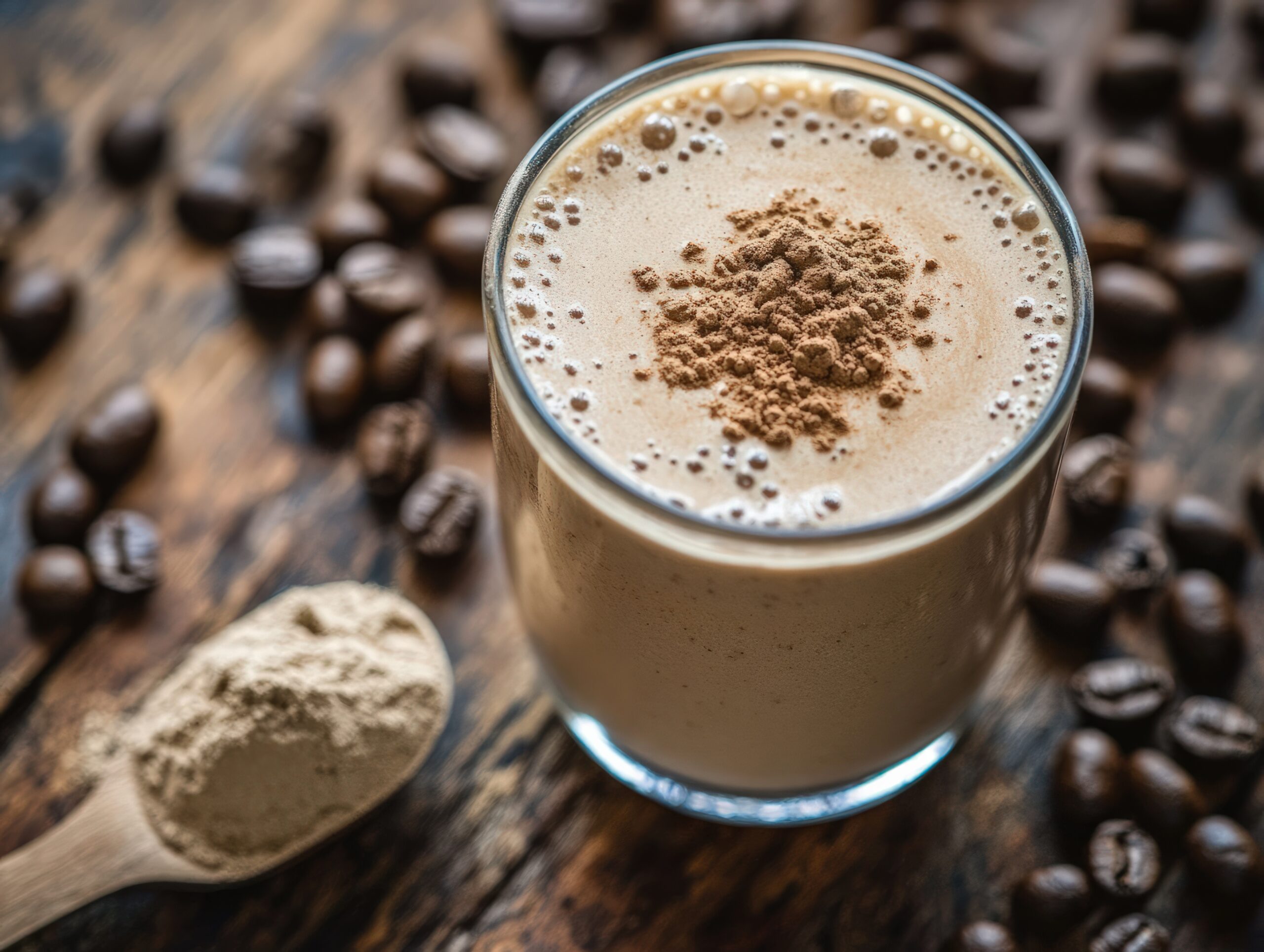
The simple version: protein coffee is coffee mixed with protein powder.
The ingredients decide what kind of drink this turns into: a simple coffee with protein, a shaker-style pre-workout option, or something closer to breakfast.
The setup is still simple. Coffee gives you the caffeine. Protein powder brings the protein. Everything else should support that.
START WITH THE RIGHT PROTEIN POWDER
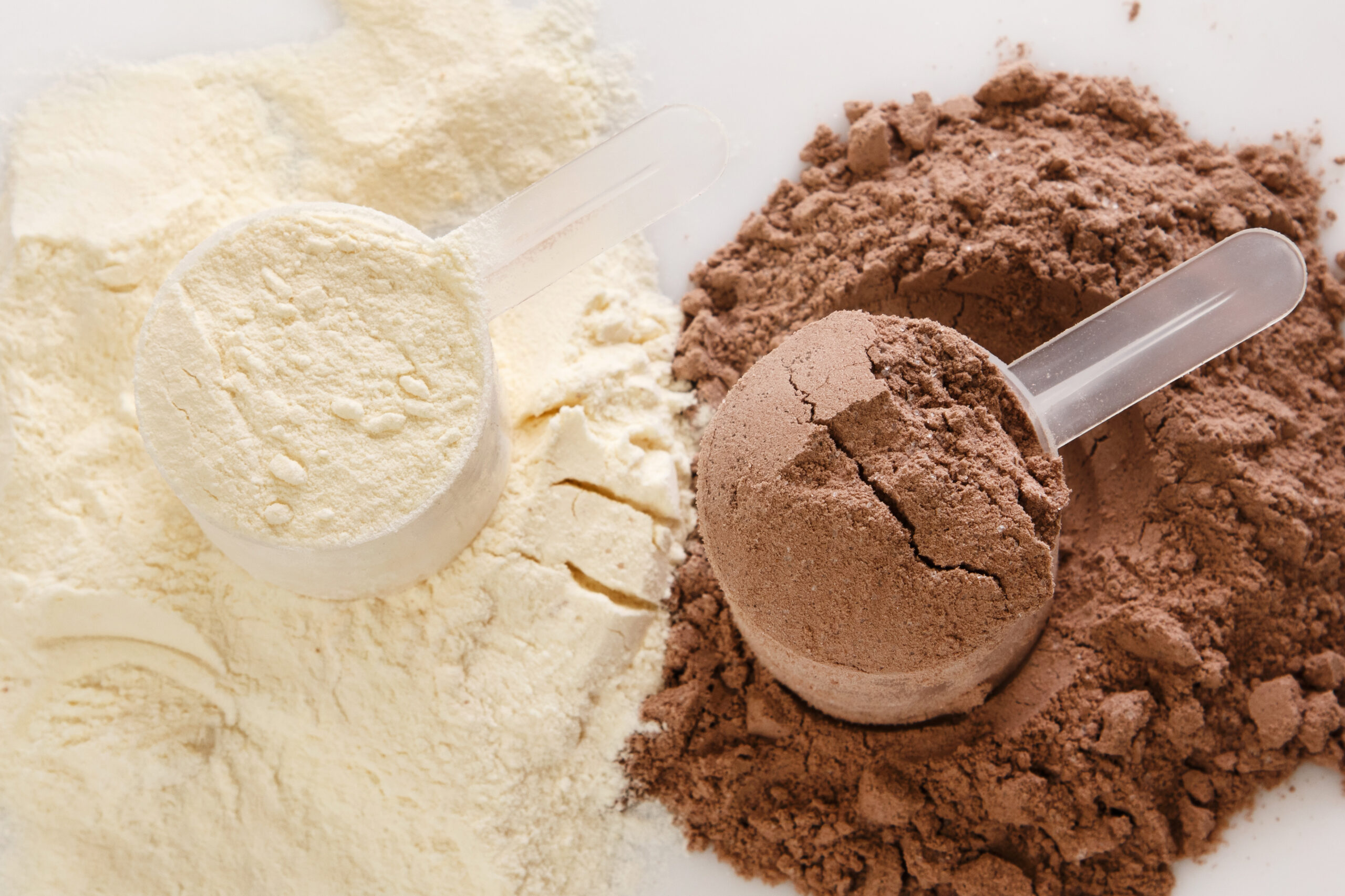
The protein powder changes almost everything in protein coffee: how much protein ends up in the drink, how smoothly it mixes, how heavy it feels, and whether it holds up better in hot coffee, cold brew, or iced recipes.
Whey Protein Concentrate: This is one of the most common protein options. It gives you complete protein, mixes fairly well, and tends to have a creamier texture than leaner powders. The drawback is lactose. Whey concentrate tends to carry a lot more lactose than isolate. If you are lactose intolerant and whey concentrate upsets your stomach, an isolate or a blend is often the safer option.
Whey Protein Isolate: Whey isolate is a leaner option than concentrate, which helps keep protein coffee from getting too thick too fast. It is a smart pick when you want the drink to stay closer to coffee than a heavy shake. The only downside can be price.
Whey Protein Blends: This category fits people who want more protein per serving without using multiple scoops. A blend can also give the drink a fuller texture, which helps in recipes that lean closer to a protein shake than a plain cup of coffee. I’d recommend ATHLEAN-RX PRO-30G. It gives you 30 grams of protein per serving from whey protein isolate, whey protein concentrate, and egg white protein, so you get a complete protein blend in one scoop. The label is fully open, sugar stays low, and the higher protein serving makes it easier to build the drink without piling in extra ingredients just to get the numbers up.
Plant-Based Protein Powder: Plant-based protein can work in protein coffee, but texture is where a lot of these powders fall apart. Many of them turn gritty, dry, or overly thick, especially in hot coffee. Cold brew and iced recipes hide that a little better. If you want a dairy-free option that stays smoother, PRO-30G Vegan solves a lot of that problem. It has a smoother texture than most plant-based powders and it delivers 30 grams of protein in every serving.
Collagen Peptides: Collagen works well in coffee because it dissolves easily, stays smooth, and can support joints, tendons, ligaments, and skin. There are plenty of reasons to use it but, despite what you see on social media, it is not a replacement for whey protein. Collagen is not a complete protein, so it is better used for its other benefits, not necessarily to hit your daily high protein intake.
Coffee-Flavored Protein Powders: If you want coffee flavor and caffeine content already built in, ATHLEAN-RX X-PRESSO is the cleaner shortcut. It gives you 30 grams of protein and 150 mg of caffeine per serving, so one scoop handles give you everything you’re looking for in protein coffee. That cuts down on measuring, keeps the recipe simpler, and makes it easier to control calories than starting with a coffee shop-style base and trying to fix it later.
The short version:
- Use whey isolate if you want the lightest option.
- Use a blend like PRO-30G if you want more protein per scoop and a fuller drink.
- Use a plant-based blend if you need dairy-free.
- Use collagen only if mixing ease is the priority and you are fine with less complete protein support.
- Use X-PRESSO if you want protein, caffeine, and coffee flavor in one step.
CHOOSE THE RIGHT COFFEE BASE
The coffee base changes flavor, texture, strength, and how easily the protein mixes.
Hot Coffee: This is the simplest starting point if you want the drink to feel like coffee first. The drawback is mixing. If the coffee is too hot, protein powder can clump fast. Let it cool a bit first or mix the powder with a small amount of milk or water before adding it.
Cold Brew Coffee: This is one of the easiest options for protein coffee. It mixes more smoothly than hot coffee, keeps the drink cold, and pairs well with whey protein, almond milk, and ice. If you want an iced protein coffee without fighting texture, start here.
Iced Coffee: Iced coffee gives you a similar result, but it is often lighter and less concentrated than cold brew. That can be a plus if you want a milder coffee flavor. It can also get watered down faster once ice starts melting.
Cold Brew Concentrate: This gives you a stronger coffee flavor without adding too much liquid. That helps when you want the drink cold, bold, and not watered down by extra milk or ice. It is a good option for thicker protein coffee recipes.
Instant Espresso Powder: Instant coffee with no added sugars is the easiest way to get that flavor you want without adding much volume. It fits mocha, tiramisu, and other dessert-style protein recipes especially well. Use too much, though, and the drink can turn bitter fast.
Here’s how to choose:
- If you want a classic hot drink, go with hot coffee.
- If you want the smoothest mixing for iced recipes, go with cold brew.
- If you want stronger flavor in less liquid, use cold brew concentrate or instant espresso powder.
PICK A LIQUID THAT FITS THE GOAL
Once the coffee and protein powder are set, the liquid changes the texture, calories, and how filling the drink feels.
Unsweetened Almond Milk: This is one of the lightest options. It keeps calories lower and does not add much on top of the protein powder. That makes it a strong pick for leaner recipes, lighter morning drinks, or pre-workout protein coffee when you do not want the drink to get too heavy.
Oat Milk: Oat milk gives protein coffee a creamier texture and adds more carbs than almond milk. That can be a plus if you want the drink to feel closer to a coffeehouse drink or hold you over a little longer. The tradeoff is calories climb faster, so portions need more control.
Regular Milk: Regular milk adds creaminess, carbs, and extra protein. If the drink is closer to breakfast or needs to carry you further between meals, milk brings more to it than almond milk does. The tradeoff is that it is heavier, and for some people digestion can be an issue.
Other Dairy-Free Milks: Other non-dairy options can fit too, but they are not interchangeable. Some are thin. Some are creamy. Some are loaded with added sugar. If you go this route, unsweetened versions keep the drink easier to control.
Think about it this way:
- If you want the lightest option, use unsweetened almond milk.
- If you want a creamier texture, use oat milk.
- If you want more protein and a more filling drink, use regular milk.
KEEP SWEETENERS UNDER CONTROL
Sweeteners are where protein coffee can get out of hand fast.
Flavored Protein Powder: This is often the easiest place to start. A mocha, caramel, or vanilla protein powder can sweeten the drink without forcing you to add vanilla syrup, creamer, and sugar on top of it. The catch is that some flavored powders are already very sweet, so piling more on top can push the drink too far.
Monk Fruit Extract: If you want a little more sweetness without adding sugar, monk fruit is one of the cleaner options. A small amount goes a long way, so use it lightly.
Organic Cane Sugar: This can work in small amounts, but it is easy to overpour, especially in iced drinks where sweetness gets harder to judge. Once it starts climbing, the drink shifts away from protein coffee and closer to a coffeehouse dessert drink.
Chocolate Syrup and Flavored Creamers: This is where a lot of recipes lose control. These ingredients bring sweetness fast, but they also bring extra sugar and calories fast. If both are in the same drink, it adds up quickly.
Sugar Alcohols and Artificial Sweeteners: These can keep sugar lower, but they are not a free pass. Some people do fine with them. Others end up bloated, gassy, or stuck with an aftertaste that ruins the drink. If your protein coffee keeps bothering your stomach, this is one of the first places to look.
A quick way to choose:
- Start with the sweetness already in the protein powder.
- If it still needs more, use a small amount of monk fruit extract.
- Once syrups, creamers, sugar alcohols, and extra sweeteners start stacking up, the drink gets harder to control.
USE FATS SPARINGLY
Added fat can turn a light protein coffee into a heavier, higher-calorie drink with one spoonful.
Nut Butter: A tablespoon of peanut butter or almond butter can make the drink thicker, creamier, and more filling. That fits breakfast-style recipes or protein coffees meant to carry you longer between meals. The tradeoff is easy to see: calories go up fast, and too much can leave the drink heavy.
Coconut Oil: A teaspoon to a tablespoon of coconut oil or coconut cream can give protein coffee a richer texture and more staying power. It adds calories with almost no volume, so it is easy to pour in more than the drink needs.
When to Leave Fat Out: If the goal is a lighter protein coffee, skip the added fats. Pre-workout recipes, iced versions, and simple coffee-plus-protein drinks are easier to digest without nut butter or added oil.
So, when should fats go in?
- Use them when you want the drink to feel richer and hold you over longer.
- Leave them out when you want faster digestion and a lighter feel.
HOW MUCH PROTEIN SHOULD PROTEIN COFFEE HAVE?
Start with your daily protein intake, not the coffee cup.
If you lift, train hard, or want to hold on to muscle during fat loss, or build muscle, you should aim to get about 0.7 to 1.0 grams of protein per pound of bodyweight per day.
Here are a few examples of what that could look like for you:
- 160 pounds: about 112 to 160 grams per day
- 180 pounds: about 126 to 180 grams per day
- 200 pounds: about 140 to 200 grams per day
Once you know that number, the next step is deciding how much protein your coffee should cover.
For a standard protein coffee, I would say that 15 to 20 grams of protein is a realistic target.
That will amp up your daily protein intake while still letting the drink stay closer to coffee than a heavy protein shake.
It also fits a normal coffee setup better, especially if you are mixing protein into hot coffee, cold brew, or an iced version with a little milk.
If the recipe is larger, colder, and closer to a blended drink, then you can easily hit a range of 20 to 30 grams of protein. If you’re making something like a healthy frappe, you’ll have more room for a full scoop of protein and more liquid to carry it.
You don’t need every protein coffee to do the work of a protein shake or protein smoothie. Make it fit your needs.
For example, let’s say you weigh 180 pounds and want about 150 grams of protein per day. If your meals give you 120 grams, a protein coffee with 15 to 20 grams helps close the gap.
PROTEIN COFFEE RECIPES: PRE-WORKOUT
Naturally, pre-workout protein coffee should stay light. You don’t need fat and fiber sitting in your stomach once training starts.
These recipes give you caffeine and protein to support muscle protein synthesis without turning the drink into a breakfast replacement.
ORIGINAL PROTEIN COFFEE
This is the better pick if you want a hot protein coffee that still feels like coffee, not a blended drink poured into a mug. And you can pair your protein coffee with protein banana bread for a better breakfast.
NUTRITIONAL INFORMATION
- Prep Time: 5 minutes
- Yield: 1 serving
- Serving Size: 1 mug
- Calories Per Serving: about 90 to 110
- Protein Per Serving: about 15 grams
- Carbohydrates Per Serving: about 3 to 4 grams
- Fat Per Serving: about 1 to 2 grams
- Caffeine Per Serving: about 95 to 100 mg
INGREDIENTS
- 8 ounces hot arabica coffee, cooled for 2 to 3 minutes
- 1 scoop Vanilla PRO-30G (about 15 grams of protein)
- 1/3 cup unsweetened almond milk or other low-fat dairy or non-dairy milk
- 1/4 teaspoon vanilla extract
- Optional: monk fruit extract, to taste
DIRECTIONS
- Add the Vanilla PRO-30G, almond milk, and vanilla extract to a mug or shaker cup and stir until smooth.
- Slowly pour in the hot coffee while stirring.
- Add monk fruit if needed.
CLASSIC ICED PROTEIN COFFEE
This is the easiest iced protein coffee in the group. It is quick, light, and easy to take in a mason jar or shaker bottle on the way to the gym.
NUTRITIONAL INFORMATION
- Prep Time: 5 minutes
- Yield: 1 serving
- Serving Size: 1 mason jar or shaker bottle
- Calories Per Serving: about 95 to 115
- Protein Per Serving: about 15 grams
- Carbohydrates Per Serving: about 3 to 4 grams
- Fat Per Serving: about 1 to 2 grams
- Caffeine Per Serving: about 95 to 100 mg with brewed coffee; higher with cold brew
INGREDIENTS
- 8 ounces chilled coffee or cold brew
- 1 scoop Vanilla PRO-30G (about 15 grams of protein)
- 1/2 cup unsweetened almond milk
- 1/2 teaspoon vanilla extract
- 1 cup ice
DIRECTIONS
- Add the coffee, Vanilla PRO-30G, almond milk, and vanilla extract to a mason jar or shaker bottle.
- Shake until smooth.
- Add ice and shake again.
COLD BREW VANILLA PROTEIN SHAKE
This one lands closer to a lighter protein shake than a normal cup of coffee. It is still lean enough for pre-workout, but it gives you a little more protein and a colder, thicker texture.
NUTRITIONAL INFORMATION
- Prep Time: 5 minutes
- Yield: 1 serving
- Serving Size: 1 shake
- Calories Per Serving: about 140 to 160
- Protein Per Serving: about 22 to 23 grams
- Carbohydrates Per Serving: about 4 to 5 grams
- Fat Per Serving: about 2 to 3 grams
- Caffeine Per Serving: about 220 to 235 mg, depending on the concentrate
INGREDIENTS
- 6 ounces cold brew concentrate
- 5 scoops Vanilla PRO-30G (about 22 to 23 grams of protein)
- 3/4 cup unsweetened almond milk
- 1/2 teaspoon vanilla extract
- 1 cup ice
DIRECTIONS
- Add the cold brew, Vanilla PRO-30G, almond milk, vanilla extract, and ice to a blender.
- Blend until smooth.
MOCHA PROTEIN COFFEE
Mocha is one of the easiest flavor upgrades because coffee and chocolate already pair together. This is also the cleanest spot to use X-PRESSO Protein Powder.
NUTRITIONAL INFORMATION
- Prep Time: 5 minutes
- Yield: 1 serving
- Serving Size: 1 iced coffee or blended drink
- Calories Per Serving: about 105 to 115
- Protein Per Serving: about 15 grams
- Carbohydrates Per Serving: about 5 to 6 grams
- Fat Per Serving: about 2 grams
- Caffeine Per Serving: about 170 to 175 mg with brewed coffee
INGREDIENTS
- 8 ounces chilled coffee
- 1 scoop Mochaspresso X-PRESSO Protein Powder (about 15 grams of protein and 75 mg of caffeine)
- 1/2 cup unsweetened almond milk
- 1 teaspoon unsweetened cocoa powder
- 1 cup ice
- Optional: pinch of cinnamon
DIRECTIONS
- Add the coffee, Mochaspresso X-PRESSO Protein Powder, almond milk, cocoa powder, and ice to a blender or shaker bottle.
- Blend or shake until smooth.
- Pour into a glass.
- Add cinnamon on top if you want it.
PROTEIN COFFEE RECIPES: FAT LOSS
The goal with these protein coffee recipes is simple: provide enough protein to help with your daily intake while also keeping you feeling satisfied until your next nutrition-filled meal.
One of the ways I do this is by including a small amount of MCT oil or coconut oil.
These healthy fats support fat loss goals by increasing satiety, slowing digestion a bit, and helping you go longer before the next meal without getting hit with hunger.
FRENCH VANILLA PROTEIN COFFEE
This gives you the French vanilla flavor people want, but without turning the drink into a sugar-heavy coffee order.
NUTRITIONAL INFORMATION
- Prep Time: 5 minutes
- Yield: 1 serving
- Serving Size: 1 mug or iced coffee
- Calories Per Serving: about 130 to 140
- Protein Per Serving: about 15 grams
- Carbohydrates Per Serving: about 2 to 3 grams
- Fat Per Serving: about 5 to 7 grams
- Caffeine Per Serving: about 95 to 100 mg
INGREDIENTS
- 8 ounces hot or chilled coffee
- 1 scoop French Vanilla Bean PRO-30G (about 15 grams of protein)
- 1/2 cup unsweetened almond milk
- 1 teaspoon MCT oil
- 1/4 teaspoon vanilla extract
- Optional: monk fruit extract, to taste
DIRECTIONS
- Add the coffee, French Vanilla Bean PRO-30G, almond milk, MCT oil, and vanilla extract to a blender or shaker bottle.
- Blend or shake until smooth.
- Taste and add monk fruit if needed.
HAZELNUT PROTEIN COFFEE
Hazelnut gives the drink more flavor without forcing you to lean on syrup or sweet cream. Using Vanilla Bean PRO-30G Vegan also keeps this one dairy-free.
NUTRITIONAL INFORMATION
- Prep Time: 5 minutes
- Yield: 1 serving
- Serving Size: 1 hot coffee or iced coffee
- Calories Per Serving: about 90 to 110
- Protein Per Serving: about 15 grams
- Carbohydrates Per Serving: about 2 to 4 grams
- Fat Per Serving: about 1 to 3 grams
- Caffeine Per Serving: about 95 to 100 mg
INGREDIENTS
- 8 ounces coffee or cold brew
- 1 scoop Vanilla Bean PRO-30G Vegan (about 15 grams of protein)
- 1/2 cup unsweetened almond milk
- 1/4 teaspoon hazelnut extract
- Ice, if serving cold
DIRECTIONS
- Add the coffee, Vanilla Bean PRO-30G Vegan, almond milk, and hazelnut extract to a shaker bottle or blender.
- Shake or blend until smooth.
SALTED CARAMEL PROTEIN COFFEE
Caramel Macchiato X-PRESSO gives you the caramel coffee flavor up front, which keeps the recipe simpler. The teaspoon of coconut oil adds a little more satiety without driving calories up too fast.
NUTRITIONAL INFORMATION
- Prep Time: 5 minutes
- Yield: 1 serving
- Serving Size: 1 iced coffee
- Calories Per Serving: about 130 to 145
- Protein Per Serving: about 15 grams
- Carbohydrates Per Serving: about 3 to 4 grams
- Fat Per Serving: about 5 to 7 grams
- Caffeine Per Serving: about 170 to 175 mg
INGREDIENTS
- 8 ounces chilled coffee
- 1 scoop Caramel Macchiato X-PRESSO Protein Powder (about 15 grams of protein and 75 mg of caffeine)
- 1/2 cup unsweetened almond milk
- 1 teaspoon melted coconut oil
- Pinch of sea salt
- 1 cup ice
DIRECTIONS
- Add the coffee, Caramel Macchiato X-PRESSO, almond milk, coconut oil, and sea salt to a blender.
- Blend until smooth.
- Pour over ice and drink cold.
DECAF CAPPUCCINO PROTEIN COFFEE
This is the lower-caffeine option for later in the day when you still want a warm coffee drink with protein. French Vanilla Bean PRO-30G keeps the flavor light and fits the decaf setup better.
NUTRITIONAL INFORMATION
- Prep Time: 7 minutes
- Yield: 1 serving
- Serving Size: 1 mug
- Calories Per Serving: about 90 to 100
- Protein Per Serving: about 15 grams
- Carbohydrates Per Serving: about 2 to 3 grams
- Fat Per Serving: about 1 to 2 grams
- Caffeine Per Serving: about 6 to 20 mg
INGREDIENTS
- 2 shots decaf espresso, cooled slightly
- 1 scoop French Vanilla Bean PRO-30G (about 15 grams of protein)
- 1/2 cup unsweetened almond milk
- Optional: pinch of cinnamon
DIRECTIONS
- Add the French Vanilla Bean PRO-30G and decaf espresso to a mug and stir until smooth.
- Heat the almond milk until warm, then use a milk frother.
- Pour the frothed milk over the espresso mixture.
- Add cinnamon on top if you want it.
PROTEIN COFFEE RECIPES: SNACK SWAPS
These recipes are for the part of the day when you want coffee to scratch the same itch as dessert.
They use sweeter, more coffee shop-style flavors, but with enough protein to help keep your daily intake moving in the right direction.
The point is to give you a drink that feels more satisfying than plain coffee without turning into a sugar-heavy order that does nothing for hunger or your protein goal.
If you have a real sweet tooth, pair it with protein brownies for a dessert-style option that still helps you reach your protein goal.
TIRAMISU PROTEIN COFFEE
This keeps tiramisu in the coffee lane. Espresso and cocoa do most of the work, so the drink still tastes like coffee instead of cake batter.
NUTRITIONAL INFORMATION
- Prep Time: 5 minutes
- Yield: 1 serving
- Serving Size: 1 iced coffee
- Calories Per Serving: about 95 to 105
- Protein Per Serving: about 15 grams
- Carbohydrates Per Serving: about 3 to 4 grams
- Fat Per Serving: about 2 to 3 grams
- Caffeine Per Serving: about 170 to 175 mg
INGREDIENTS
- 2 shots espresso, cooled
- 1/2 cup chilled coffee
- 1 scoop Cookies and Cream PRO-30G (about 15 grams of protein)
- 1/2 cup unsweetened almond milk
- 1 teaspoon unsweetened cocoa powder
- 1 cup ice
- Optional: light dusting of cocoa powder on top
DIRECTIONS
- Add the espresso, chilled coffee, Cookies and Cream PRO-30G, almond milk, cocoa powder, and ice to a blender or shaker bottle.
- Blend or shake until smooth.
- Pour into a glass.
- Dust lightly with cocoa powder on top if you want it.
WHITE CHOCOLATE MOCHA PROTEIN COFFEE
White chocolate mocha can get out of hand fast once syrup shows up. This version keeps the coffee and chocolate up front and trims the extra sugar.
NUTRITIONAL INFORMATION
- Prep Time: 5 minutes
- Yield: 1 serving
- Serving Size: 1 iced coffee
- Calories Per Serving: about 95 to 100
- Protein Per Serving: about 15 grams
- Carbohydrates Per Serving: about 3 to 4 grams
- Fat Per Serving: about 2 grams
- Caffeine Per Serving: about 170 to 175 mg
INGREDIENTS
- 8 ounces chilled coffee
- 1 scoop Mochaspresso X-PRESSO Protein Powder (about 15 grams of protein and 75 mg of caffeine)
- 1/2 cup unsweetened almond milk
- 1/4 teaspoon white chocolate extract
- 1 cup ice
DIRECTIONS
- Add the chilled coffee, Mochaspresso X-PRESSO Protein Powder, almond milk, white chocolate extract, and ice to a shaker bottle or blender.
- Shake or blend until smooth.
- Pour into a glass and serve cold.
SUGAR COOKIE PROTEIN COFFEE
A sugar cookie coffee only works if the flavor stays light. Too much extract and sweetener like stevia blend and the drink starts tasting like frosting.
NUTRITIONAL INFORMATION
- Prep Time: 5 minutes
- Yield: 1 serving
- Serving Size: 1 hot coffee or iced coffee
- Calories Per Serving: about 90 to 95
- Protein Per Serving: about 15 grams
- Carbohydrates Per Serving: about 2 to 3 grams
- Fat Per Serving: about 2 grams
- Caffeine Per Serving: about 95 to 100 mg
INGREDIENTS
- 8 ounces hot or chilled coffee
- 1 scoop French Vanilla Bean PRO-30G (about 15 grams of protein)
- 1/2 cup unsweetened vanilla almond milk
- 1/8 teaspoon almond extract
- 1/4 teaspoon vanilla extract
- Optional: pinch of cinnamon
DIRECTIONS
- Add the coffee, French Vanilla Bean PRO-30G, almond milk, almond extract, and vanilla extract to a mug, blender, or shaker bottle.
- Stir, blend, or shake until smooth.
- Add a pinch of cinnamon on top if you want it.
WHITE CHOCOLATE PEPPERMINT PROTEIN COFFEE
This gives you the holiday-coffee flavor without crushed candy, whipped cream, or a drive-thru calorie count.
NUTRITIONAL INFORMATION
- Prep Time: 5 minutes
- Yield: 1 serving
- Serving Size: 1 hot coffee or iced coffee
- Calories Per Serving: about 95 to 100
- Protein Per Serving: about 15 grams
- Carbohydrates Per Serving: about 3 to 4 grams
- Fat Per Serving: about 2 to 3 grams
- Caffeine Per Serving: about 95 to 100 mg
INGREDIENTS
- 8 ounces hot or chilled coffee
- 1 scoop Mint Chocolate Chip PRO-30G (about 15 grams of protein)
- 1/2 cup unsweetened almond milk
- 1/4 teaspoon white chocolate extract
- Optional: 1 drop peppermint extract
DIRECTIONS
- Add the coffee, Mint Chocolate Chip PRO-30G, almond milk, and white chocolate extract to a mug, blender, or shaker bottle.
- Mix until smooth.
- Add 1 drop of peppermint extract only if you want a sharper mint flavor.
Throwing protein powder into coffee does not automatically make it a better drink.
A protein coffee should give you enough protein to help with daily intake, use ingredients that fit the goal, and stay out of the syrup-and-creamer trap that ruins a lot of these drinks.
Get that part right, and you end up with a coffee that can support pre-workout energy, appetite control, or a smarter snack swap without dragging in a pile of extra sugar.
Check out our complete line of ATHLEAN-RX Supplements and find the best training program for you based on your fitness level and goals.

- Protein coffee should bring your daily protein intake up, not turn into another sugar-heavy coffee order.
- Start with the protein powder. Whey isolate keeps the drink lighter, PRO-30G gives you more protein per serving, plant-based powder can work if the texture holds up, and collagen fits better as an add-in than the main protein source.
- Pick the coffee base based on the drink you want. Hot coffee feels more like a normal cup, cold brew mixes more smoothly, and cold brew concentrate or espresso gives you stronger flavor without adding much extra liquid.
- Keep the liquid matched to the goal. Unsweetened almond milk keeps calories lower, oat milk adds creaminess and more carbs, and regular milk makes the drink more filling while adding extra protein.
- Do not let sweeteners take over. A flavored protein powder and a small amount of monk fruit can be enough. Once syrups, creamers, and extra sweeteners start piling up, the drink starts drifting away from the point of protein coffee.
- Use fats with a reason. Nut butter, MCT oil, or coconut oil can make the drink richer and help it hold you longer, but they also push calories up fast. Keep them for the recipes that need more staying power.
- For most standard recipes, aim for about 15 to 20 grams of protein. Bigger blender-style versions can push closer to 20 to 30 grams.
PROTEIN COFFEE FAQS
Yes, you can mix protein powder with coffee.
The issue is not whether you can do it. The issue is whether it will mix cleanly and still taste good once you do. If the coffee is too hot, protein powder can clump fast and leave you with a grainy drink that feels nothing like coffee.
The easiest fix is to let hot coffee cool for a couple minutes before adding the powder. You can also mix the powder with a small splash of milk or water first, then pour in the coffee. If you want the smoothest result, cold brew and iced coffee are easier to work with than piping hot coffee.
The type of protein changes the result too. Whey isolate and smoother blends tend to mix more cleanly and keep the drink lighter. Plant-based powders can work, but many get thicker and gritty in hot coffee. Collagen dissolves easily, but it should not replace whey or a complete plant blend if your goal is to bring your daily protein intake up.
Protein coffee can help you bring your daily protein intake up, and it can give you a better option than a coffee drink built around syrup, sweetened creamer, and very little nutrition. But that only applies if the drink is built well.
A good protein coffee gives you enough protein to be worth drinking. For most standard recipes, that means around 15 to 20 grams. Blender and coffee protein shakes can go higher, usually up to 30 grams of protein.
It also needs to keep sugar under control. Coffee with protein powder is one thing. Coffee with protein powder, chocolate caramel syrup, whipped topping, and sweet cream is something else. Once that starts piling up, the drink stops looking much different from the coffeehouse orders people were trying to clean up in the first place.
The last question is whether it fits the reason you are drinking it. Before training, it should stay lighter and easier to digest. In a fat-loss phase, protein needs to stay up while extra calories stay under control. If you want it to help you last until the next meal, it needs more structure than just sweetness.
Jeff Cavaliere M.S.P.T, CSCS
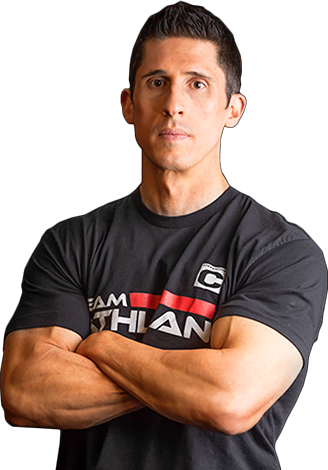
Jeff Cavaliere is a Physical Therapist, Strength Coach and creator of the ATHLEAN-X Training Programs and ATHLEAN-Rx Supplements. He has a Masters in Physical Therapy (MSPT) and has worked as Head Physical Therapist for the New York Mets, as well as training many elite professional athletes in Major League Baseball, NFL, MMA and professional wrestling. His programs produce “next level” achievements in muscle size, strength and performance for professional athletes and anyone looking to build a muscular athletic physique.