






WHY CHOOSE PROTEIN balls?
Problem is that you didn’t prepare anything… so what do you do? If you’re like most people, you go right back to the same snacks that have been causing trouble since the start.
Protein balls give you another option.
Protein balls are easy to prep, easy to portion, and easy to keep on hand for the part of the day when people stop thinking through food choices and start grabbing whatever is closest.
But a protein balls recipe requires more than mixing a scoop of low-grade protein powder with whatever sweetener you have.
In this guide, I’m going to cover what protein balls are, how much protein they should have, and how to make better versions at home, including my favorite: peanut butter protein balls.
WHAT ARE PROTEIN BALLS?
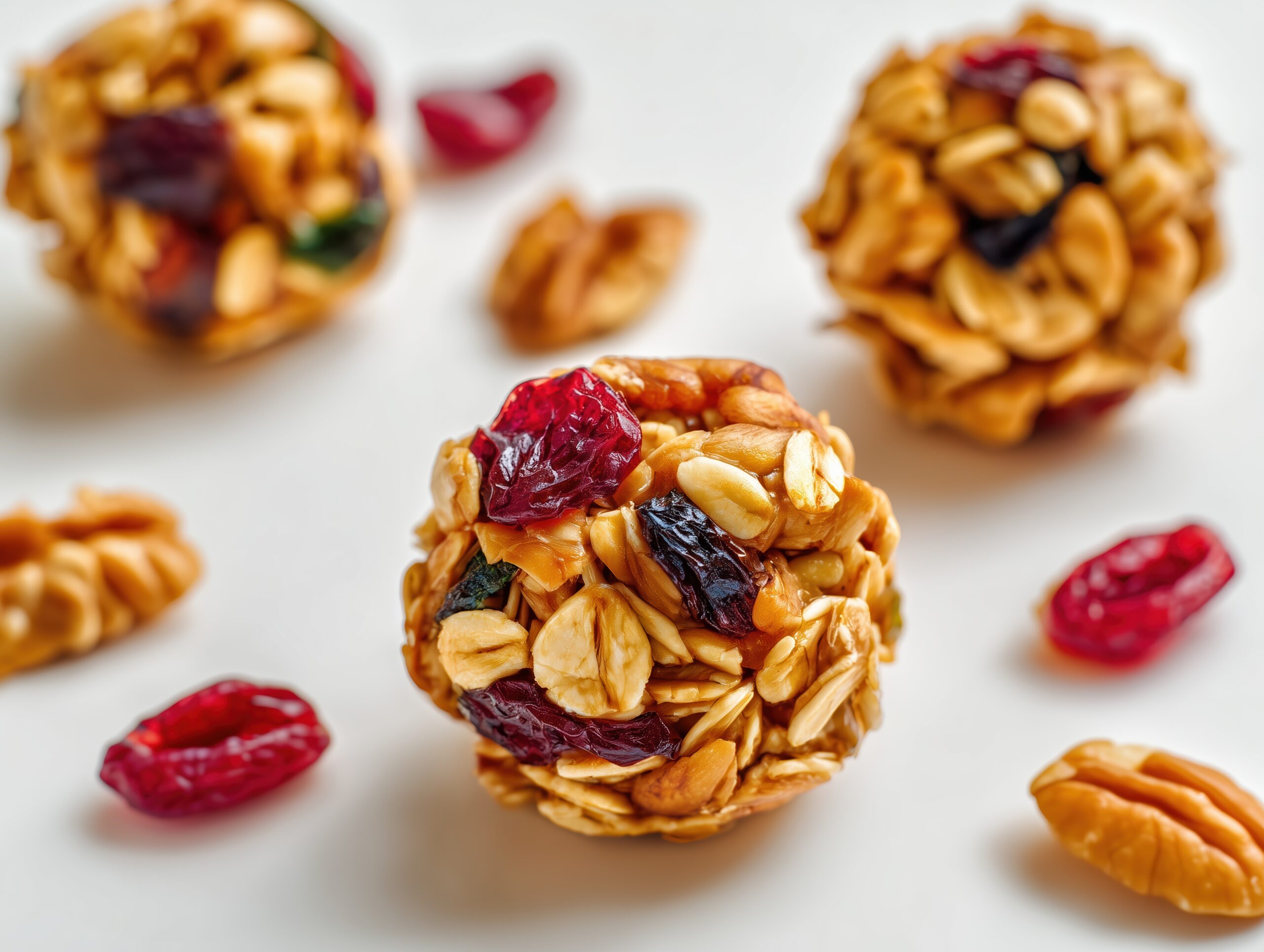
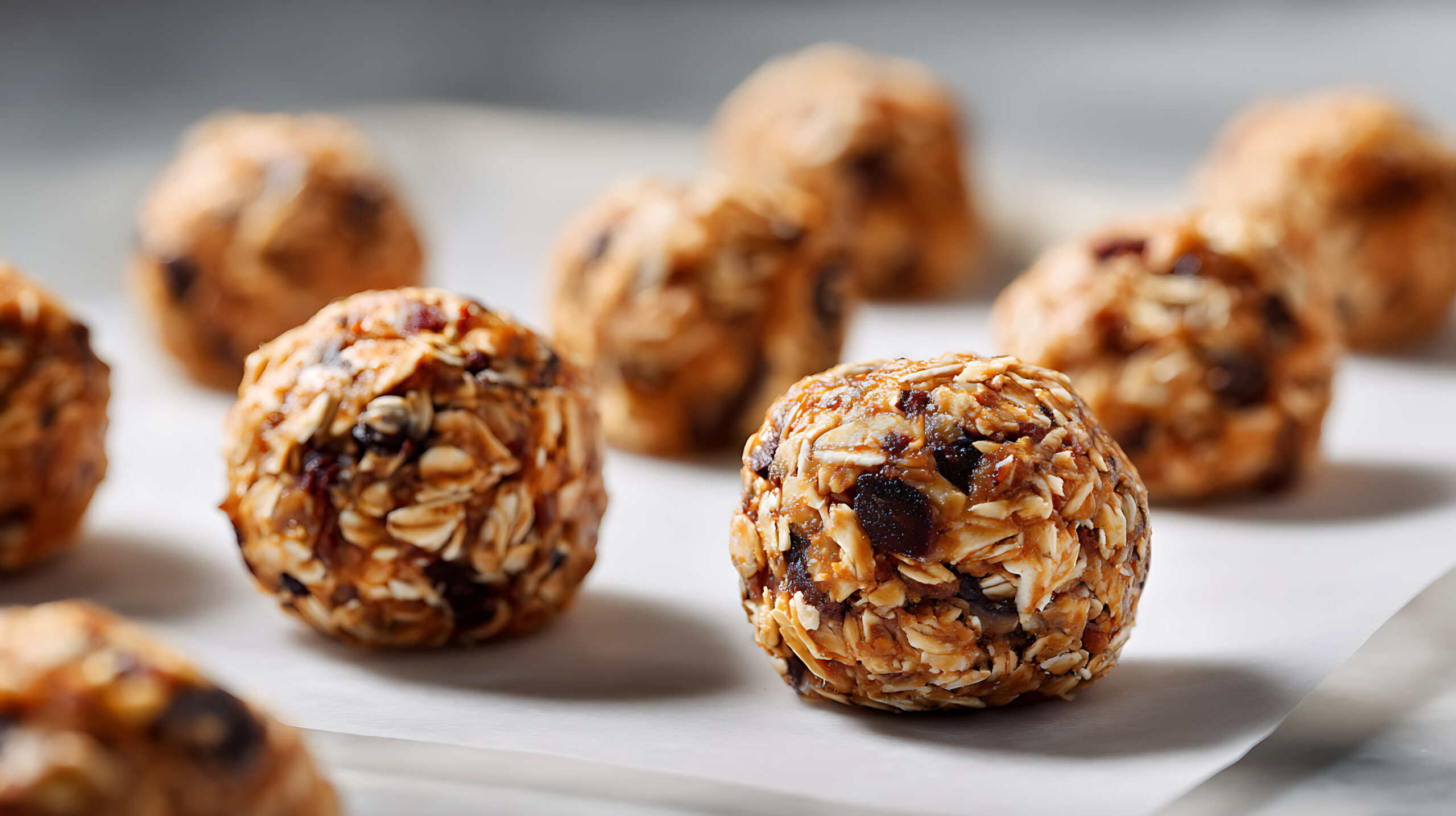
Protein balls are no-bake snack bites made from a protein source, a binder, and a dry base that helps hold the mixture together.
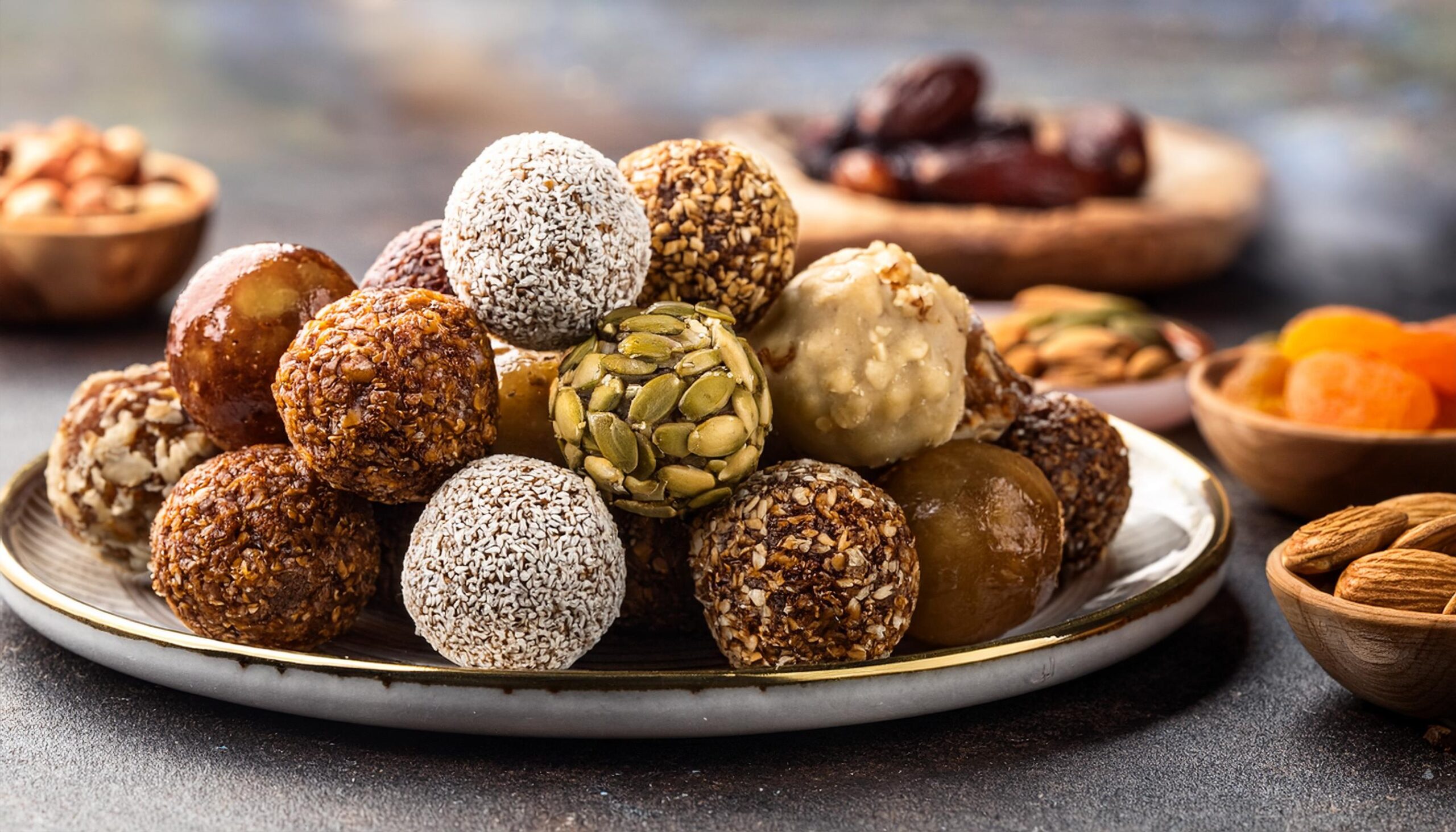
Most recipes use ingredients like protein powder, peanut butter or another nut butter, rolled oats, chia seeds or ground flaxseed, and a small amount of sweetness from dates, honey, or maple syrup. Once mixed, the dough gets rolled into bite-sized portions and chilled until firmer.
They’re easy to prep, easy to store, and easy to grab when you need something quick. They are also easier to portion than a homemade tray bake, which makes them a practical fit for meal prep.
While some protein balls recipes give you enough protein per serving to support muscle gain, fat loss, or maintenance, others are closer to energy bites, with most of the calories coming from oats, nut butter, and sweeteners.
If the protein stays low, you are looking at more of an energy bite than a protein snack.
ARE PROTEIN BALLS HEALTHY?
Protein balls can be a healthy snack, but the recipe has to support that.
A quick way to judge them is to look at five things:
- Enough Protein: If a serving of two protein balls gives you less than about 10 grams of protein, it is light for a protein snack. A stronger range is about 10 to 20 grams per serving, depending on the size of the recipe and how you plan to use it.
- Clear Portions: Protein balls are easy to overeat because they are small and easy to grab. A better recipe makes the serving size clear from the start, so you know what two or three protein balls really give you.
- Calories Under Control: Peanut butter, almond butter, dates, maple syrup, chocolate chips, and shredded coconut can all fit in the recipe. The issue starts when those ingredients push calories up fast without doing much to bring the protein up with them.
- Protein Comes First: A better protein balls recipe starts with a strong protein base, then builds texture and flavor around it. If the main ingredients are mostly oats, nut butter, and sweetener, the finished product is closer to an energy bite than a protein-forward snack.
- Fits the Goal: A snack for muscle gain can be more filling and carry more calories. A snack for fat loss needs a tighter calorie range. A lighter recipe may fit one goal well and fit another poorly. The nutrition should match the job you want the snack to do.
PROTEIN BALLS VS. STORE-BOUGHT PROTEIN BARS
Protein balls and store-bought bars can both fill the same role: a quick snack when you need something fast and higher in protein than the average grab-and-go option.
The difference is the amount of control you have.
With homemade protein balls, you are in charge of the ingredients, the texture, the sweetness, and the portion size. You can keep the recipe simple, adjust the protein up, and skip ingredients that do not sit well with you.
Store-bought protein bars are better for convenience.
Almost every store sells them. They are ready to throw in a bag, easy to keep at work, and often higher in protein per serving.
Many bars land around 15 to 25 grams of protein, which can be more than a typical serving of homemade protein balls unless the recipe is built around a generous amount of protein powder.
But bars can also come with things you probably don’t want like more sugar alcohols, fillers, and processed ingredients that don’t digest well.
Protein balls make more sense when you want a homemade snack and more control over what goes into it. Protein bars still fit when convenience is the priority and you need something ready right away.
HOW MUCH PROTEIN SHOULD PROTEIN BALLS HAVE?
Protein balls should give you enough protein per serving to help move your day forward, not just add a little on top.
For most recipes, one small protein ball will land around 5 to 8 grams of protein. A two-ball serving should aim for about 10 to 16 grams.
If you want protein balls to do more than cover a craving and instead help as a post-workout snack or a bridge between meals, pushing closer to 15 to 20 grams per serving is a better target.
That also helps you decide how many to eat.
One protein ball can be enough for a light snack. Maybe it’s a kind of topper snack that pushes your meal past the mark for 30 grams of protein.
Two to three make more sense when meals are farther apart or when you want the snack to contribute more to recovery and daily intake.
But let’s take a look at this in the bigger context of daily protein intake.
HOW MUCH PROTEIN DO YOU NEED EACH DAY?
The protein in one snack only makes sense when you look at the full day.
If you lift, train hard, or want to hold onto muscle while leaning out, a practical daily target is about 0.7 to 1.0 grams of protein per pound of body weight. To get a better estimate of the right protein intake for you, check out our Protein Calculator.
For example, if you are:
- At 160 pounds, that puts you around 112 to 160 grams per day.
- At 180 pounds, that becomes about 126 to 180 grams.
- At 200 pounds, you are looking at about 140 to 200 grams per day.
That can sound like a lot until you break it up across the day.
Let’s say you weigh 180 pounds and want to hit about 150 grams of protein. If breakfast gives you 25 grams, lunch gives you 35, and dinner gives you 40, you are at 100 grams. You still need 50 grams to finish the day where you want it.
That is where snacks can either help or hurt.
If your afternoon snack gives you only a few grams of protein, it is not doing much to increase that number. If it gives you 12 to 18 grams, now you are in better shape. You are no longer trying to cram everything into dinner or a shake at the end of the night.
That is the way to look at protein balls.
They are not there to carry your whole protein plan. They are there to help in the part of the day where people tend to get hungry, grab whatever is close, and end up with calories that do very little for recovery or body composition.
If your meals are already hitting 30 to 40 grams of protein, protein balls can help fill in the smaller gaps. If your meals are lighter, then your snack needs to contribute more, and the recipe should reflect that.
WHY PRO-30G IS A GOOD CHOICE
If you want protein balls to deliver more protein without turning dry or dense, the protein powder matters.
ATHLEAN-X PRO-30G Protein Powder gives you 30 grams of protein per serving, which makes it easier to bring the protein up without having to dump a large amount of powder into the recipe. For protein balls, that helps keep the texture softer and the serving size more manageable.
That is a big deal for a no-bake recipe like this. There is not much room for error.
Too little protein powder and the recipe does not give you enough protein per serving. Too much, or the wrong kind, and the texture can go chalky fast.
Flavor is part of it too.
Protein balls need to be something you will want to keep in the fridge and reach for when hunger kicks in. A flavored protein powder can help with that while keeping the ingredient list tighter, especially in recipes like peanut butter, chocolate peanut butter, or cookie dough.
And if you want a plant-based option, PRO-30G Vegan Protein Powder gives you a way to keep the protein up without changing the whole concept of the recipe.
WHAT MAKES A GOOD PROTEIN BALLS RECIPE?
A good protein balls recipe does four things:
It gives you enough protein per serving, holds together without falling apart, tastes good enough to keep in rotation, and keeps the calories from climbing too fast.
Here is how to build that.
MAKE PROTEIN THE FOUNDATION OF THE RECIPE
If you want protein balls to help with your protein intake, the protein source has to be more than an afterthought.
For most no-bake protein balls, the easiest option is a vanilla or chocolate protein powder like ATHLEAN-X PRO-30G.
Powdered peanut butter can add flavor and bring the protein up a bit, especially in peanut butter protein balls, but it should not be the only protein source in the recipe.
In refrigerated versions, cottage cheese or Greek yogurt can help to increase the protein numbers, though those versions are less portable and need to stay cold.
A simple checkpoint: if a serving of two balls does not give you at least 10 grams of protein, it is lacking as a high-protein snack.
USE A BINDER THAT HOLDS THE MIX TOGETHER
Every recipe needs something to bind the dry ingredients. Common choices include creamy peanut butter, almond butter, sunflower butter, unsweetened applesauce, or medjool dates.
Each one changes the recipe a little.
Nut butters give you a richer texture. Applesauce keeps the mix lighter. Dates add sweetness and help the mixture stick together, especially if you blend them in a food processor.
The main point is portion control. A binder should help the recipe hold its shape, not take over the nutrition.
PICK A BASE THAT FITS THE TEXTURE YOU WANT
The dry base gives protein balls structure. Rolled oats and gluten-free oats are the most common choices because they are easy to work with and hold up well in the fridge.
Almond flour gives you a softer texture and can fit better in grain-free versions.
Shredded coconut can add texture, but it is easy to overdo.
For most recipes, one dry base is enough. You do not need a long ingredient list to make good no-bake protein balls.
ADD FLAVOR (BUT DON’T OVERDO IT)
The best flavor add-ins do a lot with a small amount. Vanilla extract, cinnamon, cocoa powder, and sea salt all fit here.
If you want some chocolate, a measured amount of mini chocolate chips or dark chocolate chips goes a lot further than people think.
This is also where flavored protein powder helps. It can give peanut butter, chocolate, or cookie dough recipes more flavor without forcing you to pile in extra sweeteners.
ADJUST THE TEXTURE BEFORE YOU ROLL
Before you portion anything out, check the mix.
If it is too dry, add a small splash of almond milk, a spoonful of applesauce, or a little more nut butter.
If it is too wet, add a bit more oats, almond flour, or protein powder.
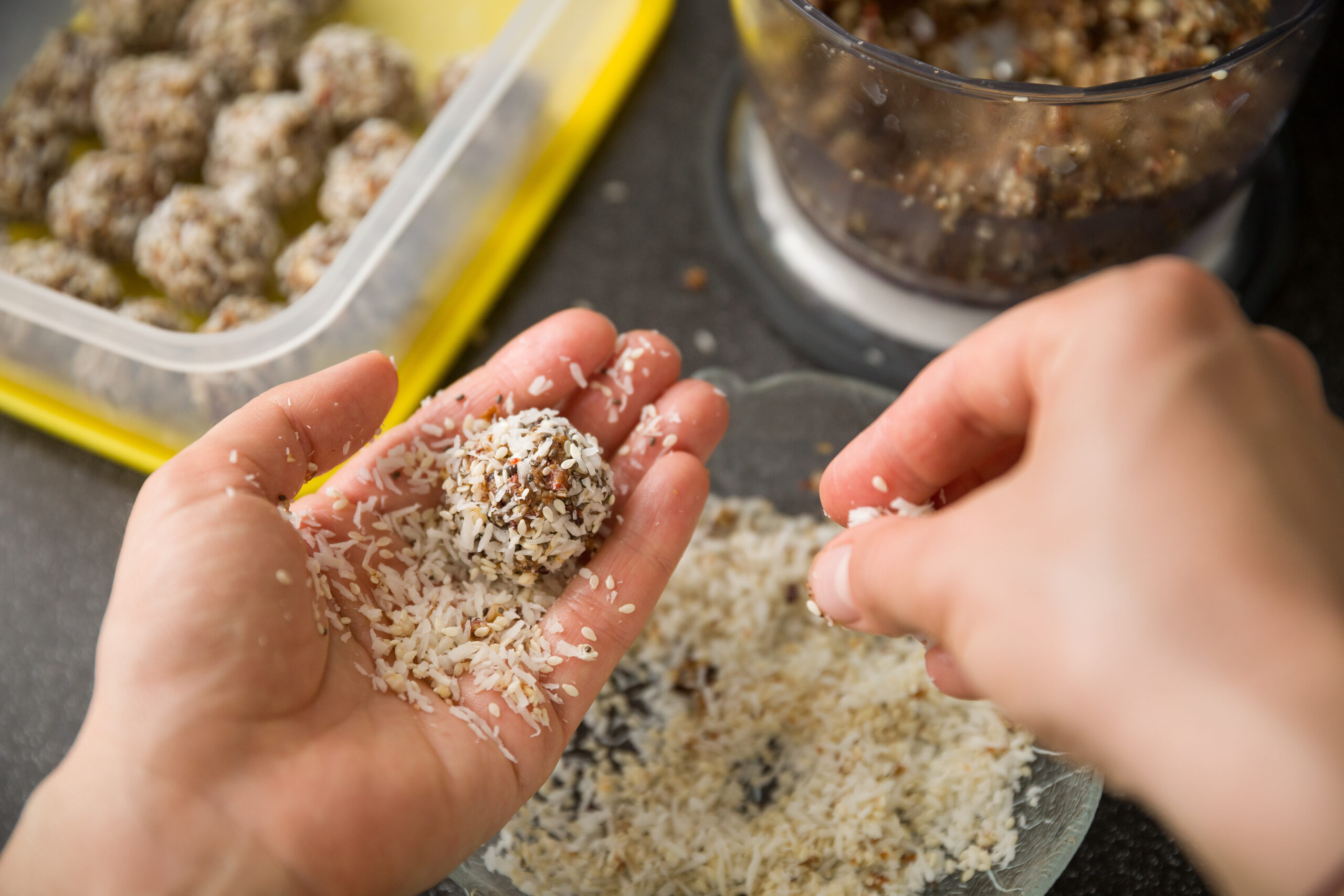
You want a mixture that rolls easily, holds together, and chills into a firmer bite. Once it feels right, scoop the mixture, roll it, and set the balls on parchment paper before refrigerating.
PROTEIN BALL RECIPES: MUSCLE GROWTH
These protein balls are the more filling options in the lineup.
They fit best when you want to bring calories and protein up between meals, around training, or during long workdays when a regular meal is not happening anytime soon.
PEANUT BUTTER PROTEIN BALLS
These are the best all-around peanut butter protein balls in the article. They are easy to prep, easy to store, and easy to keep in the fridge for the part of the day when hunger shows up fast.
NUTRITIONAL INFORMATION
- Prep Time: 10 minutes
- Chill Time: 30 minutes
- Yield: 16 protein balls
- Serving Size: 2 protein balls
- Calories Per Serving: about 220 to 250
- Protein Per Serving: about 13 to 15 grams
INGREDIENTS
- 1 cup gluten free rolled oats
- 1/2 cup natural peanut butter
- 2 scoops of vanilla protein powder (like ATHLEAN-X PRO-30G French Vanilla Bean)
- 2 tablespoons chia seeds or ground flaxseed
- 1 teaspoon vanilla extract
- 2 tablespoons mini chocolate chips
- 2 to 4 tablespoons unsweetened almond milk, as needed
DIRECTIONS
- Add the oats, vanilla protein powder, and chia seeds or flaxseed to a large mixing bowl. Stir until evenly combined.
- Add the peanut butter, vanilla extract, and 2 tablespoons almond milk.
- Mix with a spoon or spatula until a thick dough starts to form. If the mixture is too dry or crumbly, add 1 tablespoon of almond milk at a time until it holds together.
- Fold in the mini chocolate chips.
- Scoop the mixture into 16 even portions and roll into balls with your hands.
- Place the balls on a plate or tray lined with parchment paper.
- Refrigerate for at least 30 minutes before eating.
CHOCOLATE PEANUT BUTTER PROTEIN BALLS
This peanut butter balls version leans more into dessert flavor. It is richer, a little more indulgent, and a better fit for people who want something closer to a treat than a plain protein snack.
NUTRITIONAL INFORMATION
- Prep Time: 10 minutes
- Chill Time: 30 minutes
- Yield: 14 protein balls
- Serving Size: 2 protein balls
- Calories Per Serving: about 230 to 270
- Protein Per Serving: about 14 to 16 grams
INGREDIENTS
- 1 cup rolled oats
- 1/2 cup natural peanut butter
- 2 scoops chocolate protein powder (like ATHLEAN-X PRO-30G Chocolate Fudge Brownie)
- 1 tablespoon unsweetened cocoa powder
- 2 tablespoons dark chocolate chips
- 1/4 teaspoon sea salt
- 2 to 3 tablespoons unsweetened almond milk
DIRECTIONS
- In a large bowl, combine the rolled oats, chocolate protein powder, cocoa powder, and sea salt.
- Add the peanut butter and 2 tablespoons almond milk.
- Stir until the mixture starts to come together. If it feels too dry, add 1 more tablespoon almond milk.
- Fold in the dark chocolate chips.
- Portion the mixture into 14 balls and roll by hand.
- Set them on parchment paper or a plate and refrigerate for 30 minutes to firm up.
DATE-BASED ENERGY PROTEIN BALLS
This is the highest-carb recipe of the four. It is a better fit before training, before a long afternoon, or anytime you want a quicker energy boost along with protein. The dates bring sweetness and help hold the mix together, so this one can stay refined sugar-free without needing honey or brown rice syrup.
NUTRITIONAL INFORMATION
- Prep Time: 15 minutes
- Chill Time: 20 to 30 minutes
- Yield: 14 protein balls
- Serving Size: 2 protein balls
- Calories Per Serving: about 210 to 240
- Protein Per Serving: about 10 to 12 grams
INGREDIENTS
- 8 soft medjool dates, pitted
- 2 scoops vanilla protein powder (like ATHLEAN-X PRO-30G French Vanilla Bean)
- 1/2 cup rolled oats
- 1/4 cup almond butter
- 2 tablespoons chia seeds
- 2 tablespoons unsweetened shredded coconut
- 2 to 3 tablespoons water, if needed
DIRECTIONS
- Add the pitted dates and almond butter to a food processor. Blend until a thick paste forms.
- Add the vanilla protein powder, rolled oats, chia seeds, and shredded coconut.
- Pulse until the mixture starts to clump together. If it looks too dry, add 1 tablespoon of water at a time and pulse again.
- Scoop the mixture into 14 even portions and roll into balls.
- Place on parchment paper and refrigerate until firmer.
OATMEAL RAISIN PROTEIN BALLS
This version has more of a breakfast-style flavor. The texture is softer than the chocolate version, and the cinnamon-raisin combo gives it a different flavor from the peanut butter-heavy recipes. These are good when you want a snack that feels a little more like portable oatmeal than a dessert bite.
NUTRITIONAL INFORMATION
- Prep Time: 10 minutes
- Chill Time: 30 minutes
- Yield: 16 protein balls
- Serving Size: 2 protein balls
- Calories Per Serving: about 220 to 250
- Protein Per Serving: about 12 to 14 grams
INGREDIENTS
- 1 cup rolled oats
- 2 scoops vanilla protein powder like (like ATHLEAN-X PRO-30G French Vanilla Bean)
- 1/2 teaspoon cinnamon
- 1/2 cup peanut butter or almond butter
- 1/4 cup raisins
- 2 tablespoons ground flaxseed
- 1 teaspoon vanilla extract
- 2 to 4 tablespoons unsweetened almond milk, as needed
DIRECTIONS
- In a large bowl, combine the oats, vanilla protein powder, cinnamon, and ground flaxseed.
- Add the peanut butter or almond butter, vanilla extract, and 2 tablespoons almond milk.
- Stir until the mixture comes together into a thick dough. Add more almond milk, 1 tablespoon at a time, if it is too dry.
- Fold in the raisins.
- Scoop into 16 portions and roll into balls.
- Place on parchment paper and refrigerate for at least 30 minutes before serving.
PROTEIN BALL RECIPES: FAT LOSS
These protein balls are the lighter options in the lineup.
They fit best when you want a snack that helps with hunger control and protein intake without letting calories climb too fast.
With these recipes, you want enough protein to support your protein goals, keep an eye on the portion size, and make the recipe easy enough to prep ahead so you are not reaching for random healthy treats that do very little for body composition.
COOKIE DOUGH PROTEIN BALLS
These have a softer texture and more of a dessert-style feel, but the numbers stay tighter than most chocolate peanut butter protein bars or other packaged snacks. They are a good fit when you want something sweet without turning your snack into a calorie heavy detour.
NUTRITIONAL INFORMATION
- Prep Time: 10 minutes
- Chill Time: 30 minutes
- Yield: 14 protein balls
- Serving Size: 2 protein balls
- Calories Per Serving: about 170 to 200
- Protein Per Serving: about 13 to 15 grams
INGREDIENTS
- 1 1/4 cups almond flour
- 2 scoops vanilla protein powder (like ATHLEAN-X PRO-30G French Vanilla Bean)
- 1/4 cup natural peanut butter or cashew butter
- 1 teaspoon vanilla extract
- 2 tablespoons mini chocolate chips
- 1 to 2 tablespoons unsweetened almond milk, as needed
- 1 teaspoon maple syrup, optional
DIRECTIONS
- Add the almond flour and vanilla protein powder to a large mixing bowl. Stir until combined.
- Add the peanut butter or cashew butter, vanilla extract, and 1 tablespoon almond milk.
- Stir until the mixture forms a thick dough. If it is too dry, add more almond milk a little at a time.
- Fold in the mini chocolate chips. If you want a slightly sweeter cookie dough flavor, add the maple syrup here.
- Scoop into 14 even portions and roll into balls.
- Place on parchment paper or a plate and refrigerate for at least 30 minutes before serving.
LOWER-CARB ALMOND FLOUR PROTEIN BALLS
This is one of the leanest options on the list. It skips the oat-heavy base and keeps the build tighter, which makes it a better fit when you want protein-forward snacks with fewer carbs per serving. It also fits readers looking for paleo-friendly grain-free options.
NUTRITIONAL INFORMATION
- Prep Time: 10 minutes
- Chill Time: 30 minutes
- Yield: 14 protein balls
- Serving Size: 2 protein balls
- Calories Per Serving: about 180 to 210
- Protein Per Serving: about 14 to 16 grams
INGREDIENTS
- 1 1/4 cups almond flour
- 2 scoops vanilla protein powder (like ATHLEAN-X PRO-30G French Vanilla Bean)
- 1/4 cup almond butter
- 1/2 teaspoon cinnamon
- 1/4 teaspoon sea salt
- 2 to 3 tablespoons unsweetened almond milk
DIRECTIONS
- Add the almond flour, vanilla protein powder, cinnamon, and sea salt to a mixing bowl. Stir well.
- Add the almond butter and 2 tablespoons almond milk.
- Mix until the dough starts to hold together. Add 1 more tablespoon almond milk if needed.
- Scoop into 14 portions and roll into balls.
- Place on parchment paper and chill for 30 minutes before eating.
CINNAMON VANILLA PROTEIN BALLS
This is the simplest recipe in the fat loss group. The flavor is lighter, the ingredient list is shorter, and the texture sits between a protein ball and a soft cinnamon oat bite. If someone wants high-protein peanut butter energy balls without chocolate or a heavier dessert feel, this is a cleaner direction.
NUTRITIONAL INFORMATION
- Prep Time: 10 minutes
- Chill Time: 30 minutes
- Yield: 16 protein balls
- Serving Size: 2 protein balls
- Calories Per Serving: about 170 to 200
- Protein Per Serving: about 12 to 14 grams
INGREDIENTS
- 3/4 cup rolled oats
- 2 scoops vanilla protein powder (like ATHLEAN-X PRO-30G French Vanilla Bean)
- 1/3 cup natural peanut butter
- 1 teaspoon vanilla extract
- 1/2 teaspoon cinnamon
- 2 tablespoons ground flaxseed
- 2 to 3 tablespoons unsweetened almond milk
DIRECTIONS
- In a large bowl, combine the rolled oats, vanilla protein powder, cinnamon, and ground flaxseed.
- Add the peanut butter, vanilla extract, and 2 tablespoons almond milk.
- Stir until the mixture comes together. If it feels dry, add the remaining almond milk a little at a time.
- Scoop into 16 portions and roll into balls.
- Place on parchment paper and refrigerate for at least 30 minutes before serving.
MOCHA PROTEIN BALLS
These are a good fit for the afternoon when you want something chocolate-adjacent but not as heavy as dessert-style peanut butter bites. The espresso powder gives a different flavor profile from the other recipes, and the smaller amount of mix-ins helps keep the calories more controlled.
NUTRITIONAL INFORMATION
- Prep Time: 10 minutes
- Chill Time: 30 minutes
- Yield: 14 protein balls
- Serving Size: 2 protein balls
- Calories Per Serving: about 175 to 205
- Protein Per Serving: about 13 to 15 grams
INGREDIENTS
- 1 cup almond flour
- 2 scoops chocolate protein powder (like ATHLEAN-X PRO-30G Chocolate Fudge Brownie)
- 1 tablespoon unsweetened cocoa powder
- 1 teaspoon instant espresso powder
- 1/4 cup almond butter
- 2 to 3 tablespoons unsweetened almond milk
- 1 tablespoon dark chocolate chips, optional
DIRECTIONS
- In a large bowl, combine the almond flour, chocolate protein powder, cocoa powder, and espresso powder.
- Add the almond butter and 2 tablespoons almond milk.
- Stir until a thick dough forms. Add more almond milk if needed to bring it together.
- Fold in the dark chocolate chips if using.
- Scoop into 14 portions and roll into balls.
- Place on parchment paper and refrigerate for 30 minutes before serving.
PROTEIN BALL RECIPES: PLANT-BASED
These last two recipes are for readers who want a vegan option without dropping the protein too low.
The challenge with plant-based protein balls is texture. Some powders run drier or grittier than whey protein powder, so the recipe has to be tighter from the start.
The goal here is to keep the mix easy to roll, easy to store, and high enough in protein to still fit a snack built around your protein intake.
NUT-FREE SUNFLOWER PROTEIN BALLS
This is the more practical of the two plant-based recipes. It is nut-free, easy to pack, and easy to keep in the fridge for work or school. Sunflower butter gives it a softer texture, and a plant-based protein powder keeps the recipe dairy-free without changing the whole concept.
NUTRITIONAL INFORMATION
- Prep Time: 10 minutes
- Chill Time: 30 minutes
- Yield: 16 protein balls
- Serving Size: 2 protein balls
- Calories Per Serving: about 180 to 210
- Protein Per Serving: about 11 to 13 grams
INGREDIENTS
- 3/4 cup rolled oats
- 2 scoops vanilla plant-based protein powder (like ATHLEAN-X PRO-30G Vanilla Bean (Vegan))
- 1/3 cup sunflower butter
- 2 tablespoons ground flaxseed
- 1/2 teaspoon cinnamon
- 2 tablespoons raisins or dairy-free mini chocolate chips
- 2 to 4 tablespoons unsweetened almond milk, as needed
DIRECTIONS
- Add the rolled oats, vegan protein powder, ground flaxseed, and cinnamon to a large mixing bowl. Stir until evenly combined.
- Add the sunflower butter and 2 tablespoons almond milk.
- Mix until the dough starts to come together. If it is too dry, add more almond milk 1 tablespoon at a time.
- Fold in the raisins or dairy-free mini chocolate chips.
- Scoop into 16 even portions and roll into balls.
- Place on parchment paper or a tray and refrigerate for at least 30 minutes before serving.
VEGAN CHOCOLATE PROTEIN BALLS
This is the richer plant-based recipe in the lineup. It has more of a dessert-style feel, but the ingredient list still stays cleaner than a lot of packaged snacks.
Cocoa powder deepens the chocolate flavor, and a small amount of date helps the mixture hold together without needing a lot of syrup or other natural sweeteners.
NUTRITIONAL INFORMATION
- Prep Time: 15 minutes
- Chill Time: 30 minutes
- Yield: 14 protein balls
- Serving Size: 2 protein balls
- Calories Per Serving: about 190 to 220
- Protein Per Serving: about 12 to 14 grams
INGREDIENTS
- 1 cup almond flour
- 2 scoops chocolate vegan protein powder (like ATHLEAN-X PRO-30G Rich Double Chocolate (Vegan))
- 1 tablespoon unsweetened cocoa powder
- 1/4 cup almond butter or sunflower butter
- 1 large Medjool date, pitted
- 1 teaspoon vanilla extract
- 2 to 3 tablespoons unsweetened almond milk, as needed
- 1 tablespoon dairy-free dark chocolate chips
- Pinch of sea salt
DIRECTIONS
- Add the almond flour, chocolate vegan protein powder, cocoa powder, and sea salt to a mixing bowl.
- In a small food processor, blend the almond butter or sunflower seed butter with the Medjool date and vanilla extract until smoother.
- Add that mixture to the dry ingredients with 2 tablespoons almond milk.
- Stir until a thick dough forms. Add more almond milk if needed.
- Fold in the dairy-free dark chocolate chips.
- Scoop into 14 portions and roll into balls.
- Place on parchment paper and refrigerate for 30 minutes before serving.
COMMON PROTEIN BALL MISTAKES
A protein ball recipe can look good on paper and still fall short once you break down the serving size, protein, and total calories.
Here are the mistakes that show up most often.
PROTEIN TOO LOW
Some recipes get called high protein even though a serving only gives you 6 to 8 grams of protein.
That is light for a snack built around protein. A better range is about 10 to 20 grams per serving, depending on how you plan to use it.
If your goal is a quick bite between meals, the lower end may be enough. If you want the snack to help after training or hold you over for a few hours, the recipe needs to land higher.
This is one of the easiest ways a protein ball recipe gets oversold. The name says one thing, but the serving does not give you much.
TOO MUCH NUT BUTTER
Nut butter helps with flavor and texture, but it can shift the recipe fast.
A small amount can help hold the mixture together and make the protein balls easier to eat. Once the amount starts climbing, the calories go up much faster than the protein.
Two tablespoons of peanut butter can give you around 190 calories but only about 7 to 8 grams of protein. So, if the recipe leans too hard on nut butter, the protein-to-calorie tradeoff starts getting weaker.
This is one reason a protein powder base is so important. It helps bring the protein up without needing to lean as hard on higher-calorie ingredients.
TOO MUCH SWEETENER
Honey, maple syrup, dates, and other sweeteners can all fit in a protein ball recipe. The problem starts when the sweetness takes over the whole build.
A little can help with taste and texture. Too much turns the recipe into something closer to a dessert snack. That cuts into the nutritional benefits people are looking for when they make protein balls instead of grabbing something random from a vending machine or pantry shelf.
This shows up a lot in date-heavy recipes. One or two dates can help the texture. A bigger amount can push the carbs and calories up fast.
NO PORTION CONTROL
Protein balls are small, easy to eat, and easy to keep grabbing.
If you skip portioning and eat straight from the batch, it gets hard to tell whether you had one serving or three. A recipe that looks balanced on paper can get away from you fast when the serving size is not clear.
Rolling them to the same size from the start fixes a lot of that. If one batch makes 14 or 16 balls and the serving is always 2, the nutrition is much easier to manage.
TOO SMALL TO HELP
Tiny protein balls may look cleaner, but they can leave you with a serving that barely moves your intake.
If one ball only gives you 3 to 4 grams of protein, and two still leave you short, the recipe probably needs a stronger protein base or a more practical serving size. There is nothing wrong with a smaller bite, but then it should be framed as a light snack, not a serious protein option.
This is where presentation can fool people. A tray full of little bites looks like a lot of food, but the protein per serving may still be low.
USING THEM AS A FULL MEAL
Protein balls can help between meals. They are not always enough to replace one.
A serving with 10 to 12 grams of protein can be fine as a snack. It is a different story when you need a meal with 25 to 40 grams. If breakfast was light, lunch is delayed, or you just finished training, protein balls may need to complement protein from a shake, Greek yogurt, eggs, or another protein source instead of standing alone.
This is a big one for readers trying to hit higher daily protein targets. A snack can help close the gap, but it is not always enough to carry the whole feeding by itself.
ADDING TOO MANY EXTRAS
Extra chocolate, more nut butter, coconut oil, or toppings like vegan frosting can push a simple recipe in the wrong direction fast.
Those add-ons can make the protein balls richer, sweeter, or softer, but they can also change the calories a lot more than people expect. A small drizzle or mix-in may not seem like much, but once you stack several extras in the same batch, the numbers can shift fast.
The fix is simple: keep the protein high enough, keep the serving size clear, and keep the extras under control.
Protein balls are only a smart snack when the recipe is put together the right way.
A good protein balls recipe gives you enough protein to help, enough structure to portion easily, and enough flavor to keep in the fridge for the part of the day when convenience starts steering your food choices.
Avoid overly complicated recipes, match it to the goal, and you end up with a snack that is a lot easier to use consistently.
Check out our complete line of ATHLEAN-RX Supplements and find the best training program for you based on your fitness level and goals.

- A good protein balls recipe should give you about 10 to 20 grams of protein per serving, depending on whether you want a lighter snack or a more filling option.
- If a serving only gives you 6 to 8 grams of protein, it is closer to an energy bite than a snack built to help with protein intake.
- The easiest way to bring the protein up is to start with a stronger base, like whey or plant-based protein powder, instead of relying on oats, nut butter, or sweeteners to carry the recipe.
- Nut butters, dates, maple syrup, honey, chocolate chips, and coconut can all fit in the mix, but they raise calories faster than protein, so the amount needs to stay under control.
- Protein balls fit best as a between-meal snack, a pre-workout bite, a post-workout add-on, or a quick option for busy days when you need something ready.
- If you want protein balls to replace a meal, the serving has to do more. Many recipes work better when paired with another protein source instead of standing alone.
- Homemade protein balls give you more control over the texture, sweetness, ingredient quality, and protein total than most store-bought bars.
- The best recipe depends on the goal: more filling versions fit muscle gain better, lighter versions fit fat loss better, and plant-based versions can work well when the texture is adjusted correctly.
PROTEIN BALLS FAQS
Protein balls can be healthy, but the answer depends on the recipe.
A better recipe gives you enough protein per serving to support your daily intake, keeps portions clear, and does not let calories climb too fast from ingredients like nut butter, syrup, dates, or chocolate.
If a serving gives you around 10 to 20 grams of protein, that is a much better place to start than a recipe that only gives you a few grams and leans mostly on carbs and fats.
They are also healthier when they solve a real problem. If protein balls help you avoid random snacking, close the gap between meals, and keep your day on track, they can be a smart addition to your routine.
There is no set number that fits everyone because it depends on the recipe, the serving size, and what the rest of your day looks like.
For most people, two to three protein balls is a practical serving if that gives you about 10 to 20 grams of protein.
One ball may be enough if you just need a small snack to hold you over. A larger serving can make more sense after training, between meals, or on days when your meals have been lighter on protein.
The better way to think about it is not, “How many protein balls can I eat?” It is, “What does this serving give me?”
If the recipe is calorie-dense and only gives you modest protein, eating several can add up fast. If the recipe is more protein-forward and you are using it to help hit your intake for the day, a slightly larger serving may fit just fine.
The best protein powder for protein balls is one that brings the protein up without wrecking the texture. For most recipes, a whey-based powder is the easiest place to start because it blends more smoothly and helps keep no-bake protein balls softer and easier to roll.
That is one reason ATHLEAN-X PRO-30G fits this kind of recipe so well. It gives you 30 grams of protein per serving, which lets you raise the protein in the mix without having to overload the recipe with powder. That helps keep the texture from going dry, dense, or chalky.
A plant-based protein powder can still be a good option if you want a vegan version, but some blends absorb more liquid and need a little more adjustment. The main goal stays the same: use a powder that gives you enough protein per serving while still leaving you with a recipe you will want to make and eat.
Jeff Cavaliere M.S.P.T, CSCS
Jeff Cavaliere is a Physical Therapist, Strength Coach and creator of the ATHLEAN-X Training Programs and ATHLEAN-Rx Supplements. He has a Masters in Physical Therapy (MSPT) and has worked as Head Physical Therapist for the New York Mets, as well as training many elite professional athletes in Major League Baseball, NFL, MMA and professional wrestling. His programs produce “next level” achievements in muscle size, strength and performance for professional athletes and anyone looking to build a muscular athletic physique.