






best vegan protein sources
Getting enough quality protein for their everyday needs. Never mind their daily protein requirements to support their workouts.
This isn’t because vegan foods lack protein entirely. It’s because many plant foods don’t deliver the full amino acid profile in meaningful amounts on their own. In other words, many plant protein are considered “incomplete.”
When you’re new to vegan diets and not sure how to combine the right foods to form a “complete” protein source, this mix-up can impact training, recovery, and your day-to-day performance.
Does that mean following a plant-based diet is hopeless if you’re chasing muscle growth or fat burning?
Not at all.
You just need to change a few simple things in how you think about and approach creating meals using vegan proteins.
This guide breaks down the best vegan protein sources that support training, recovery, and intake without turning meal planning into a second job.
WHAT MAKES A “GOOD” VEGAN PROTEIN?
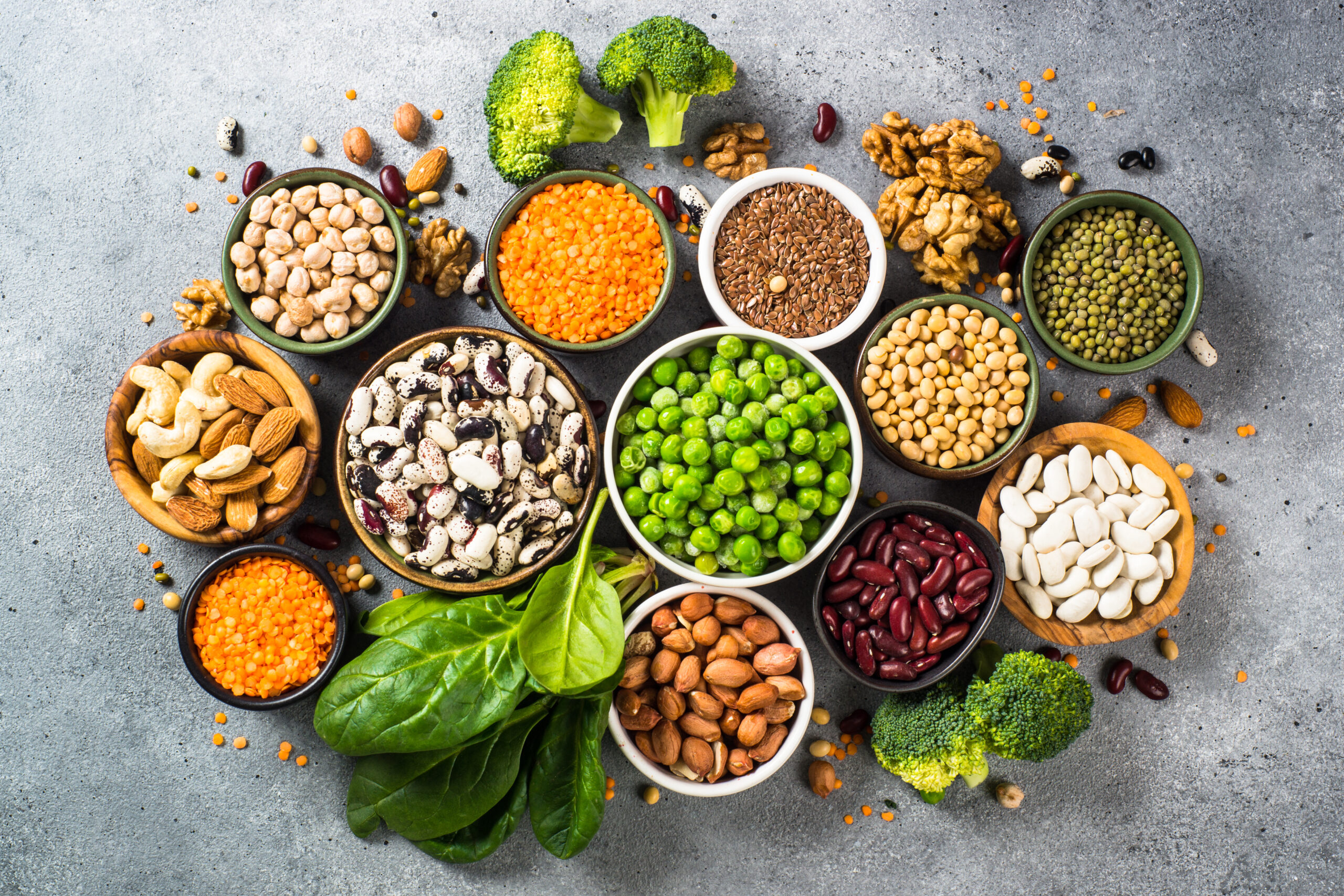
The best vegan protein sources make it easy to hit daily protein targets while providing the raw materials your body needs for muscle repair, performance, and day-to-day intake.
For people new to vegan diets, there’s a learning curve. Animal proteins are like a cheat code. You eat them and you know you’re getting a complete protein that’s going to do the work you need it to.
But with plant proteins, you have to identify early on what’s going to work best for you since plant sources vary more widely in amino acid content, digestibility, and protein yield.
Below, I’m going to cover the key factors that separate a vegan protein source that merely fills you up from one that supports building muscle and maintaining lean muscle mass.
COMBINING VEGAN PROTEINS
Many individual plant proteins are relatively strong in some essential amino acids and lighter in others.
On their own, this isn’t a problem, until the diet relies too heavily on the same few foods day after day. For someone newer to vegan eating, this is often where gaps start to appear.
Legumes are a good example.
Foods like lentils and haricot beans provide solid amounts of lysine, an amino acid involved in muscle repair, but they’re comparatively lower in methionine.
Grains tend to flip that equation. Rice, oats, wheat, and quinoa contribute more methionine while supplying smaller amounts of lysine.
That’s why it’s so important to combine different types of plant proteins in one meal to ensure you get the full coverage you need. When these foods are eaten together or across the same day, their amino acid profiles complement one another, covering what each is missing on its own.
Seeds can also play a supporting role. Hemp seeds and chia seeds add additional amino acids while contributing calories and micronutrients that round out meals. Blending these into bowls or vegan smoothies helps widen amino acid intake.
The importance here isn’t precision at every sitting. It’s coverage over time.
A diet built around only one or two plant protein sources can fall short even when total protein intake looks adequate on paper.
By rotating and pairing different plant sources, amino acid availability stays aligned with the demands placed on your muscles, setting the foundation for progress.
AMINO ACIDS AND MUSCLE SUPPORT
Protein is only as effective as the amino acids it provides.
Amino acids are the smaller units that make up protein, and they’re the building blocks your body uses to repair and rebuild muscle tissue after training.
When you lift weights or perform hard training sessions, muscle fibers experience microscopic damage. Amino acids are what your body pulls from the bloodstream to address that damage and adapt.
There are nine essential amino acids that your body cannot produce on its own. These must come from food and supplements.
When it comes to chasing your fitness goals, the branched-chain amino acids (BCAAs), leucine, isoleucine, and valine, play the most important role in signaling muscle protein synthesis.
If you don’t have adequate amounts of these amino acids, the body’s ability to initiate muscle repair and growth becomes limited, regardless of how hard you train and how many vegetables you eat.
Most plant-based sources of protein contain all essential amino acids to some degree, but the proportions vary. This uneven distribution is why relying heavily on a single plant protein can create shortfalls over time, even when total protein intake seems adequate.
This doesn’t make vegan protein less effective.
It simply shifts the focus toward total intake and changing up your vegan protein sources. By spreading protein across meals and incorporating different plant-based protein sources, the bloodstream maintains a steady supply of amino acids throughout the day.
HOW MUCH PROTEIN DO YOU NEED?
Before deciding whether a vegan protein source is worth using, you need a clear target for total daily intake.
This daily protein intake is commonly set relative to bodyweight rather than rigid calorie counting.
A real-world range is roughly 0.5 to 0.75 grams of protein per pound of bodyweight for general training and fat loss, and closer to 1.0 to 1.5 grams per pound for individuals focused on maximizing muscle gain or training at higher intensity.
Where you land in that range depends on how often and how hard you train, as well as how much you’re eating overall.
For example, someone lifting weights three days per week with moderate volume may function well closer to 0.75 grams per pound.
On the other hand, an individual training four to six days per week, pushing higher volumes or progressive overload, will often benefit from moving toward 1.0 gram per pound or higher.
Once that daily number is established, protein intake needs to be distributed across meals and snacks.
Want an easy way to figure out how much protein you should be eating each day? Try our complete protein calculator.
Most people don’t eat one or two massive protein-heavy meals per day. Instead, intake is spread out, which means each eating opportunity must contribute a substantial amount.
This is where protein yield per serving becomes important.
Vegan options like lentils, tofu, tempeh, wheat gluten, and yellow pea protein provide substantially more protein per portion than grains, vegetables, or most fruits. Using these higher-yield sources allows meals to shoulder a real share of daily protein needs.
Calories matter here as well.
Many plant foods bundle protein with larger amounts of fat or carbohydrates. While that can be helpful in some situations, it also limits how much protein you can include before total intake climbs quickly.
When the goal is building muscle or maintaining lean muscle mass during calorie control phases, options that bring more protein per calorie are easier to rely on.
This is where a supplement like PRO-30G vegan protein powder come into play.
A protein shake mixed with water or non-dairy milk alternative can offer a concentrated dose of protein with minimal impact on the rest of the day’s food intake.
Used alongside whole foods, this makes it much easier to hit daily targets.
DIGESTION AND TOLERANCE
Protein content only matters if you can actually digest and use it. On a vegan diet, tolerance can vary widely from one protein source to another, even when the nutrition facts look similar.
Spending some time identifying which options sit well with you can make the difference between consistent intake and constantly rotating foods that never quite stick.
Start by paying attention to how your body responds to individual protein sources when they’re eaten on their own.
Large servings of beans, lentils, or certain grain-based proteins can cause bloating or discomfort for some people, especially when fiber intake jumps quickly. Introducing these foods gradually, using smaller portions, and spreading them across meals often improves tolerance.
Protein powders deserve the same scrutiny. Short ingredient lists are usually a safer starting point.
Blends based on yellow pea protein isolate or simple bioavailable vegan protein isolates tend to be easier to digest than heavily thickened formulas.
If protein shakes are used frequently, such as in post-workout shakes or as an occasional meal replacement, products that include digestive enzymes may help reduce gas or heaviness.
Quality and preparation also matters.
horough cooking, soaking beans and legumes when possible, and using fermented options like tempeh can improve digestion for many people.
The goal isn’t to force down the highest-protein option available. It’s to find vegan protein sources you can use repeatedly, allowing protein intake to stay in line with your diet week after week.
CONSISTENCY MATTERS MOST
Hitting protein targets isn’t about chasing perfect food categories or micromanaging every choice. What matters most is total intake over time and how protein shows up across your meals and snacks.
Even the most well-designed plan falls apart if the foods involved are difficult to prepare, hard to digest, or easy to skip when life gets busy or you simply don’t care for what’s in front of you.
This is why personal response matters.
The most effective vegan protein sources are the ones your body handles well and that you’re willing to eat repeatedly. Whether that’s a short list of whole plant foods, a daily protein shake, or a combination of both, reliability outweighs novelty.
HIGHEST-PROTEIN VEGAN FOODS: SOY
When protein needs increase, the margin for low-impact foods narrows. Meals need to have a solid amount of protein and still keep things simple.
This is where soy stands out.
According to nutrient ranking tools, soy provides one of the highest protein returns per serving, making it easier to distribute protein across meals and snacks throughout the day.
Scientific findings continue to point toward total daily intake and regular delivery as the variables that matter most.
Soy-based foods perform well here because they combine high protein content with formats that fit easily into meals you’ll repeat such as bowls, stir-fries, snacks, and liquid options alike.
The choices below rise to the top not because they’re trendy, but because they yield protein efficiently and predictably, making them practical staples rather than occasional additions.
Here are my top soy-based vegan protein options.
TEMPEH
Tempeh sits at the top of the soy category because it has a large amount of protein in a compact, solid form.
Its dense texture makes it easy to portion and pair with starchy carbohydrates like rice or potatoes that don’t dominate the meal. This makes it beneficial when protein targets are higher and meals need to carry more weight.
Since tempeh is made from fermented soybeans, many people find it easier to digest than other soy options.
Fermentation also improves the availability of certain micronutrients, which adds to its value beyond protein alone.
When shopping, look for tempeh made from whole soybeans with short ingredient lists. Visible beans and minimal additives usually signal a better-quality product.
TOFU (FIRM AND EXTRA-FIRM)
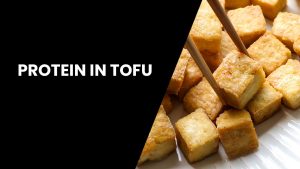
Tofu earns its spot through versatility. Firm and extra-firm varieties absorb flavor well and adapt to a wide range of cooking methods, from pan-searing to baking and blending.
This makes tofu one of the easiest soy proteins to repeat across meals and you don’t have to change your overall food setup.
From a nutrition standpoint, firmness matters.
Firmer tofu contributes more protein per serving and per calorie than softer styles, while holding up better during cooking.
The most reliable option is plain tofu made with soybeans, water, and a coagulant. Products that rely heavily on added oils, starches, or flavorings tend to reduce protein density and they don’t improve functionality.
EDAMAME
Edamame works best when protein is needed outside of a full meal.
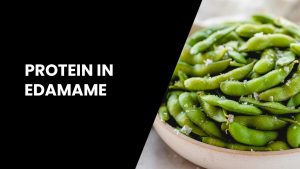
It fits naturally into bowls, salads, and side portions, or stands alone as a snack that still contributes a functional amount of protein. This is excellent for filling gaps between meals.
Frozen edamame with no added ingredients is typically the simplest and most convenient option.
It cooks quickly, portions easily, and pairs well with vegetables and grains, making it a reliable addition when protein needs to show up more frequently during the day.
SOY MILK (HIGHER-PROTEIN VERSIONS)
Compared to most other plant milks, soy milk provides substantially more protein per cup, allowing beverages to contribute significantly to daily intake.
Higher-protein, unsweetened versions are usually the best choice.
They keep sugar intake low and allow you to control flavor separately. When used in smoothies or shakes, soy milk helps turn liquid calories into functional protein rather than filler.
HIGHEST-PROTEIN VEGAN FOODS: LENTILS & BEANS
When meals need to contribute steady, repeatable protein across the day, lentils and beans hold their ground.
They may not match soy gram-for-gram in every serving, but they offer a dependable balance of protein, carbohydrates, and fiber that fits naturally into larger meals.
And as I mentioned above, you can easily combine lentil and beans with soy-based protein options to maximize the protein and nutrients in your diet.
What really sets this group apart is reliability. Lentils and beans scale well with portion size, tolerate batch cooking, and show up easily in dishes that already anchor most people’s meals.
LENTILS
Lentils provide one of the best protein returns within the legume category. They cook quickly, pair easily with grains or vegetables, and hold their protein contribution even when used in larger meals.
Red and yellow lentils, often derived from Canadian yellow peas, break down easily and work well in soups and thicker dishes where protein needs to be spread evenly.
Green and brown lentils retain their shape better, perfect for bowls and reheated meals where texture matters.
CHICKPEAS
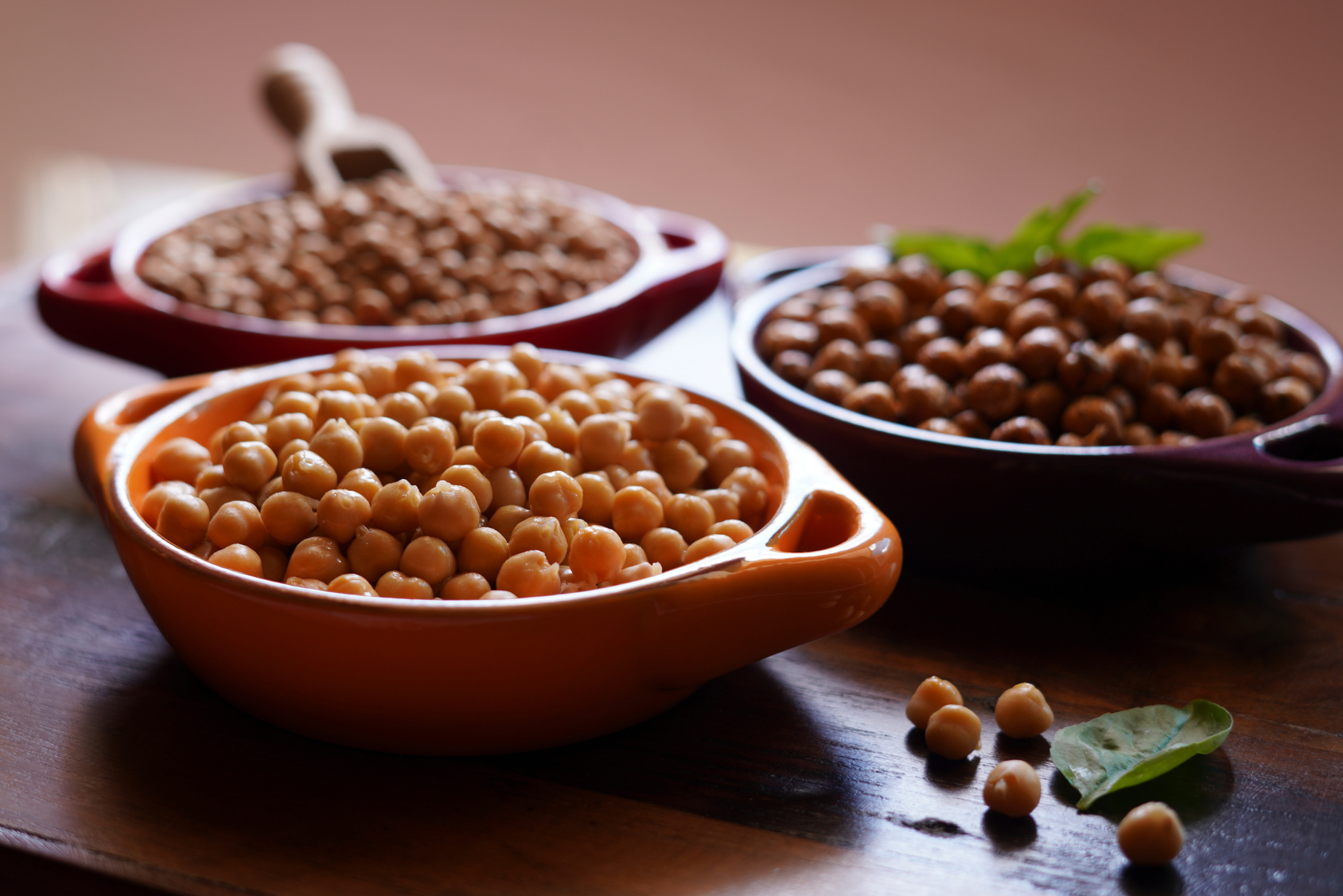
Chickpeas bring versatility. They transition easily between hot meals, cold salads, and blended options while keeping their role as a protein contributor.
While slightly lower in protein density than lentils, chickpeas pair well with grains and vegetables to create meals that feel complete and satisfying. They also handle roasting and seasoning well.
BLACK BEANS
Black beans are great in larger meals where protein needs to be spread across batch cooking.
They work well in bowls, chilis, and mixed dishes where they can be combined with rice, potatoes, or corn.
Their texture holds up during reheating, which makes them great for batch cooking.
NAVY BEANS
Navy beans tend to fly under the radar, but they offer a neutral flavor and soft texture that blends easily into soups, purees, and stews.
Because they’re less dominant in taste, navy beans work well when protein needs to be added.
SPLIT PEAS
Split peas function best in cooked, simmered dishes. Once softened, they break down into thick, filling bases that contribute protein steadily across a meal.
They work well in soups and one-pot meals where ingredients cook together. This allows protein intake to build naturally and you don’t have to worry about assembling multiple components.
BEAN-BASED SOUPS AND CHILIS
Soups and chilis built around lentils or beans provide one of the easiest ways to concentrate protein into a single eating window.
Multiple servings can be prepared at once, portions stay consistent, and protein intake becomes predictable.
When paired with grains or starchy vegetables, these dishes take care of daily protein needs while staying easy to repeat across several days.
HIGHEST-PROTEIN VEGAN FOODS: GRAINS
Grains rarely serve as primary protein sources on a vegan diet, but certain whole grains contribute enough protein to balance out the meal you’re prepping.
Their value comes from how they reinforce protein intake in meals that already include higher-yield plant sources, rather than standing alone.
Used in combination with legumes, they help widen amino acid intake and make meals more complete.
Below are the whole grains that offer the best return for protein.
QUINOA
Quinoa provides roughly 8 grams of protein per cooked cup, which is high for a grain. It also contains a wider range of amino acids compared to many other grains.
Its mild flavor and quick cooking time make quinoa easy to reuse in bowls, salads, and reheated meals where protein needs to be distributed evenly.
FARRO
Farro has approximately 7 grams of protein per cooked cup and offers a dense, chewy texture that holds up well in larger meals.
It naturally goes with beans and lentils, contributing both protein and carbohydrates that support higher training volumes.
AMARANTH
Amaranth provides about 9 grams of protein per cooked cup, placing it at the top end of the grain category for protein.
Its smaller seed size and creamy texture make it suitable for porridges or mixed into dishes where it blends rather than stands out.
When combined with legumes, amaranth helps reinforce total intake.
BUCKWHEAT
Buckwheat contributes roughly 6 grams of protein per cooked cup and works well for those avoiding gluten. It brings a hearty texture and pairs easily with vegetables and beans in savory dishes.
Its neutral profile allows it to integrate into meals and it doesn’t overshadow primary protein sources.
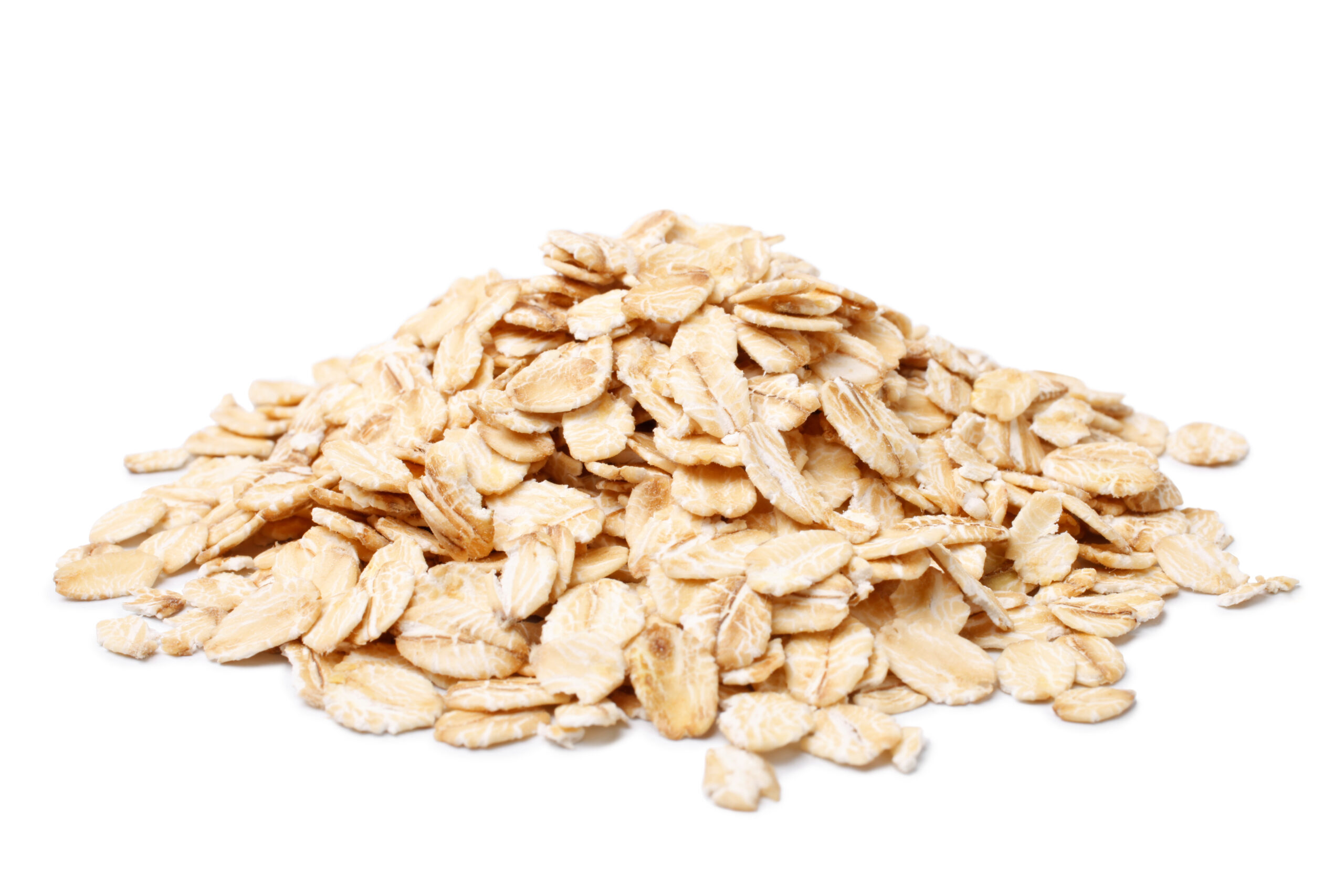
PROTEIN-FORTIFIED OATS
Protein-fortified oats typically provide 10 to 15 grams of protein per serving, depending on formulation.
These work well for breakfast or pre-training meals when protein needs to appear earlier in the day.
When paired with seeds, fortified oats help push meals closer to protein targets while remaining easy to prepare and repeat.
HIGHEST-PROTEIN VEGAN FOODS: READY-TO-EAT
When time and energy are limited, protein intake still needs to show up. Ready-to-eat and low-prep options ensure you get that protein without overthinking the meal.
For anyone trying to build muscle or maintain progress as fitness level increases, these foods often determine whether protein goals are hit or missed altogether.
The best options in this category have plenty of protein per serving with minimal downside. The key is knowing what to look for, since convenience foods vary widely in quality and usefulness.
SEITAN (IF GLUTEN IS OKAY)
Seitan is one of the most protein-dense whole vegan options available.
Made from wheat gluten, it provides a large amount of protein in a compact portion, making it useful when protein needs rise but appetite or time is limited.
Choose seitan products with short ingredient lists where wheat gluten is the main component.
Seasonings and spices are fine, but products loaded with added oils or sugars tend to dilute protein density. Plain or lightly flavored versions are easier to use repeatedly across meals.
HIGH-PROTEIN PLANT YOGURTS
Plant yogurts fortified with soy or blended plant proteins can contribute enough protein in a format that’s easy to eat and portion. They work well as snacks or light meals.
Check the nutrition panel first.
The best plant yogurts will have at least 8 to 12 grams of protein per serving and there’s no over relying on artificial sweeteners.
Unsweetened or lightly sweetened versions usually rank higher in nutrient ratio tools and are easier to pair with fruit or seeds and you won’t overshoot calories.
PROTEIN-FORTIFIED TOFU SNACKS
Single-serve tofu snacks offer convenience and predictability. Protein content is clearly defined, portions are controlled, and preparation is minimal.
Favor plain or lightly seasoned options. Products that rely on breading, heavy sauces, or added oils often reduce protein return relative to calories.
A short ingredient list centered around soybeans and water keeps the focus where it belongs.
ROASTED EDAMAME AND ROASTED CHICKPEAS
Roasted legumes are portable, shelf-stable, and easy to portion, making them useful for increasing protein delivery frequency between meals.
They work well when supporting recovery requires protein to appear more often across the day.
Choose versions with minimal added oils and salt.
Edamame generally offers a higher protein return per serving, while chickpeas add variety. Both should list the legume as the primary ingredient, not coatings or flavor blends.
VEGAN BURGER PATTIES
Vegan burgers range from protein-focused to flavor-first.
Some function more like artificial meat products with modest protein, while others are built around legumes, soy, or wheat gluten and deliver a good amount of protein per serving.
Prioritize patties with protein clearly listed in the teens or higher per serving.
Ingredient lists should emphasize beans, soy, or wheat gluten rather than starches and oils. These options work best when paired with simple sides that don’t sacrifice protein intake.
HIGH-PROTEIN BREAKFAST IDEAS: SMOOTHIES
Smoothies work when time is limited and sitting down isn’t happening. The mistake most people make is treating them like flavored drinks instead of structured meals.
A good breakfast smoothie is built around protein first, with just enough supporting ingredients to stabilize energy and prevent hunger from rebounding later.
These options are designed to cover different morning scenarios without repeating the same formula:
WHEY + BERRY PERFORMANCE SHAKE
- Whey protein
- Frozen mixed berries
- Water or milk
Directions:
- Blend until smooth.
- Serve immediately.
GREEK YOGURT “MEAL” SMOOTHIE
- Greek yogurt
- Milk
- Fruit of choice
Directions:
- Blend until thick and smooth.
PROTEIN OVERNIGHT OAT SMOOTHIE
- Protein powder
- Overnight-soaked oats
- Milk or water
Directions:
- Blend soaked oats with protein until smooth.
PLANT-BASED GREEN PROTEIN SHAKE
- Plant-based protein powder
- Spinach or greens
- Fruit
- Water or plant milk
Directions:
- Blend thoroughly until smooth.
COLLAGEN COFFEE PROTEIN DRINK
- Brewed coffee (hot or cold)
- Collagen peptides
- Milk or cream of choice
Directions:
- Stir or blend until fully combined.
CHOCOLATE PROTEIN–BANANA BLENDER DRINK
- Chocolate protein powder
- Banana
- Milk or water
Directions:
- Blend until smooth.
HIGHEST-PROTEIN VEGAN FOODS: NUTS & SEEDS
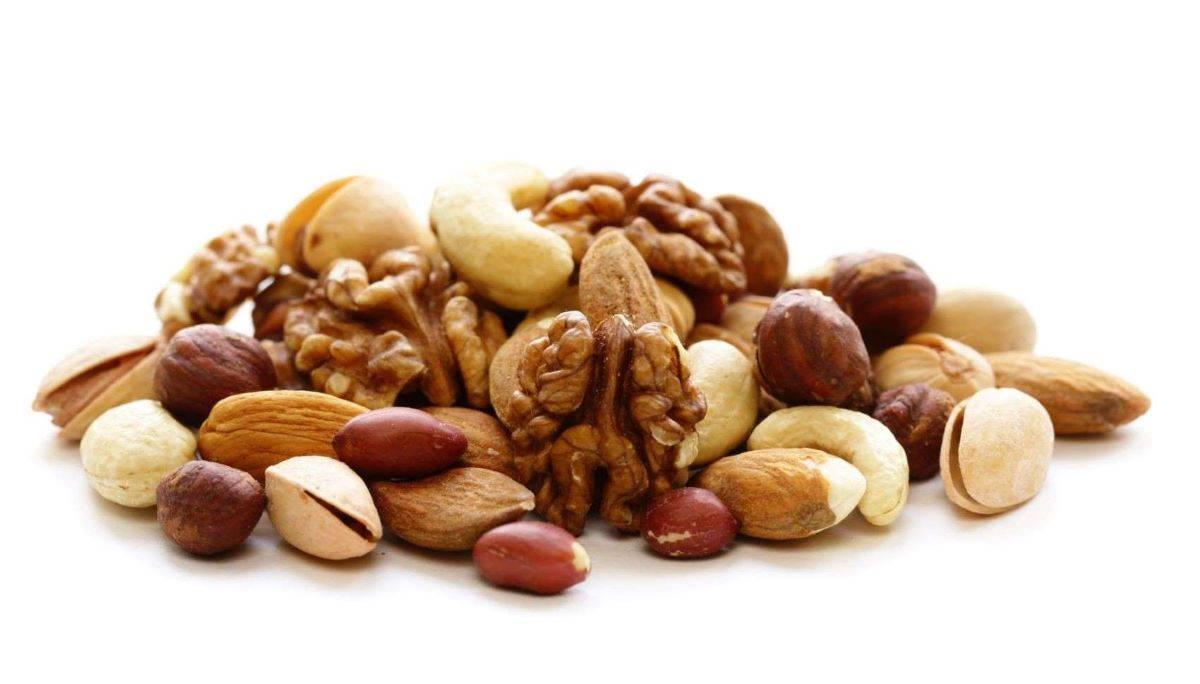
Nuts and seeds can contribute to protein intake, but their value lies in how they support meals rather than anchor them.
They add texture, flavor, and staying power to dishes built around higher-yield protein sources.
Because they’re calorie-dense, they work best in defined portions where their protein complements the rest of the plate instead of competing with it.
Below are the nut and seed options that offer the best return when used in that supporting role.
HEMP SEEDS
Hemp seeds provide roughly 9 to 10 grams of protein per 3 tablespoons, which places them at the top of the seed category for protein.
Their soft texture and neutral flavor make them easy to fold into grain bowls, salads, or vegan smoothies.
They’re particularly useful for people who experience digestive issues with larger servings of legumes.
PUMPKIN SEEDS
Pumpkin seeds deliver about 8 to 9 grams of protein per ¼ cup. They work well as a topping for bowls or roasted vegetables, adding both crunch and additional protein.
Because they carry a significant calorie load alongside protein, measured portions help keep them aligned with overall intake and dietary preferences.
CHIA SEEDS
Chia seeds contribute approximately 4 to 5 grams of protein per 2 tablespoons, alongside a high fiber content. This combination helps slow digestion and can extend how long a meal feels satisfying.
They’re best used in blended or soaked preparations where they distribute evenly, and smaller portions tend to work better for anyone managing digestive issues related to fiber intake.
ALMOND BUTTER
Almond butter provides around 7 grams of protein per 2 tablespoons, along with fats that enhance meal staying power.
Its milder flavor is great in oatmeal, smoothies, or sauces where it adds richness without overpowering other ingredients.
Because calories add up quickly, almond butter functions best as a measured add-in rather than a primary protein source.
PEANUT BUTTER
Peanut butter delivers roughly 8 grams of protein per 2 tablespoons, making it one of the higher-protein nut butters available.
It pairs naturally with both sweet and savory applications, which makes it easy to reuse across meals.
ALMONDS
Whole almonds provide about 6 grams of protein per ounce (roughly 23 almonds). They’re useful when a crunchy addition is needed. For example, you can throw them in salads or they can be a small side alongside a protein-focused meal.
Pre-portioned servings help maintain balance, since their calorie density rises faster than their protein contribution.
CASHEWS
Cashews contain approximately 5 grams of protein per ounce and offer a softer texture that works well in sauces and blended dishes.
While lower in protein than some other nuts, they contribute variety and improve palatability, which can support long-term adherence to a plant-based diet.
PISTACHIOS
Pistachios provide roughly 6 grams of protein per ounce (about 49 kernels), which places them among the higher-protein nuts by weight.
Compared to many other nuts, pistachios offer a more favorable balance between protein and calories, making them easier to fit into protein-forward meals.
They work well as a topping for bowls or salads, or as a measured snack alongside a primary protein source.
WALNUTS
Walnuts contribute about 4 to 5 grams of protein per ounce, which puts them lower on the protein scale than almonds or pistachios. Their value comes less from protein quantity and more from texture and satiety.
Because walnuts are higher in fat and lower in protein density, they function best as a flavor or texture addition, sprinkled into salads or mixed into sauces, rather than as a protein-focused add-on.
HIGHEST-PROTEIN VEGAN FOODS: PROTEIN POWDERS
Whole foods should carry most of your intake, but there are situations where speed and predictability matter more than preparation.
On busy mornings, after training, or on days when meals don’t quite add up, a vegan protein powder can make sure you hit that daily protein intake.
The key is choosing versions that deliver enough protein per serving to matter.
PEA PROTEIN
Most pea protein powders provide 20 to 25 grams of protein per scoop, typically sourced from yellow peas. That puts them squarely in the range needed to noticeably contribute to daily intake in a single serving.
Pea protein and other plant-based options mix well and are naturally gluten free. While its amino acid profile is slightly lower in methionine, pairing it with whole foods across the day fills that gap.
SOY PROTEIN ISOLATE
Soy protein isolate usually delivers 22 to 27 grams of protein per scoop, placing it at the top end of plant-based powders for protein density.
Because of its broader amino acid content, soy isolate performs well as a performance protein when used around training or as part of a higher-protein day.
WHY I RECOMMEND PROTEIN BLENDS
Single-source plant proteins can get the job done, but blends solve a problem that shows up quickly on a vegan diet: coverage.
Different plant proteins emphasize different amino acids, and relying too heavily on one source increases the odds that something gets underrepresented.
Blends like PRO-30G vegan protein address that by design.
Combining sources like pea protein and brown rice protein brings together complementary amino acid strengths. Pea protein is rich in lysine, while rice protein contributes more methionine.
Together, they form a more complete amino acid profile per serving.
That same logic extends beyond the main protein sources. Well-formulated blends often include smaller additions that improve how the protein functions in real use:
- Chia and flax seed powders add fiber and small amounts of protein, which slows digestion and helps the shake feel more substantial instead of fleeting.
- Natural thickeners like guar gum improve texture and consistency.
- Minerals such as iron and potassium support overall intake, especially for people training regularly on a plant-based diet.
- Natural sweeteners like stevia or monk fruit allow flavor and they don’t push sugar intake higher than needed.
A blend also reduces dependence on perfect timing or perfect meals. Instead of worrying about whether today’s shake “covers everything,” a mixed-source protein provides broader amino acid exposure in a single serving.
That aligns well with the bigger picture of plant-based nutrition, where consistency across the day matters more than micromanaging individual feedings.
This is why I tend to favor blended formulas or recommend mixing two complementary plant proteins yourself.
They’re easier to rely on, easier to repeat, and they fit naturally into the same principle that governs effective vegan meals: combine sources, cover your bases, and let repetition do the work.
WHAT TO LOOK FOR WHEN BUYING A PLANT PROTEIN POWDER
Regardless of the source, a vegan protein powder should deliver protein efficiently while fitting smoothly into your routine.
Look for products that:
- Provide at least 20 grams of protein per serving
- Are heavy metal tested and Informed Sport certified when possible
- Use natural sweeteners such as monk fruit, or remain unsweetened
- Keep ingredient lists short, avoiding excess fillers and gums
- Offer GMO and soy free options, if those align with your needs
A premium plant protein should mix easily, digest comfortably, and fit naturally into your routine, whether that’s a quick shake between meals or a post-training addition when whole food isn’t available.
VEGAN PROTEIN GROCERY LIST
This list pulls everything that matters from the sections above into one place.
It’s organized so you can scan it quickly in the store and walk out with enough options to cover meals, snacks, and low-effort days. There’s no guesswork here.
Print it. Screenshot it. Just make sure you bring it with you.
PROTEIN ANCHORS
- Tempeh: ~18–21g per 4 oz
- Extra-firm tofu: ~14–18g per 7 oz block
- Firm tofu: ~12–15g per 7 oz block
- Seitan: ~20–25g per 3–4 oz
- Soy-based vegan burger patties: ~15–22g per patty (label dependent)
LEGUMES & BEANS
- Lentils (red, green, or brown): ~18g per cooked cup
- Split peas: ~16g per cooked cup
- Chickpeas: ~14–15g per cooked cup
- Black beans: ~15g per cooked cup
- Navy beans: ~15g per cooked cup
- Haricot beans: ~14–15g per cooked cup
- Bean-based soups or chilis: ~15–25g per serving (varies by recipe)
GRAINS
- Quinoa: ~8g per cooked cup
- Farro: ~7g per cooked cup
- Buckwheat: ~6g per cooked cup
- Amaranth: ~9g per cooked cup
- Protein-fortified oats: ~10–15g per serving (label dependent)
NUTS & SEEDS
- Hemp seeds: ~9–10g per 3 tablespoons
- Pumpkin seeds: ~8–9g per ¼ cup
- Chia seeds: ~4–5g per 2 tablespoons
- Almonds: ~6g per 1 oz (≈23 almonds)
- Pistachios: ~6g per 1 oz (≈49 kernels)
- Walnuts: ~4–5g per 1 oz
- Peanut butter: ~8g per 2 tablespoons
- Almond butter: ~7g per 2 tablespoons
- Cashew butter: ~5–6g per 2 tablespoons
READY-TO-EAT / LOW-PREP
- Edamame (frozen): ~17g per cooked cup
- Roasted edamame: ~13–15g per ¼ cup
- Roasted chickpeas: ~6–7g per ¼ cup
- Protein-fortified tofu snacks: ~12–18g per serving
- High-protein plant yogurts: ~8–15g per serving
- Pre-cooked lentil or bean pouches: ~15–20g per pouch
LIQUID & POWDER OPTIONS
- Soy milk (higher-protein, unsweetened): ~7–9g per cup
- Blended plant protein powders (pea + rice + seed blends): ~20–24g per scoop
- Pea protein powder: ~20–25g per scoop
- Soy protein isolate: ~22–27g per scoop
Building a high-protein vegan diet comes down to choosing foods that deliver the protein you need in forms you can rely on repeatedly.
When meals are anchored by strong plant proteins and reinforced with complementary sources, amino acid intake takes care of itself.
Get it right and these vegan protein sources will support training demands and daily performance while fitting naturally into a plant-based way of eating.
Check out our complete line of ATHLEAN-RX Supplements and find the best training program for you based on your fitness level and goals.

- Hitting protein needs on a vegan diet is less about perfection and more about choosing high-yield plant proteins consistently.
- Many plant proteins are lower in certain amino acids on their own, which is why variety across the day matters. Pairing legumes, grains, seeds, and powders naturally fills gaps.
- Soy-based foods (tempeh, extra-firm tofu, edamame, high-protein soy milk) provide some of the highest protein returns per serving and fit easily into repeatable meals.
- Lentils and beans remain foundational because they deliver protein reliably in full meals, soups, and batch cooking, making daily intake easier to sustain long term.
- Certain whole grains (quinoa, farro, amaranth, buckwheat, fortified oats) reinforce intake when paired with legumes, helping meals feel complete.
- Nuts and seeds support meals with texture and staying power, but work best as measured add-ins rather than primary protein sources.
- Ready-to-eat options like seitan, high-protein plant yogurts, roasted edamame, and protein-forward vegan patties help maintain delivery frequency when time or appetite is limited.
- Plant protein powders earn their place on busy days, post-workout, or when whole food falls short. Blended proteins work because they reflect the same principle as plant-based meals: combine sources, cover amino acids, repeat what works.
- The best vegan protein plan is one you can shop for easily, digest comfortably, and use often. Once that’s in place, results follow naturally.
VEGAN PROTEIN SOURCES FAQ
If you’re looking strictly at protein per serving, seitan sits at the top of the vegan food list. A typical serving (3 to 4 oz) provides 20 to 25 grams of protein. That concentration makes it efficient when protein targets are high and appetite or time is limited.
Among soy-based whole foods, tempeh and extra-firm tofu are the next strongest options. Tempeh delivers roughly 18 to 21 grams of protein per 4 oz, while extra-firm tofu provides about 14 to 18 grams per 7 oz block, depending on brand and moisture content.
Edamame offers a solid middle ground at about 17 grams of protein per cooked cup, making it useful for meals and snacks.
Lentils come in at roughly 18 grams per cooked cup, while most other beans land closer to 14 to 15 grams per cup.
For pure concentration, blended plant protein powders still top the list. One scoop typically delivers 20 to 27 grams of protein, which is why powders are often used to reinforce intake rather than replace food altogether.
If you’re looking strictly at protein per serving, seitan sits at the top of the vegan food list. A typical serving (3 to 4 oz) provides 20 to 25 grams of protein. That concentration makes it efficient when protein targets are high and appetite or time is limited.
Among soy-based whole foods, tempeh and extra-firm tofu are the next strongest options. Tempeh delivers roughly 18 to 21 grams of protein per 4 oz, while extra-firm tofu provides about 14 to 18 grams per 7 oz block, depending on brand and moisture content.
Edamame offers a solid middle ground at about 17 grams of protein per cooked cup, making it useful for meals and snacks.
Lentils come in at roughly 18 grams per cooked cup, while most other beans land closer to 14 to 15 grams per cup.
For pure concentration, blended plant protein powders still top the list. One scoop typically delivers 20 to 27 grams of protein, which is why powders are often used to reinforce intake rather than replace food altogether.
Reaching 100 grams is less about eating “big” meals and more about letting protein show up repeatedly. When intake is spread across the day, the math becomes straightforward.
Here’s an example of a vegan-friendly meal plan for the day:
- Breakfast: protein shake with soy or pea protein (25–30g)
- Lunch: lentil or tempeh-based meal (30–35g)
- Snack: roasted edamame, high-protein plant yogurt, or tofu snack (15–20g)
- Dinner: tofu, seitan, or bean-and-grain combination (25–30g)
That approach hits 100 grams and there’s no need for extreme portions or late-day catch-up. The advantage is predictability where each eating window contributes, so no single meal has to carry the entire day.
Thirty grams per meal is a useful target because it spreads protein evenly across the day instead of forcing you to compensate later. Over three or four meals, that approach covers most daily protein needs for active people without pushing portions to an extreme.
The easiest way to reach that mark is to pick a clear protein anchor before thinking about the rest of the meal. Once the anchor is set, everything else (e.g., carbohydrates, vegetables, fats) fills in around it rather than competing with it.
Here are practical examples of how that looks in real meals:
Tempeh-Based Meals: About 6 to 7 ounces of tempeh delivers close to 30 grams of protein on its own. Pair it with rice or potatoes and vegetables, and the meal is already protein-complete.
Seitan-Based Meals: Around 4 to 5 ounces of seitan reaches the same protein range. This works in wraps, bowls, or stir-fries where protein needs to be dense but portions need to stay compact.
Tofu-Centered Meals: A full block of extra-firm tofu combined with a grain or legume pushes protein toward the 30-gram range. For example, tofu with quinoa or tofu added to a lentil-based dish closes the gap naturally.
Legume-Based Meals: A large serving of lentils or beans paired with quinoa, farro, or buckwheat distributes protein across the meal rather than relying on a single source. This approach is for lunches and dinners that already include starches.
Reinforced Options: When a meal lands closer to 20 grams, adding half or a full protein shake bridges the difference. This is often the cleanest option around training or on tighter schedules.

Jeff Cavaliere M.S.P.T, CSCS
Jeff Cavaliere is a Physical Therapist, Strength Coach and creator of the ATHLEAN-X Training Programs and ATHLEAN-Rx Supplements. He has a Masters in Physical Therapy (MSPT) and has worked as Head Physical Therapist for the New York Mets, as well as training many elite professional athletes in Major League Baseball, NFL, MMA and professional wrestling. His programs produce “next level” achievements in muscle size, strength and performance for professional athletes and anyone looking to build a muscular athletic physique.