






is oatmeal all that it’s cracked up to be?
But for anyone focused on building or maintaining muscle, the real question is: does oatmeal have protein that can support those muscle gain goals?
Does it have other nutritional value that can serve your fitness and health goals as well?
In this article, I’ll break down the full nutritional content of oats including what they deliver and what they lack.
I’ll also give some suggestions on how to pair them with ingredients like Greek yogurt, protein powder, or nut butters to turn a basic bowl into a complete, muscle-ready meal.
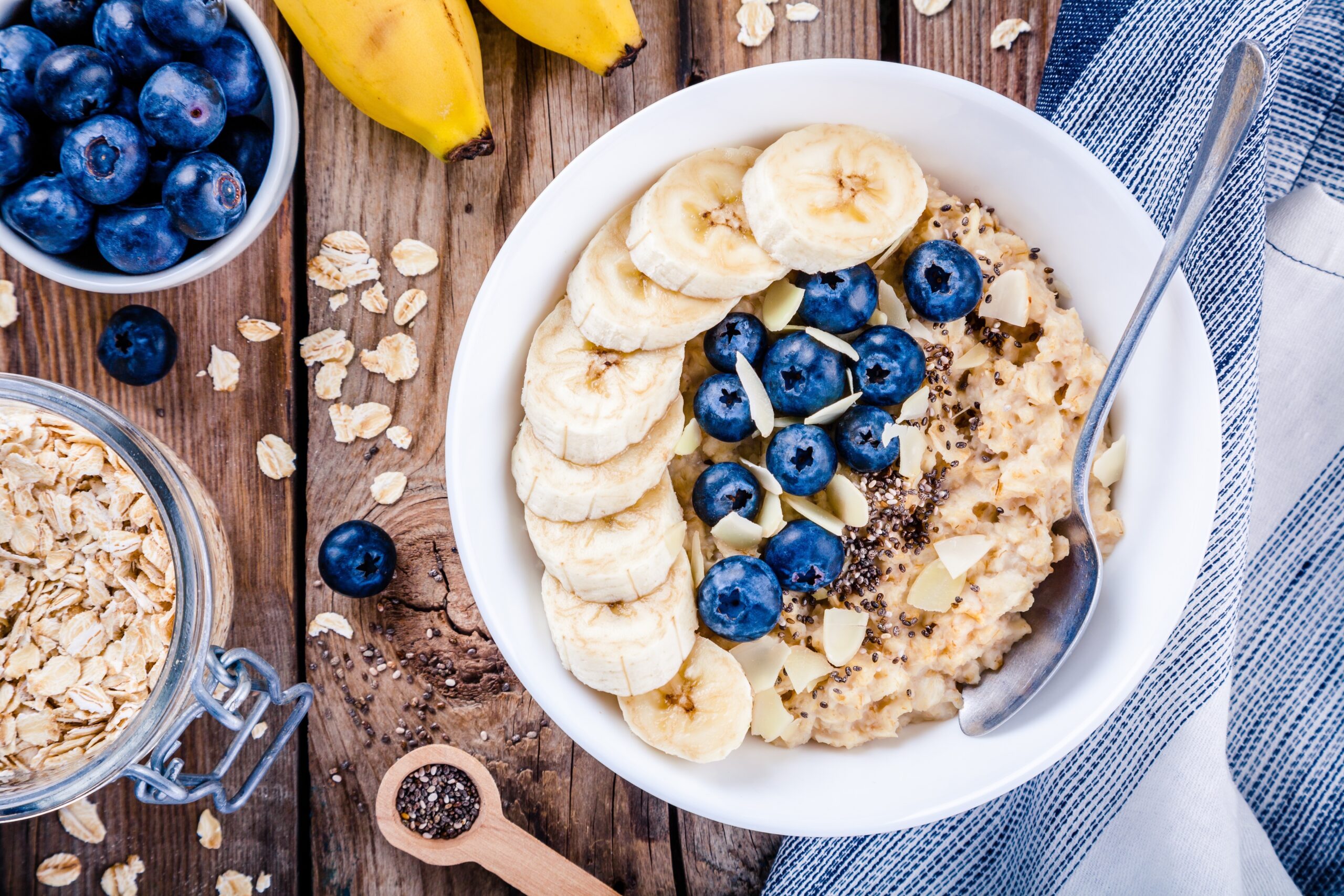
TYPES OF OATS
Not all oats are created equal. Processing of oats changes everything including texture, cooking time, flavor, and even how your body digests them.
If you’ve ever wondered why steel-cut oats keep you full longer while instant oatmeal seems to vanish in an hour, here’s why:
STEEL-CUT OATS
Steel-cut oats are the least processed form of the grain. They’re made by slicing whole oat groats into small pieces with sharp steel blades (hence the name).
Because they’re dense and chewy, they take longer to cook (20 to 30 minutes on the stove) but also digest more slowly.
That slower digestion means steadier energy, a lower spike in blood sugar, and a stronger feeling of fullness.
For anyone managing appetite or looking for sustained fuel, especially before a long training session, steel-cut oats are your go-to.
Steel-cut oats are best for:
- Long-lasting energy
- Fat-loss phases
- Anyone who values texture over convenience
ROLLED OATS
Rolled oats start as the same oat groat but are steamed and flattened with rollers. This partial cooking makes them softer and faster to prepare, usually five minutes on the stove or two in the microwave.
Nutritionally, they’re nearly identical to steel-cut oats. The difference is in texture and convenience.
Rolled oats are ideal for overnight oats, baking (like protein muffins or energy bites), or quick breakfasts where you still want a hearty chew.
Rolled oats are best for:
- Everyday use
- Meal prep
- Mixing with protein and fruit for balanced macros
INSTANT OATS
Instant oats are pre-cooked, dried, and rolled even thinner than traditional oats. They cook in under a minute but come with a trade-off.
Since they provide faster digestion, there’s a higher glycemic response. That means you’ll get quick energy but not the same staying power.
They’re great when you need something fast but avoid the flavored packets. They’re often loaded with a lot of sugar and sodium.
If you want speed and performance, use plain instant oats and add your own flavor: cinnamon, protein powder, or a few berries.
Instant oats are best for:
- Post-workout recovery
- On-the-go meals when time is tight
OAT BRAN
Oat bran is made from the outer layer of the oat groat, which is the part richest in beta-glucan fiber.
It has less starch and more fiber per serving than rolled or steel-cut oats, which makes it excellent for heart health and digestion.
It cooks into a smoother, creamier texture than traditional oatmeal and can easily be added to shakes or baked goods for a fiber and micronutrient boost.
Oat bran is best for:
- Improving digestion
- Lowering cholesterol
- Increasing fiber without extra carbs
OAT FLOUR
Oat flour is simply oats ground into a fine powder, but the transformation makes a big difference.
The finer texture blends seamlessly into recipes while keeping most of the nutrition you’d find in whole oats including complex carbs for sustained energy, a solid amount of fiber, and a mild, naturally sweet flavor that pairs well with both sweet and savory foods.
Oat flour is also an easy swap for people avoiding wheat since it’s naturally gluten-free (as long as it’s processed in a certified facility) and much easier to digest for many people.
Oat flour is best for:
- Baking
- Smoothies
- Pancakes
- Gluten-free diet flour substitute that keeps nutrition high and flavor simple
PHYTIC ACID IN OATS: WHAT YOU SHOULD KNOW
You can’t talk about oatmeal and oats without talking about the “anti-nutrient” called phytic acid.
Phytic acid is a natural compound found in almost all cereal foods, including oats. And in oats, it shows up the most in the bran layer, outer husk, and oat germ. These are the parts of the grain that are packed with minerals and fiber.
People call phytic acid an “anti-nutrient” because it binds to minerals like iron, zinc, and calcium. That’s true. But here’s what matters: context.
If your diet includes a mix of plant foods and animal products, and you’re hitting your micronutrients consistently, phytic acid isn’t going to wreck your gains or tank your health.
A health professional wouldn’t tell you to fear it. They’d tell you to understand it.
In large amounts, it can reduce mineral absorption. In normal amounts, it also offers antioxidant benefits and may support metabolic health. So, in other words, it’s not the villain the internet makes it out to be.
HOW PHYTIC ACID INTERACTS WITH OAT PROTEIN
Now, let’s get into the performance side. As I mentioned above, phytic acid can impact the properties of oat protein by binding to minerals and amino acids in the gut.
That can slightly reduce digestibility, but not nearly enough to downgrade oats as a protein source.
Food scientists care about what phytic acid does to the functional properties of oat ingredients such as water absorption, viscosity, gel structure, and texture.
These matter when companies create protein concentrates, oat dextrin, or other ingredients used in food formulation for bars, shakes, cereals, and more.
For the average person? This doesn’t change much. Oats still deliver steady carbs, solid protein, and a ton of micronutrients.
PHYTIC ACID, PHENOLIC COMPOUNDS, AND OAT LIPIDS
Oats naturally contain phenolic compounds and oat lipids, which contribute to antioxidant and anti-inflammatory health benefits.
Phytic acid can bind to these compounds and change how available they are, but again, that effect depends on processing and preparation.
Once oats are cooked, soaked, or heat-treated, these interactions shift. In some cases, this even improves the release and absorption of beneficial compounds.
The “whole-food matrix” of oats is complex, and most people get more benefits than downsides. For example, phytic acid doesn’t only influence mineral uptake.
It also has effects on the following:
- Gut Microbiota: Can act as a fermentable compound that supports beneficial bacteria.
- Immune Function: Has antioxidant properties that may help reduce oxidative stress.
- Insulin Response: May assist with steady blood sugar control after meals.
- HDL Cholesterol: Some studies show modest improvements in lipid profiles.
- Nitric Oxide: May support pathways involved in vascular function.
WHICH OAT TYPES HAVE THE MOST PHYTIC ACID
Different oat products contain different levels of phytic acid. The less processed the oat, the more phytic acid it contains.
Here’s the cheat sheet for oats and phytic acid:
- Whole Oat Groats / Outer Husk: Highest
- Pinhead Oats (Steel-Cut Oats): High
- Rolled Oats: Moderate
- Instant Oats: Lower
- Refined Oat-Based Food Products: Varies based on processing
Industrial processes like superheated steam and extrusion cooking reduce phytic acid significantly. That’s why many cereals, bars, and instant oatmeal packets have lower levels.
HOW TO REDUCE PHYTIC ACID AT HOME
If you want to lower phytic acid in your oats without losing any of the nutrition, start by soaking them overnight, especially pinhead oats, since they contain the most phytic acid. Soaking activates natural enzymes that help break those phytates down.
You can boost this process by adding a little acidity to the water, like lemon juice, vinegar, or even yogurt.
Taking it a step further, fermenting your oats (think overnight oats made with kefir or yogurt) reduces phytic acid even more.
And if you’re cooking them on the stove, going low and slow helps break down what’s left.
None of these methods reduce the protein, fiber, or micronutrients in oats. They simply make the minerals more available for your body to absorb.
INDUSTRIAL TECHNIQUES THAT REDUCE PHYTIC ACID
Food manufacturers go a step further. Using superheated steam, extrusion cooking, selective milling, and enzymatic treatments, they can dramatically lower phytic acid in things like instant oatmeal, ready-to-eat cereals, snack bars, etc.
These processes also improve texture, shelf stability, and digestibility while keeping the functional properties of oats intact.
THE BIG PICTURE ON PHYTIC ACID
Phytic acid is just one part of oats’ overall nutrient profile. It doesn’t cancel out the benefits of phenolic compounds, oat lipids, fiber, or the solid plant-based protein oats offer.
If you’re eating a varied diet with cereal foods and animal products, you’ll get all the minerals you need and maybe even benefit from phytic acid’s antioxidant effects.
The goal isn’t to remove it entirely. The goal is to prepare and select oats in a way that gives you the best nutritional return for your effort.
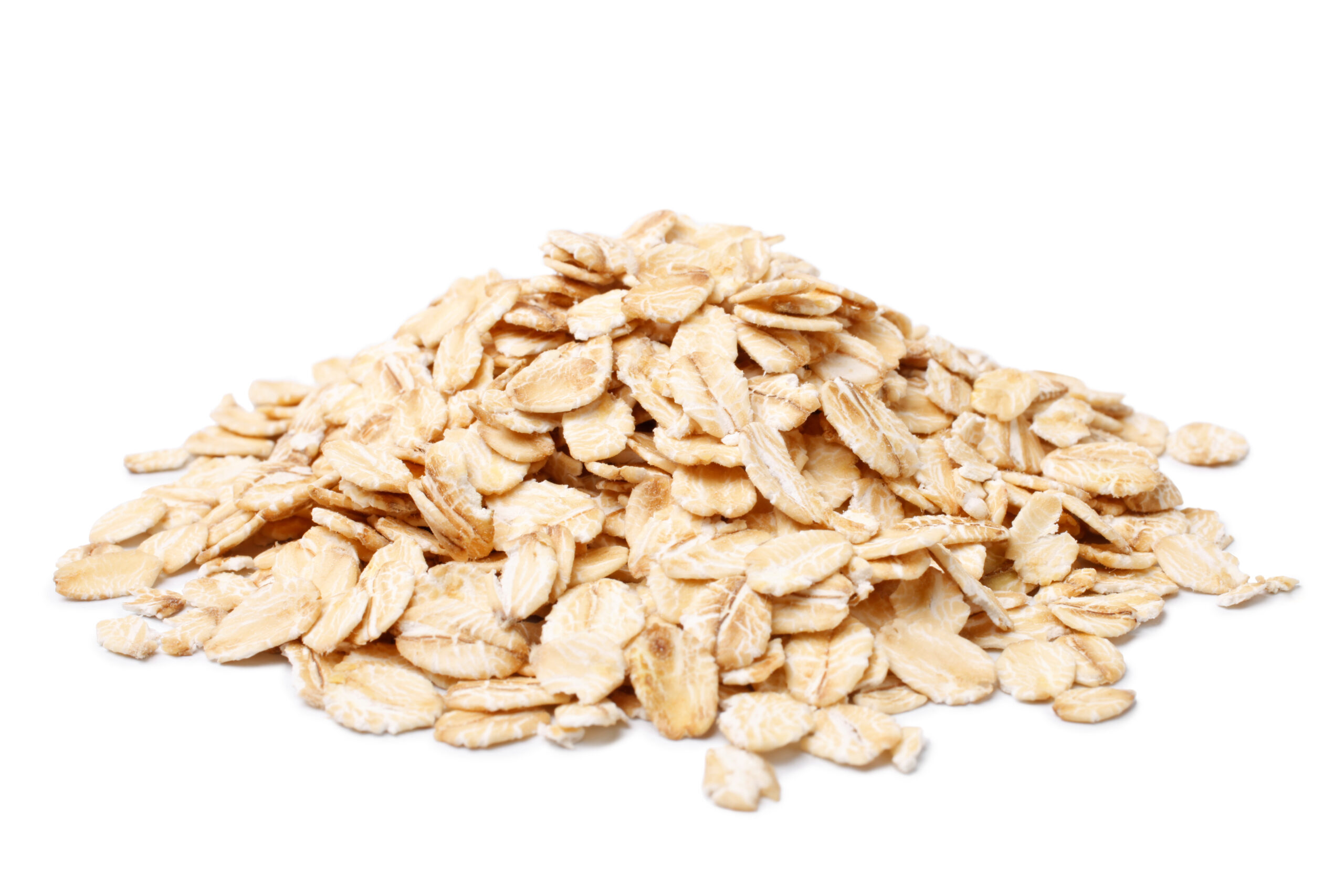
BENEFITS OF OATMEAL
According to most nutrition experts, food bloggers, and fitness influencers, oatmeal has earned its place in the meal prep spotlight.
Their structure as a whole grain brings a range of benefits that directly support long-term health and training recovery.
Here’s why oats are always a go-to for a lot of popular diets:
BETA-GLUCAN FIBER
The headline benefit of oats is their beta-glucan fiber, which is a soluble fiber that binds to bile acid in the intestines, helping reduce LDL cholesterol levels and lowering the risk of heart disease.
This same mechanism slows digestion, moderates blood sugar levels, and improves insulin sensitivity, giving oats a lower glycemic index than most breakfast carbs.
That’s why oats show up so often in clinical studies and dietary recommendations for cardiovascular health.
And it doesn’t matter if you’re eating steel-cut oats, rolled oats, or instant oatmeal, that beta-glucan content stays consistent.
WHOLE-GRAIN CARBS
Because oats are a cereal grain packed with complex carbs and dietary fiber, they digest gradually.
And this slower digestive speed provides a more stable energy supply and fewer postprandial glycemic responses compared to refined grains.
This slow-release effect helps control hunger and improves fullness hormones, which is a major advantage during weight loss or endurance phases.
Add-ins like chia seeds, almond milk, or powdered peanut butter can enhance flavor and texture without disrupting that steady energy curve.
OAT BRAN AND RESISTANT STARCHES
The oat bran and resistant starches found naturally in oats are prebiotic, which is fuel for the gut bacteria that drive healthy digestion and nutrient absorption.
These fibers support the microbiome, which can improve metabolism, immunity, and even inflammation control.
Stronger gut health balance means better nutrient uptake including amino acids and bioactive components, making oats an ideal base for meals that pair with high-quality proteins like Greek yogurt or soy milk.
BIOACTIVE COMPOUNDS
Beyond fiber, oats contain compounds like ferulic acid, phenolic acids, and vitamin E. These are natural bioactive components that combat oxidative stress and chronic inflammation.
These antioxidants have been linked to better vascular health and tissue recovery, both essential for athletes and lifters.
Even colloidal oatmeal, made from finely ground oat flour, uses these same anti-inflammatory properties in medical skincare to reduce irritation caused by inflammatory responses such as the arachidonic acid cascade.
NATURALLY GLUTEN-FREE (WITH A CAVEAT)
Oats themselves don’t contain wheat gluten, but contamination can occur during processing.
If you’re dealing with celiac disease, wheat allergy, or gluten sensitive enteropathy, it’s important to choose certified gluten-free products.
The food industry now uses cleaner heat treatment and milling techniques to minimize cross-contact but always check the label before you buy.
HOW MUCH PROTEIN IS IN OATMEAL?
For all the credit oats get, it’s important to remember that they’re still a carbohydrate-first food. Protein is more of a bonus, but exactly how much protein is in oats?
No matter which type you choose (steel-cut oats, rolled oats, or instant oats), the numbers stay about the same.
A typical ½-cup dry serving (around 40 grams) provides only 5 grams of protein. Once cooked, that’s roughly one cup of oatmeal with the same modest amount.
Here’s how it breaks down:
- Steel-cut oats: ~5 g protein per ½ cup dry
- Rolled oats: ~5 g protein per ½ cup dry
- Instant oats: ~4 g protein per packet
Those numbers are respectable for a cereal grain, especially compared to rice or corn. But the problem isn’t that oats are low in protein. It’s that they’re low compared to what matters for muscle building.
A serving of oats delivers about one-fifth of what you’d get from a scoop of whey protein powder (20 to 25 grams) or a cup of Greek yogurt (15 to 20 grams). Even two eggs double what oatmeal offers.
If you tried to rely on oats alone for your protein, you’d need to triple your serving just to reach the lower end of a solid post-workout range.
That means triple the carbs, triple the calories, and a much higher glycemic load, which isn’t exactly efficient for someone tracking macros or trying to manage insulin sensitivity.
That’s not to say oats don’t have value.
Besides what I already mentioned, oatmeal helps to stabilize blood sugar levels, promote fullness hormones, and feed gut bacteria through resistant starches.
But as far as protein density is concerned, oats are more decent than dominant.
UNDERSTANDING PROTEIN QUALITY
We know that oats have protein but there’s just not much of it. That’s okay because that’s not my main concern when it comes to getting protein from oatmeal.
The real issue isn’t how much protein is in your bowl. It’s about what kind of protein you’re getting.
A high-quality protein is one that contains all nine essential amino acids in the right balance.
For muscle building in particular, you want a source of protein that delivers enough leucine (roughly 2 to 3 grams) to trigger muscle protein synthesis, the process your body uses to repair and build new muscle tissue after training.
Oat protein, while present, isn’t built the same way. It’s incomplete.
The amino acid profile is low in lysine and leucine, two of the heavy hitters for recovery and growth. So even though your morning oatmeal contributes five grams of protein, it’s not giving your muscles the signal they need to rebuild efficiently.
You can eat multiple servings of oats, but without those essential amino acids, it’s like flipping a light switch that’s not connected to power.
FOCUS ON THE ESSENTIALS
Leucine acts like a threshold. You either hit it and spark muscle repair, or you don’t.
Animal-based proteins like dairy milk, whey, or chicken broth reach that threshold easily because they’re rich in branched-chain amino acids.
Plant-based sources like oats, barley flour, or vegan ingredients tend to fall short unless they’re combined with complementary proteins.
That’s why adding Greek yogurt, milk powder, or a scoop of protein powder to overnight oats makes such a difference.
You’re not just increasing total protein. You’re improving protein quality.
The amino acid gaps in oats get filled by more complete sources, bringing the mix closer to the optimal profile your muscles actually use.
Even if oats can’t stand alone as a muscle-building food, they’re still one of the most functional whole grains in your arsenal.
This is because the bioactive compounds support blood cholesterol, gut health, and all the other benefits I mentioned above.
By combining your bowl of oatmeal with complete protein-focused options, it becomes a complete meal designed to support both heart health and muscle performance.
HOW TO UPGRADE YOUR OATS
Oats make a great foundation since they’re nutrient-dense, satisfying, and versatile, but they’re not a complete meal on their own.
To make them fit your goals of muscle growth, performance, or even better satiety, you need to treat your bowl like a training program: every component serves a purpose.
COMPLETE THE PROTEIN PROFILE
Oats are a weak standalone protein source, missing key amino acids like lysine and leucine. To make them count, pair them with a complete protein.
Whey or casein protein powder delivers a fast and efficient fix: one scoop adds 20 to 25 grams of high-quality protein that covers the full amino acid spectrum.
Whey is great post-workout for quick absorption, while casein works perfectly in overnight oats, providing slow, steady digestion through the night.
If you prefer whole foods, stir in Greek yogurt or cottage cheese for 15 to 20 grams of protein and a creamy texture that complements oats well.
If you’re following a plant-based diet, you can include soy milk or pea protein blends to round out the amino acid profile without adding too much fat.
ADD SMART FATS
Protein builds muscle, but fat sustains you. Without it, even a large bowl of oatmeal won’t keep you full for long.
A tablespoon of nut butter or powdered peanut butter adds richness and 5 to 8 grams of healthy fats that support hormone production and nutrient absorption.
For a crunch with anti-inflammatory benefits, add chopped walnuts or almonds. These not only enhance texture but also supply magnesium and omega fatty acids, which are key for joint and cardiovascular health.
You can also mix in chia or flax seeds to add fiber and omega-3s, both of which slow digestion and smooth out energy levels through the morning.
BOOST MICRONUTRIENTS AND TEXTURE
Once your macros are set, it’s time to bring color and nutrients into the mix. Oats are the perfect canvas for fruits, seeds, and spices that make the meal both nutrient-dense and enjoyable.
A small handful of dried fruit provides potassium, quick carbohydrates, and flavor but use moderation to avoid sugar spikes.
For a more balanced option, top with fresh berries for antioxidants and natural sweetness.
Adding chia seeds or flax makes the texture thicker, especially in overnight oats, and enhances the fiber content.
A sprinkle of cinnamon, cocoa powder, or vanilla extract turns plain oats into something you’ll actually look forward to eating.
The goal is compliance because you can only stick to a nutrition plan you enjoy.
GO BEYOND WATER
Water is fine for plain oats, but if you want more nutrition, change the liquid base you’re using.
For example, opting for dairy milk instead of water adds 8 to 10 grams of complete protein and extra calcium for muscle contraction.
Almond milk brings flavor and vitamin E, and while it’s lower in protein, it keeps calories in check. Soy milk is the best plant-based option since it’s high in protein and complete in amino acids.
For large-batch prep, you can cook oats in bulk using steam or slow-heat methods to maintain texture and digestibility.
These small tweaks improve nutrient absorption and make the meal more performance-friendly without complicating prep.
KEEP IT FUNCTIONAL
Oats don’t have to stay in a breakfast bowl. Think of them as an ingredient, not a category.
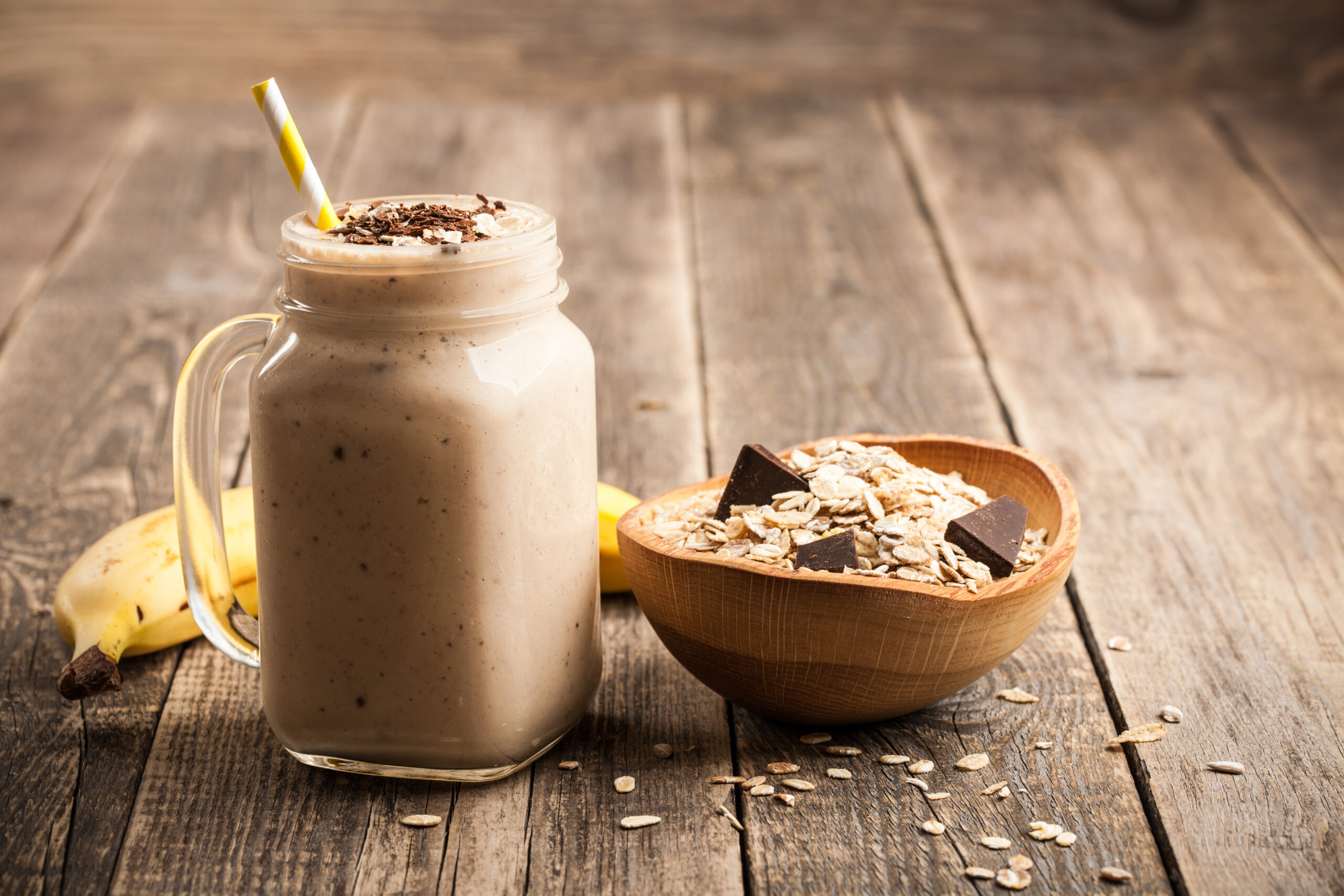
You can bake them into oat bread or protein muffins, blend cooked oats into smoothies for sustained carbs, or prep overnight oats for grab-and-go meals that hit your macros perfectly.
Batch-cook them ahead of time, portion into containers, and store them in the fridge for easy weekday meals.
HOW TO USE OATS FOR YOUR GOALS
Oats are one of the most versatile foods you can use to support training. Their structure as a slow-digesting carbohydrate with fiber, micronutrients, and a mild amino acid profile gives them the flexibility to fit almost any goal.
Whether you’re eating before a workout, rebuilding after one, or managing energy and hunger on rest days, oats give you a great base to build on.
Here’s how you can incorporate oats into your daily meal plan to support your goals:
PRE-WORKOUT
Before training, the goal is simple: fuel the workout without compromising digestion. Oats shine here because of their moderate glycemic load.
They digest slowly enough to avoid blood sugar spikes but fast enough to provide usable glucose when you need it.
The result is smooth, sustained energy without the crash that comes from sugary pre-workout meals or snacks.
The fiber, particularly beta-glucan, slows gastric emptying just enough to keep blood sugar steady while maintaining endurance.
Compared to white rice or toast, oats give you a longer-lasting fuel curve and better focus during long or high-volume sessions.
A pre-workout bowl 60 to 90 minutes before training can include:
- ½ cup rolled oats
- 1 tsp nut butter for sustained fats
- ½ banana for quick-digesting carbs
- Optional: 1 scoop protein powder to stabilize blood sugar
This gives you a mix of slow and fast fuel: quick glucose for the start of your session, sustained carbs for the finish, and enough amino acids to keep muscle breakdown in check.
POST-WORKOUT
Once training is over, your priorities flip. Now the body wants to replenish glycogen and repair muscle tissue.
Oats fit perfectly here because they provide the type of carbohydrates that refill glycogen gradually and efficiently without triggering an insulin spike that can lead to a crash.
More importantly, when oats are combined with protein like whey isolate, casein, or Greek yogurt, you create a recovery synergy.
Research consistently shows that the combination of carbs and protein post-workout results in higher rates of muscle protein synthesis than protein alone.
The carbs increase insulin levels just enough to drive amino acids into the muscle, while the protein supplies the raw materials for repair.
An ideal post-workout combo:
- ½ cup oats cooked in milk or water
- 1 scoop whey protein stirred in after cooking
- ½ banana or drizzle of honey for glycogen restoration
- (Note: You can eat this as a meal, but this also makes great protein shakes.)
This simple pairing triggers recovery faster, replenishes energy, and supports lean mass development without excess sugar or unnecessary calories.
MUSCLE BUILDING
When the goal is size and strength, oats can become one of your best breakfast options or pre-training anchors.
Muscle growth depends on maintaining a positive nitrogen balance, essentially keeping the rate of muscle protein synthesis higher than muscle breakdown.
Oats help because their carbs fuel longer workouts and reduce fatigue, allowing you to push harder and recover better.
Pairing oats with a complete protein source amplifies that effect.
The carbs from oats increase insulin sensitivity, helping deliver amino acids into muscle cells, while the protein provides the leucine and lysine oats lack on their own.
Together, they create the hormonal and nutritional environment needed for growth.
A muscle-building bowl might look like this:
- ½ cup oats
- 1 scoop whey or casein protein
- 1 tbsp nut butter
- 1 cup milk or soy milk
- ½ banana or handful of berries
You’ll get 35 to 40 grams of protein, complex carbs, and healthy fats, which is enough to keep protein synthesis elevated for several hours and maintain training intensity throughout the day.
FAT LOSS
For fat loss, oats offer a key advantage: they sustain fullness. Their beta-glucan fiber and resistant starches slow digestion, regulate hunger hormones, and blunt appetite for hours.
That’s crucial during calorie deficits when energy dips and cravings rise.
Oats also stabilize energy levels and that means no blood sugar spikes, no midmorning crash. This makes them one of the few carb sources that support consistent fat-burning throughout the day.
Pairing them with lean protein helps preserve muscle mass while staying in a deficit.
Here’s an example of a great fat-loss meal:
- ½ cup oats cooked in water or almond milk
- 1 scoop protein powder (whey or plant-based)
- Cinnamon, cocoa, or a few berries for flavor
This meal digests slowly, keeps you satisfied, and delivers just enough carbs to support light training without slowing fat loss.
PERFORMANCE AND ENDURANCE
Endurance and high-volume training require a steady carbohydrate supply, not the short bursts that come from refined sugars.
Oats are built for this since they release glucose gradually, supporting consistent effort over long sessions.
Their fiber content helps stabilize blood sugar, while micronutrients like iron and magnesium support oxygen delivery and muscle contraction.
Pre-event, a moderate serving of oats with protein and fruit provides steady energy for hours. For endurance athletes, oats also help manage inflammation post-training, thanks to their antioxidant and polyphenol content.
For performance nutrition, oats give you the cleanest, most stable carb base available since there’s no bloating, no energy crashes, and no digestive disruption.
RECOVERY
Recovery isn’t just about the hour after training. It encompasses the full 24-hour cycle. Oats play a role here too.
Their slow-release carbs restore glycogen over time, while their magnesium, zinc, and antioxidants reduce inflammation and muscle soreness.
Overnight oats with casein or Greek yogurt are especially effective because they keep amino acids circulating while you sleep, sustaining recovery all night long.
Adding chia seeds or walnuts provides additional fats to slow digestion even more, preventing the nighttime hunger spikes that can interfere with rest.
Example of a recovery-focused meal:
- ½ cup oats
- ¾ cup Greek yogurt
- 1 tbsp chia seeds
- ¼ cup berries
- Splash of almond or soy milk
This blend supports muscle repair, stabilizes blood sugar, and keeps energy balanced until the next day, making oats a recovery tool, not just a breakfast staple.
DON’T MAKE THESE MISTAKES
Oats are one of the most consistent foods you’ll find in fitness diets because they’re simple, versatile, and genuinely healthy.
But that “clean” reputation can lead people to use them wrong, turning an ideal foundation into an unbalanced meal that doesn’t support their training goals.
Here’s where most lifters go off track:
TREATING OATS LIKE A PROTEIN BREAKFAST
Yes, oats contain protein but not enough, and not the right kind. The average serving has about five grams, and it lacks the full amino acid profile needed to stimulate muscle repair.
Starting your day with just oats and calling it “high-protein” is like showing up to the gym, warming up, and then leaving before your first working set.
If your breakfast doesn’t include a complete protein source, you miss that post-sleep muscle-building window when your body is primed to absorb nutrients.
Add something that fills in the amino acid gaps such as whey or casein protein powder, Greek yogurt, or even egg whites.
The carbs and fiber in oats make a great delivery system for those proteins, but they can’t replace them.
Without that pairing, you’re just getting a carb-heavy meal that spikes insulin without sending the “build” signal your muscles need.
OVERLOADING NUT BUTTERS
Nut butters are one of the most deceptive healthy foods out there. They taste amazing, they’re full of good fats, and they seem harmless until you realize how easy it is to overdo it.
One heaping spoon becomes two, then three, and suddenly you’ve turned a 350-calorie breakfast into a 700-calorie one.
For some folks that might be fine, but for most lifters trying to stay lean, that’s too much hidden fat.
You can get all the flavor and texture without the calorie overload by using powdered peanut butter or measured portions of almond butter.
The goal isn’t to avoid fats, but you should be keeping a close eye on how much of it you’re consuming.
EATING SUGAR-LOADED OATMEAL
Instant oatmeal is where a lot of people start their fitness breakfast journey. That includes me too.
I switched from sugary cereals like Trix and Lucky Charms to instant oatmeal because every bodybuilding magazine seemed to show the same thing: guys eating oatmeal in the morning.
The intention was good, but the execution was off.
I used a really popular brand, and my favorite flavor was maple brown sugar. Unfortunately, it had 28 grams of sugar per serving.
So, yes, it was technically oatmeal, but not the right kind. It was basically a rebranded dessert.
The difference came when I switched to plain old-fashioned oats. The change was huge. My energy stabilized because without the sugar spike, my usual morning crash disappeared. Also, the muscle cramping caused by low magnesium dropped off.
The lesson here is that convenience can cost you. Instant flavored oats spike blood sugar, drive hunger back up in a few hours, and rob you of steady energy.
Now, with that said, I get it. Instant oats are really convenient. If you prefer them (for now), look for low-sugar options.
Eventually, I’d recommend that you skip the pre-flavored packets. Go with old-fashioned or steel-cut oats and flavor them yourself. You’ll get the same convenience with none of the crash.
SKIPPING THE PROTEIN ADDITION
Oats alone are fine before a workout, but post-workout, you need more. Specifically, you need protein.
After training, your muscles are begging for amino acids to rebuild. That “anabolic window” may not slam shut after 30 minutes, but it’s still arguably the period when your body is most receptive to nutrients.
If you finish your workout and eat just a bowl of oats, you’re missing the opportunity to maximize muscle protein synthesis.
You’ll replenish glycogen, sure, but you won’t trigger muscle repair.
The fix is to pair your oats with a complete protein, preferably a fast-digesting protein supplement like whey isolate.
The carbs from the oats help shuttle those amino acids into muscle cells more efficiently, speeding up recovery and growth.
Smart nutrition isn’t about cutting foods. It’s about using them better.
Oats can either slow your progress or power your performance, but it depends on what you add to the bowl.
Eat smart and it becomes a meal that works as hard as you do.
Check out our complete line of ATHLEAN-RX Supplements and find the best training program for you based on your fitness level and goals.

- Oatmeal has protein but not much. A ½-cup dry serving packs only ~5 grams, and it’s incomplete in key amino acids like leucine and lysine that trigger muscle growth.
- Different oats provide different digestion speeds. Steel-cut oats digest slowly for long-lasting energy, while instant oats digest quickly but can spike blood sugar.
- Oats are great for overall health, but not muscle. Their beta-glucan fiber supports heart health, stable blood sugar, and gut balance.
- Protein quality matters more than quantity. Oat protein lacks the full amino acid profile needed for muscle repair. You can combine it with a complete protein source to fix that.
- Some of the best additions for oats include eggs, turkey, tofu, milk, and whey protein. They fill in the amino acid gaps and turn oats into a balanced, performance-ready meal.
- Avoid the sugar trap and skip instant packets loaded with sweeteners. Instead, opt for plain rolled or steel-cut oats and flavor them yourself.
- Watch your toppings. Overdoing nut butters or syrups can double your calories fast, so keep portions tight.
DOES OATMEAL HAVE PROTEIN FAQ
Oatmeal has some protein, but it’s not a good source if your goal is muscle growth or recovery.
A half-cup serving gives you about 5 grams of protein, but it lacks essential amino acids like leucine and lysine that trigger muscle protein synthesis.
For comparison, one scoop of whey protein has around 20 to 25 grams, and even a cup of Greek yogurt delivers 15 to 20 grams of complete protein.
That doesn’t mean oats are useless. They’re an excellent carb base with fiber, magnesium, and beta-glucans that support energy, blood sugar control, and digestion.
The trick is pairing them with a high-quality protein source, so your body has the full amino acid profile needed to build and repair muscle.
Yes, oatmeal does contain protein but it’s not enough to stand on its own. Each serving has roughly five grams, and while that’s more than most carb-heavy foods, the protein quality matters more than the number.
Oat protein isn’t complete, meaning it doesn’t have the full range of essential amino acids your muscles require after training.
That’s why oats work best as a starting point, not a standalone solution.
Think of them like the frame of a house. You still need the structure (protein) and wiring (fats and micronutrients) to make it livable.
When you mix oats with something like protein powder, you’re turning that base into a meal that fuels both energy and muscle recovery.
Oats are versatile, but there’s a point where people turn a performance food into dessert.
The biggest offenders? Sugar-loaded instant packets, excessive maple syrup or honey, and too much nut butter. Those toppings spike blood sugar, overload calories, and sabotage your macros before the day even starts.
Stick with clean flavor and function. Use cinnamon, cocoa powder, vanilla extract, or berries instead.
Also, skip heavy fats like large spoonfuls of peanut butter before a workout since fat slows digestion and can make you sluggish during training.
Keep your pre-workout oats light and balanced so the carbs can fuel your session instead of sitting in your stomach.
The easiest way to make oats muscle-friendly is to build them around a complete protein.
While they are convenient, you don’t need to rely solely only on whey or casein powders because there are plenty of whole-food options that work just as well.
Try stirring in egg whites while cooking for a fluffy texture and 10 to 15 grams of extra protein.
You can also mix in smoked salmon or cooked turkey slices if you want a savory version. It might sound odd, but the balance of carbs, protein, and sodium is perfect after training.
Tofu crumbles, seitan, or tempeh work well for plant-based diets and can easily turn oatmeal into a full meal without losing texture or taste.
Once the protein base is covered, adjust the rest to your goal.
If you’re leaning out, go lighter on fats and get flavor from spices, unsweetened cocoa, or fruit.
If you’re a hardgainer or someone who finds it difficult to build muscle, add nutrient-dense calories with nut butter, chia seeds, or a splash of whole milk.
The idea is to use oatmeal to match your current training goals, just like you’d adjust your workout split for different goals.
Not as much as most people think. A regular serving of oatmeal, about a half cup of dry oats, has around five grams of protein.
That’s better than most cereals, but nowhere near what you need to build or repair muscle.
You’d need about five bowls of oatmeal to equal the protein in one chicken breast and that’s before the carbs start piling up.
Here’s how to think of it: oatmeal is your fuel, not your foundation.
It gives you steady energy, keeps blood sugar stable, and helps you feel full but it’s not the thing that rebuilds your muscles after training.
To fix that, combine it with something that carries real protein weight: eggs, turkey sausage, a scoop of collagen blend, or even a couple ounces of leftover chicken.
Jeff Cavaliere M.S.P.T, CSCS
Jeff Cavaliere is a Physical Therapist, Strength Coach and creator of the ATHLEAN-X Training Programs and ATHLEAN-Rx Supplements. He has a Masters in Physical Therapy (MSPT) and has worked as Head Physical Therapist for the New York Mets, as well as training many elite professional athletes in Major League Baseball, NFL, MMA and professional wrestling. His programs produce “next level” achievements in muscle size, strength and performance for professional athletes and anyone looking to build a muscular athletic physique.